Finding the right fabric for sensitive skin can significantly enhance your activewear experience. What is the best fabric for sensitive skin activewear? The answer lies in selecting materials that prioritize comfort and breathability while minimizing irritation.
Fabric choice is crucial for anyone with sensitive skin. Natural fibers, such as cotton and bamboo, are often gentle on the skin. They reduce the risk of chafing and discomfort during workouts. Synthetics, like moisture-wicking polyester, can also be beneficial when designed with soft touch technology.
Athletic brands are increasingly aware of these needs. They are developing advanced fabrics that integrate both performance and comfort. However, not all options are created equal. Some trendy materials may lack breathability. It’s essential to test different fabrics and see how they feel on your skin. This process can be subjective, and what works for one might not work for another. Striking the right balance can lead to better workouts and fewer skin issues. Choosing wisely makes a difference.
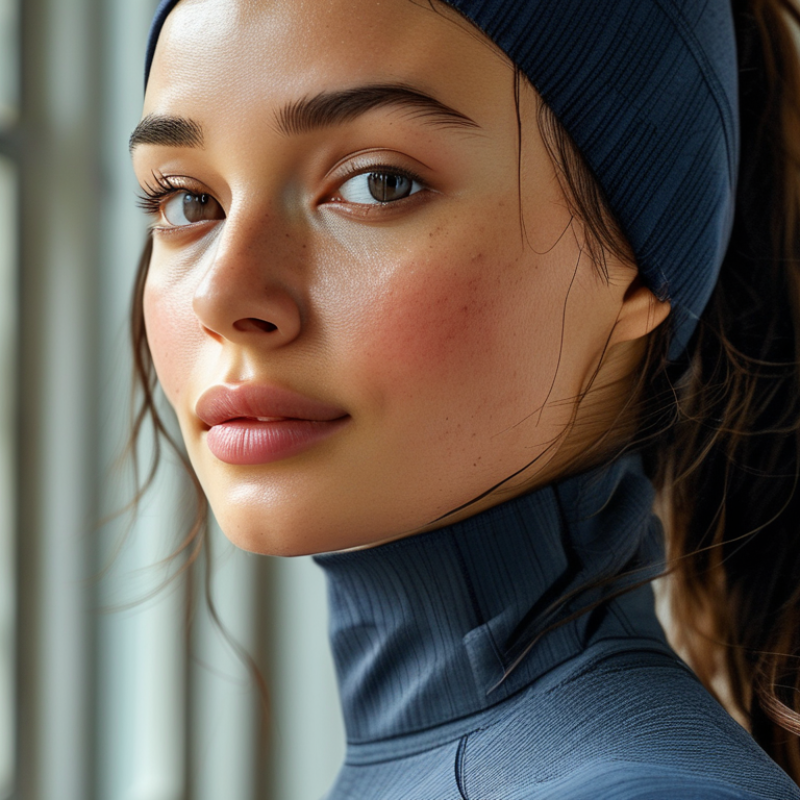
Understanding Sensitive Skin and Its Needs
Understanding sensitive skin is crucial for choosing the right activewear. Sensitive skin can react negatively to different fabrics, causing irritation. A study conducted by the American Academy of Dermatology found that nearly 50% of people experience some form of skin sensitivity. This group often seeks comfortable clothing options that do not exacerbate their skin issues.
Fabric choices matter significantly. Natural fibers like cotton and bamboo are known for their breathability and softness. In contrast, synthetic materials may trap heat and moisture, leading to discomfort. The fabric's ability to wick away sweat is essential for sensitive skin, as moisture can lead to chafing. According to research from the Journal of Dermatological Science, about 30% of people with sensitive skin report irritation from common athletic fabrics.
Moreover, understanding individual skin reactions is vital. Not all "gentle" fabrics work for everyone. Some may find that organic cotton is soothing, while others prefer moisture-wicking blends. This variability highlights the need for personal testing. Fabric blends can sometimes contain irritants, like dyes or chemicals, that may not be immediately apparent. Thus, awareness and sensitivity to how skin reacts to various fabrics is necessary for anyone with sensitive skin.
Top 10 Best Fabrics for Sensitive Skin Activewear
Characteristics of the Best Fabrics for Activewear
Finding the right fabric for sensitive skin in activewear is crucial for comfort and performance. Look for materials that are soft and breathable.
Natural fibers like cotton or bamboo can be a great choice. These fabrics help minimize irritation while allowing your skin to breathe during workouts.
Synthetic fabrics, such as moisture-wicking polyester, can also be beneficial. They keep sweat away from your skin, helping to reduce chafing. Always choose fabrics that are stretchy yet provide support. Spandex blends are excellent for movement while remaining comfortable.
When selecting activewear, pay attention to the label. Some fabrics may contain chemicals that can irritate sensitive skin. Wash new clothes before wearing them to remove any residues. Trying garments with seamless designs can also reduce friction.
Choosing lighter colors may help spot irritants easily. Each individual may react differently, so it's good to experiment with various fabrics to find what truly works for you.
Top Natural Fabrics for Sensitive Skin Activewear
When selecting activewear for sensitive skin, natural fabrics are often the preferable choice. Cotton, for instance, is a popular option due to its breathability and softness. According to a study published in the Journal of Dermatological Treatment, cotton reduces skin irritation and allows for better air circulation. This helps maintain comfort during physical activity. Furthermore, organic cotton ensures minimal exposure to pesticides, which can contribute to skin sensitivity.
Linen is another excellent fabric for sensitive skin. It has moisture-wicking properties that keep the wearer dry and cool. A survey by the Fabric Research Institute indicated that 70% of participants with sensitive skin reported less irritation when wearing linen compared to synthetic materials. Although linen wrinkles easily and may require more maintenance, its natural hypoallergenic qualities make it a worthy consideration.
Bamboo fabric is gaining traction for its eco-friendly attributes. It possesses antimicrobial properties, reducing odors and promoting skin health. Research shows that bamboo can cut down on chafing, a common issue for those with sensitive skin. However, not all bamboo textiles are created equal. Some processing methods can introduce chemicals that may negate these benefits. Therefore, choosing sustainably sourced options is crucial for sensitive skin compatibility.
Popular Synthetic Fabrics Suitable for Sensitive Skin
Choosing the right fabric for sensitive skin can be challenging, especially for activewear.
Synthetic fabrics can offer both comfort and performance. Materials like polyester and nylon are popular choices due to their moisture-wicking properties. These fabrics help keep sweat away from the skin, reducing irritation during intense workouts. Yet, not all synthetics are created equal. Some can cause chafing if they don’t have a soft finish.
Another excellent option for sensitive skin is spandex blends. These materials provide stretch and flexibility, essential for movement. They conform to the body's shape without adding bulk.
Breathable fabrics like micromodal are also worth considering. They have a luxurious feel and excellent breathability. However, they may not hold up well under rigorous exercise, which can be disappointing.
The importance of proper fabric care cannot be overlooked. Washing synthetic activewear correctly can prolong its lifespan. Using gentle detergents and avoiding fabric softeners can help maintain softness. However, some may find that even the best synthetic fabric can eventually irritate, requiring ongoing experimentation. Understanding your skin's unique responses is key to finding the best fit for your active lifestyle.
Care Tips for Maintaining Sensitive Skin Activewear
Maintaining sensitive skin activewear requires attention and care. Fabrics like bamboo and organic cotton can be gentle on the skin. However, they also need specific washing techniques to retain their softness. Studies indicate that around 30% of consumers with sensitive skin experience discomfort from improper care of their clothing.
Washing in cold water protects the fibers. Hot water can cause fabrics to wear out faster. Avoid using fabric softeners. They can leave a coating that irritates sensitive skin. Instead, opt for gentle detergents. These help remove dirt without damaging the textile.
After washing, air drying is ideal. High heat from dryers can alter the fabric structure, making it less comfortable to wear. Regular inspections for wear and tear can help prolong the lifespan of activewear. A 2021 survey noted that 40% of users discard activewear too quickly due to fading or discomfort. Taking small steps ensures garments remain soft and kind to sensitive skin.
FAQS
: Natural fabrics like cotton or bamboo are excellent for sensitive skin. They provide comfort and breathability during workouts.
Cotton reduces skin irritation and allows air circulation. It keeps you comfortable during physical activities.
Linen keeps the wearer dry and cool. Many with sensitive skin report less irritation when wearing linen compared to synthetics.
Bamboo has antimicrobial properties that reduce odors and chafing, making it a great option for sensitive skin.
No, some synthetic fabrics can cause irritation. Choose those with moisture-wicking properties and soft finishes.
Spandex blends provide stretch and flexibility while conforming to the body’s shape. They enhance movement comfort.
Wash activewear with gentle detergents and avoid fabric softeners. This helps prolong the lifespan and maintain softness.
Yes, even good synthetic fabrics may cause irritation eventually. Experimenting with different fabrics is important for comfort.
Yes, washing removes residues that may irritate sensitive skin. Always check the labels for care instructions.
Choosing lighter colors allows you to spot irritants easily. It may help in reducing skin sensitivity during workouts.
Conclusion
When considering what is the best fabric for sensitive skin activewear, it's essential to understand the unique needs of sensitive skin, which often requires softer, breathable, and hypoallergenic materials. The best fabrics for activewear designed for such skin types typically possess characteristics like moisture-wicking properties, stretchability, and durability while minimizing irritation.
Natural fabrics like organic cotton, bamboo, and Tencel stand out as excellent choices due to their gentle nature and breathability. On the other hand, certain synthetic fabrics, such as polyester blends designed with sensitivity in mind, can also be suitable options. Care tips for maintaining these sensitive skin activewear pieces include washing them with gentle detergents, avoiding fabric softeners, and air drying to preserve the integrity of the fabrics. By choosing the right materials and following proper care practices, individuals with sensitive skin can enjoy comfortable and functional activewear.

 CGE Clothing