7 Best Tips for Choosing a High Impact Sports Bra?

Time:2026-10-27 Author:Madeline
0%

Choosing a high-impact sports bra is not a minor clothing decision. It can shape comfort, confidence, and movement quality during running, HIIT, boxing, or court sports. The University of Portsmouth’s Breast Health Research Group reports that breast movement can reach several centimetres during exercise. Its research also links inadequate support with discomfort, breast pain, and altered movement patterns.

“Breasts are not supported by any muscles, so the only way to support them is through an external garment,” says Dr Joanna Scurr, a leading breast biomechanics researcher at the University of Portsmouth. Her statement explains why fabric softness alone is not enough. A bra may feel comfortable in the fitting room, yet shift painfully after twenty minutes of jumping. That detail matters.

Recent sportswear market reports from Research and Markets and Grand View Research show continued demand for performance-focused activewear, including supportive sports bras. However, market growth does not guarantee a perfect fit. That is where how to choose the right sports bra for high impact workouts becomes practical, not promotional. Look for firm encapsulation, adjustable straps, a stable underband, breathable materials, and coverage that prevents uncomfortable bounce.

Try it dynamically.

Run in place. Raise your arms. Bend forward. Notice pressure beneath the bust and movement at the straps. A small gap may become a serious distraction later. Still, no checklist replaces personal testing. Body shape, breast size, shoulder structure, and activity intensity all change the experience. Even expert guidance needs a reality check: the best bra is the one that supports your movement without making breathing feel restricted.
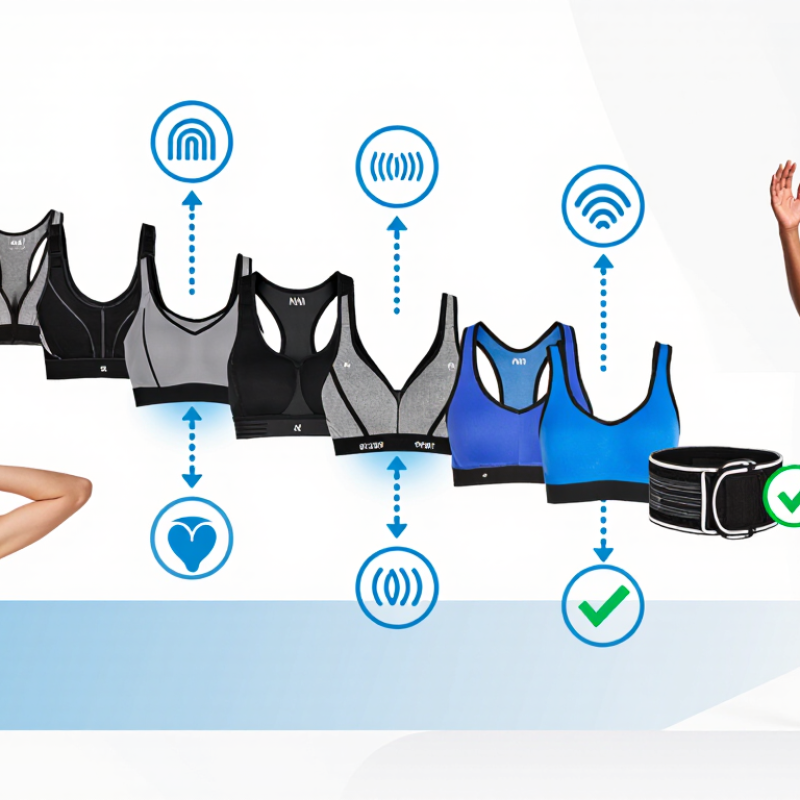
7 Best Tips for Choosing a High Impact Sports Bra?

Define Your Support Needs by Sport Intensity and Movement

Choosing a high-impact sports bra starts with your movement, not the label on the shelf. Running, court sports, and jump training create repeated vertical force. They usually need a firm band, structured cups, and straps that stay flat. For cycling or strength training, movement may be lower impact but highly directional. A bra with flexible fabric and separate support zones can reduce digging during bends and reaches. Yet maximum support is not automatically better. An overly tight band can restrict breathing and leave red marks after a short session.

In practice, I test a bra with small hops, arm swings, and deep squats before buying. The lower band should feel secure without riding upward. The cups should hold tissue without spilling or creating empty pockets. Adjustable straps help, but they cannot fix an unsuitable band or cup shape. Sweat management also matters because damp fabric can increase rubbing around the ribs and underarms. I have sometimes chosen a snug fit that felt reassuring, then regretted it halfway through training. That mistake taught me to judge support after movement, not while standing still. Check seams, fasteners, and fabric recovery, especially if you train several times weekly. Replace the bra when the band stretches, bounce increases, or the fabric stays loose after washing.

Measure Your Band and Cup Size for a Secure, Accurate Fit

7 Best Tips for Choosing a High Impact Sports Bra?

Measure your band and cup size before choosing a high impact sports bra. Wear a thin, non-padded bra, or measure without one. Keep the tape level around your ribcage, directly under your breasts. Pull it snugly, but do not hold your breath. Record the measurement after a normal exhale. For cup size, measure around the fullest part of your breasts. Keep the tape parallel to the floor. The difference between these measurements offers a useful starting point, though sizing charts can vary between manufacturers.

1

Tip 1: Check the band during movement.

It should feel firm without restricting your breathing. Raise your arms, bend forward, and jog briefly. The band should remain level against your back. If it rides upward, it may be too loose. If it digs sharply, try a larger band or a different structure.

2

Tip 2: Look for complete cup coverage and smooth support.

Your breasts should not spill over the top, sides, or center. Adjustable straps should stay secure without carrying all the pressure. I once tightened straps too much and mistook discomfort for support. That was poor judgment. A proper fit should reduce movement while still allowing deep, natural breaths. Try the bra with your usual workout clothing, because fabric layers can change how it feels.

Choose Breathable, Sweat-Wicking Materials for Active Comfort

When choosing a high impact sports bra, start with the fabric against your skin. During running or circuit training, breathable materials help heat escape through the panels. Sweat-wicking fibers move moisture away from the body, allowing it to evaporate faster. Nylon or polyester blends with elastane often provide a practical balance of stretch, durability, and support.

Look for mesh sections near the upper back, sides, or underbust. These areas can become noticeably warm during intense movement. Wide, soft straps may reduce pressure, while flat seams help prevent rubbing during long sessions. However, a thin fabric is not automatically more breathable. A poorly designed lining can still hold sweat against your skin.

Test the bra with movement.

I once chose a very supportive style that felt comfortable in a fitting room. After twenty minutes of running, the damp band became irritating. That experience changed how I judge activewear. I now lift my arms, twist, jog in place, and check whether the fabric dries quickly. The underband should feel secure without restricting deep breathing. If sweat remains trapped after exercise, consider a lighter lining or more open ventilation. Wash the garment according to its care instructions, because heat and harsh detergents can damage stretch fibers over time. A small amount of lingering odor may also signal that the fabric needs gentler washing, not stronger fragrance.

7 Best Tips for Choosing a High Impact Sports Bra? - Choose Breathable, Sweat-Wicking Materials for Active Comfort

Tip What to Look For Useful Material or Design Detail Why It Matters for High-Impact Activity Quick Fit or Care Check
1. Prioritize moisture management Choose a fabric that moves perspiration away from the skin and dries efficiently. Polyester or nylon blends with a wicking knit or engineered inner surface. A drier skin surface can reduce clamminess, chafing, and discomfort during running, court sports, and interval training. After washing, avoid fabric softener because it can coat fibers and reduce wicking performance.
2. Select breathable construction Look for ventilation in high-heat areas without sacrificing coverage. Mesh panels or perforated fabric at the back, neckline, or underbust area. Airflow helps heat and moisture escape, especially during prolonged or vigorous exercise. Hold the material toward a light source; an open knit generally allows more airflow than a dense, laminated layer.
3. Check support architecture Choose a design that controls movement through compression, encapsulation, or both. Structured cups, supportive panels, a stable underband, and wide adjustable straps. High-impact movement creates repeated vertical and lateral motion; targeted support helps limit unwanted movement. Jog, jump, and swing your arms while trying it on. Your breasts should feel supported without painful pressure.
4. Match stretch with recovery The fabric should stretch for movement and return to shape after repeated use. A blend containing elastane or spandex, commonly combined with nylon or polyester. Good recovery helps maintain compression and fit instead of allowing the bra to loosen during a workout. Gently stretch the band and straps, then release them. They should return smoothly without rippling or staying elongated.
5. Evaluate the underband Find a firm, level band that remains in place without digging into the ribs. A wide elastic band with a smooth, soft finish and secure stitching. The underband provides much of the garment’s anchoring, helping prevent upward movement during jumps and sprints. You should be able to slide two fingers under the band, but it should not ride up when you raise your arms.
6. Reduce friction and irritation Inspect seams, edges, closures, and fabric texture before exercising. Flatlock seams, bonded edges, covered elastics, and smooth moisture-wicking fabric. Reducing raised seams and rough edges can help limit rubbing when sweat and repetitive movement are present. Wear the bra for several minutes and move naturally. Check the underarm, shoulder, and underbust areas for pressure points.
7. Confirm fit, coverage, and durability Use the size guide and select enough coverage for your activity and body shape. Secure neckline and armholes, opaque fabric, reinforced stitching, and care instructions suitable for frequent washing. A stable fit helps prevent shifting and exposure, while durable construction supports repeated training and laundering. Check for spillage, gaping, strap slippage, or restricted breathing. Wash according to the care label and air-dry when recommended.

Practical rule: For high-impact exercise, prioritize a secure underband, effective movement control, breathable moisture-wicking materials, and a fit that remains comfortable through repeated jumping and running.

Evaluate Straps, Adjustability, and Encapsulation Design

7 Best Tips for Choosing a High Impact Sports Bra?

Evaluate Straps, Adjustability, and Encapsulation Design

A high impact sports bra should keep movement controlled without making breathing feel restricted. Start with the straps. Wide, padded straps often reduce pressure during running or jumping. They should stay flat against your shoulders, not slide toward your neck. Try raising both arms and twisting your torso. If the straps shift, the fit may be unstable.

Adjustability matters because bodies change during training, temperature changes, and monthly cycles. A bra with several hook positions can provide a more precise band fit. Adjust the straps while wearing a thin workout top, not a bulky sweatshirt. The band should feel firm around your ribs, but you should still slide two fingers underneath. I once chose a tighter setting for extra support and regretted it after twenty minutes.

Encapsulation design separates and supports each breast instead of pressing everything into one shape. This can improve comfort during repeated, high-impact movement. Look for molded or structured cups that contain tissue without spilling near the neckline or underarms. Bend forward, jog in place, and check for wrinkled cups. Small wrinkles may signal empty space, while bulging suggests insufficient coverage. Personal testing remains essential; even careful measurements can miss differences in shape, posture, and movement.

Test Stability, Range of Motion, and Long-Term Wearability

7 Best Tips for Choosing a High Impact Sports Bra?

Test Stability, Range of Motion, and Long-Term Wearability

Begin with a realistic movement test, not a mirror check. Jog, jump, bend, and swing your arms for several minutes. The band should stay level and firm without restricting breathing. Straps should remain in place, but they should not dig into your shoulders. Check whether the cups contain breast tissue during side-to-side movement. Small gaps or spilling usually signal poor support.

Raise both arms overhead, then rotate your torso slowly. A suitable bra should allow full movement without riding upward. Try a few deep breaths after exercising. If the fabric feels tight around your ribs, reconsider the size or structure.

I once chose a bra that felt impressively secure in a fitting room. After twenty minutes, the lower band became painful. That experience changed how I judge support.

Long-term comfort needs a practical trial. Wear the bra around your home for an hour, preferably with normal movement. Notice heat, rubbing, trapped moisture, and pressure points. Wider straps and smooth seams often reduce irritation during longer sessions. Check the care label before washing it repeatedly. Elastic can weaken when exposed to high heat. A qualified fitter or physiotherapist can help assess unusual pain or persistent movement. No test is perfect. Your body may respond differently after several training sessions.

FAQS

How should I measure my band size?

Wear a thin, non-padded bra or measure without one. Wrap the tape under your breasts. Keep it level and snug. Exhale normally before recording the measurement.

How can I estimate my cup size?

Measure around the fullest part of your breasts. Keep the tape parallel to the floor. Compare both measurements. The difference gives a starting point, but sizing charts can vary.

How should the band feel during exercise?

It should feel firm without restricting breathing. Raise your arms, bend forward, and jog briefly. The band should stay level across your back. If it rides up, try a smaller band.

What does complete cup coverage look like?

Breast tissue should not spill over the top, sides, or center. The cups should look smooth under your workout clothing. Bulging suggests insufficient coverage. Wrinkles may indicate empty space.

How can I test the straps?

Raise both arms and twist your torso. The straps should stay flat on your shoulders. Wide, padded straps may reduce pressure during running or jumping. Straps should not slide toward your neck.

How tight should adjustable straps and hooks be?

Adjust them while wearing a thin workout top. The band should feel firm, with space for two fingers underneath. Do not tighten everything aggressively. I once did that and regretted it after twenty minutes.

What is the benefit of an encapsulation design?

It supports each breast separately instead of pressing everything into one shape. Structured cups can improve comfort during repeated movement. Check the neckline and underarms for gaps or spilling.

When should I test the sports bra?

Test it with your usual workout clothing. Jog in place, bend forward, and twist your torso. Notice breathing, shifting straps, cup wrinkles, and band movement. Measurements help, but they are not perfect.

Conclusion

Choosing the right high-impact sports bra starts with understanding how your body moves and what level of support your activity requires. To learn how to choose the right sports bra for high impact workouts, consider the intensity and movement involved in running, jumping, or interval training. Measure your band and cup size accurately, then look for a snug fit that holds everything securely without restricting breathing. Breathable, sweat-wicking fabrics can help maintain comfort and reduce irritation during demanding sessions.

Pay close attention to adjustable straps, a stable band, and the bra’s overall construction. Encapsulation designs can provide individual support, while well-structured compression may help minimize movement. Before committing, test the bra through a full range of motion, including stretching, bending, and jumping. A high-quality option should remain secure, comfortable, and supportive over time, allowing you to focus on performance rather than constant adjustments.

Madeline

Madeline

Madeline is a dedicated marketing professional with a wealth of expertise in our company's core offerings. With a keen understanding of the industry, she brings a unique perspective to her role, consistently delivering high-quality content that highlights the superior aspects of our products. As......