10 Best Tips for Layering Clothing for Outdoor Winter Running?

Time:2026-08-20 Author:Ethan
0%

Heading out for a winter run can be daunting. Cold temperatures and biting winds test your resolve. Knowing how to layer clothing for outdoor winter running is essential for comfort and performance. The right layers not only keep you warm but also help regulate your body temperature. A well-thought-out outfit can transform your experience from dread to delight.

When it comes to layering, first prioritize your base layer. It should wick moisture away from your skin. A good base keeps you dry, preventing the chill of sweat. Next, consider insulative layers that offer warmth without bulk. Too much bulk can restrict movement, which is not ideal for running. It’s crucial to maintain flexibility while staying cozy.

Finally, top it off with a weather-resistant outer layer. This layer protects against wind and precipitation. Choose items that fit well to avoid unnecessary distractions. Remember, layering is often a trial-and-error process. You might find certain combinations ineffective at first. Embrace the learning curve and adjust your gear based on your experience. A thoughtful approach to layering leads to enjoyable winter runs.
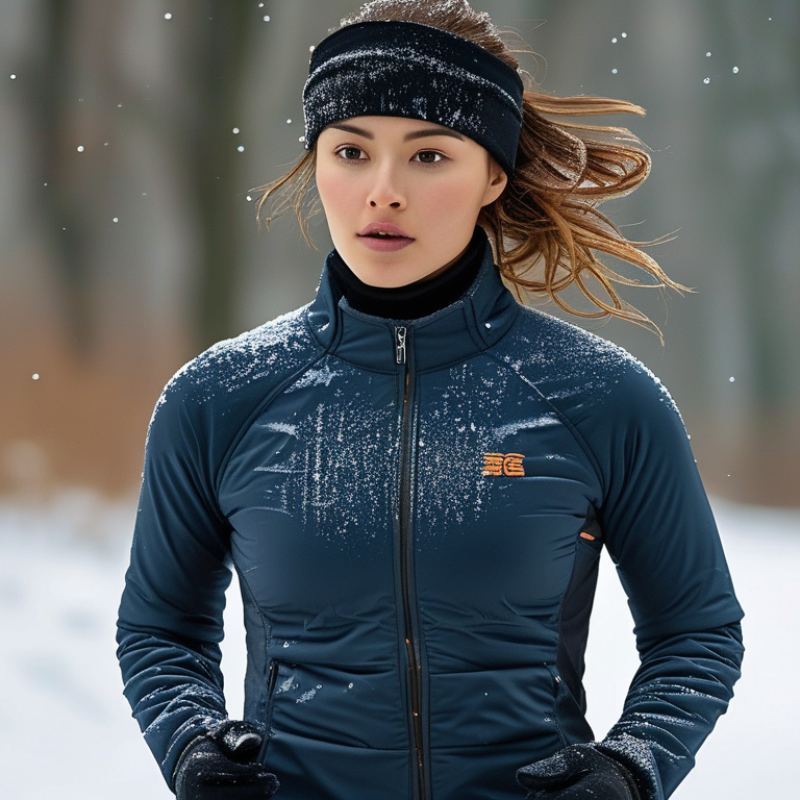
10 Best Tips for Layering Clothing for Outdoor Winter Running?

Understanding the Basics of Layering for Winter Running

Layering clothing effectively is crucial for winter running. Start with a moisture-wicking base layer. This layer should fit snugly against your skin. It helps manage sweat and keeps your body dry. Consider fabrics like merino wool or synthetic options that trap warmth without adding weight.

The middle layer serves as insulation. Fleece is a good choice and breathable. It retains heat but lets moisture escape. Carefully consider the thickness. A thicker layer can mean overheating, while too thin may not provide adequate warmth. The outer layer must protect against wind and precipitation. Look for jackets that are both windproof and water-resistant.

Reflecting on your personal comfort is essential. Everyone has different heat retention and tolerance levels. You might need to adjust your layers based on the temperature and your running intensity. Experimenting with different fabrics and fits will help you find what works best. Don’t rush—layering takes practice to master.

10 Best Tips for Layering Clothing for Outdoor Winter Running

Choosing the Right Base Layer for Moisture Management

Choosing the right base layer is crucial for outdoor winter running. A good base layer manages moisture effectively. It pulls sweat away from your skin, keeping you dry and warm. Look for fabrics that offer good moisture-wicking properties. Merino wool, for example, is a natural choice. It keeps you warm even when wet.

When considering your base layer, pay attention to fit and comfort. It should be snug but not restrictive. A loose base layer can trap moisture and make you cold. Experiment with different materials and styles to find what feels best for you. Don't hesitate to try a few different options before settling on your favorites.

Layering effectively also means incorporating mid-layers for warmth. A fleece or synthetic jacket can provide extra insulation. Make sure your outer layer is windproof and breathable. This prevents heat loss while allowing sweat to escape. Review your choices regularly, and remember that the right combination may change as temperatures fluctuate. Stay engaged with your gear and adapt as necessary.

Selecting Insulating Layers to Retain Warmth Without Bulk

When layering for outdoor winter running, selecting the right insulating layers is crucial to keep warm without adding bulk. According to research by the American College of Sports Medicine, maintaining a comfortable body temperature is essential for optimal performance. Choosing lightweight insulation materials can help athletes regulate temperature, reducing the risk of overheating during intense runs.

A study from the Journal of Sports Sciences emphasizes the importance of moisture-wicking fabrics. These materials draw sweat away from the skin, keeping you warm and dry. For instance, merino wool is often recommended due to its excellent thermal properties and breathability. It's also worth noting that conventional insulating fabrics can sometimes restrict movement. So, runners should seek flexibility along with warmth.

While layering efficiently is key, it can be challenging. Many runners tend to overpack, which may lead to discomfort. Evaluating personal comfort levels during practice runs is crucial. Finding the right balance of insulation, breathability, and mobility may require trial and error. Remember, a well-layered outfit should feel snug yet not constrictive, allowing for natural movement during your run.

The Importance of Outer Layers for Wind and Water Resistance

When it comes to outdoor winter running, outer layers are crucial for protection against the elements. Wind and water resistance should be your primary focus. A good outer layer blocks cold winds, which can sap your energy quickly. A lightweight, breathable fabric will help you maintain body heat while allowing sweat to escape. Opting for durable materials enhances your protection, but it can be hard to find the perfect balance between warmth and flexibility.

Consider layering techniques for ultimate comfort. For instance, a windproof jacket paired with a moisture-wicking base layer allows for better temperature regulation. However, not every runner gets that set-up right. It’s easy to underestimate how cold a breeze can feel. If your outer layer is too tight, it limits mobility. If it's too loose, it may allow cold air to sneak in. Testing different combinations during training runs helps in finding what truly works.

Remember that conditions can change rapidly during winter runs. A drizzle may start unexpectedly. A jacket with a reliable water-resistance rating will be essential for staying dry. Still, many runners avoid checking the weather, leading to poor choices. Keeping an eye on conditions and being adaptable in your outfit choice can enhance your performance and enjoyment of the run.

Accessorizing Smartly: Hats, Gloves, and Thermal Socks for Comfort

When it comes to outdoor winter running, accessorizing smartly can greatly enhance your comfort level. Start with a good hat. It should cover your ears while allowing for breathability. Many runners overlook this detail, but a well-fitted hat can keep heat from escaping. Choose fabric that wicks moisture away, preventing any chill from settling in.

Gloves are equally important. They need to be warm but not too bulky. You want to maintain dexterity for adjusting your gear. Investing in layered gloves can be beneficial. Thin liners can provide added insulation without sacrificing movement. Reflect on your body’s heat zones. You might find your hands feel colder than other areas, requiring special attention.

Lastly, thermal socks cannot be underestimated. Look for pairs that not only insulate but also wick moisture. Wet feet can lead to discomfort and even injury. Consider the fit; they shouldn't be too tight or too loose. Remember that running in cold weather varies per individual. Some may feel warm despite freezing temps, while others might struggle. Adjust your layers accordingly. Listen to your body for the best experience.

FAQS

: Why are outer layers important for winter running?

: Outer layers protect against wind and rain. They help maintain body heat and prevent energy loss.

How can I achieve the right balance in my outer layer?

Choose durable materials that offer warmth and flexibility. Test different fits to find what works for you.

What should I look for in a winter running jacket?

Look for windproof and water-resistant features. A lightweight, breathable fabric is essential for comfort.

How can layering improve my winter running experience?

Pair a windproof jacket with a moisture-wicking base layer for better temperature control during runs.

How can I prepare for changing weather conditions while running?

Stay adaptable with your outfit choices. Monitor weather updates to make informed decisions about your gear.

What accessories enhance comfort in cold weather running?

A good hat, warm gloves, and thermal socks are essential for staying comfortable and preventing heat loss.

How should my hat fit for winter running?

It should cover your ears and allow breathability. A suitable fabric helps wick moisture away.

Why are gloves important for winter runs?

Gloves keep your hands warm while allowing mobility for gear adjustments. Choose a thin, layered option for dexterity.

What should I consider when selecting thermal socks?

Look for moisture-wicking and insulating properties. Ensure the fit is just right—not too tight or loose.

How can personal preference affect winter running comfort?

Everyone has different comfort levels. Pay attention to your body and adjust layers based on your own needs.

Conclusion

When it comes to learning how to layer clothing for outdoor winter running, understanding the fundamental principles of layering is essential. A well-designed layering system consists of three main components: a moisture-wicking base layer, insulating layers that provide warmth without bulk, and an outer layer that protects against wind and water.

Choosing the right base layer is crucial for effective moisture management, ensuring that sweat is transported away from the skin. Insulating layers should retain heat while allowing for flexibility and movement, and they should be lightweight to prevent overheating. Lastly, don’t overlook the importance of accessories such as hats, gloves, and thermal socks, which play a vital role in maintaining overall comfort during cold-weather runs. By combining these elements thoughtfully, runners can enjoy their outdoor activities even in chilly conditions.

Ethan

Ethan

Ethan is a seasoned marketing professional with a deep expertise in our company's innovative product line. With a passion for sharing knowledge and insights, he takes the lead in regularly updating our corporate blog, where he explores industry trends, product features, and effective marketing......