2026 Top Tips How to Fix a Stuck Zipper on a Winter Coat?

Time:2026-11-10 Author:Aria
0%

A stuck zipper can turn a cold morning into a frustrating delay, especially when the coat is already on and the wind is sharp. The slider may catch on lining, struggle with packed-in grit, or stop because the teeth no longer meet evenly. Knowing how to fix a stuck zipper on a winter coat starts with one simple rule: stop pulling. Extra force can tear the fabric or bend the slider, making a small problem harder to repair. Look closely at the zipper in good light. Check for trapped threads, folded lining, missing teeth, or visible damage before trying anything.

This guide explains gentle, practical fixes you can try at home, including freeing caught fabric and cleaning the teeth. It also covers when a small amount of zipper-safe lubricant may help, and why household oils can leave stains on coat fabric. Go slowly. Test any product on a hidden area first, and follow the coat maker’s care instructions. A zipper that moves after cleaning may still fail if its slider is worn or its teeth are damaged. That part is easy to miss. If the slider is bent, teeth are missing, or the zipper repeatedly separates, a tailor or repair shop may be the safer choice. Not every zipper can be rescued with a quick trick, and that is worth remembering before a cold-weather outing.
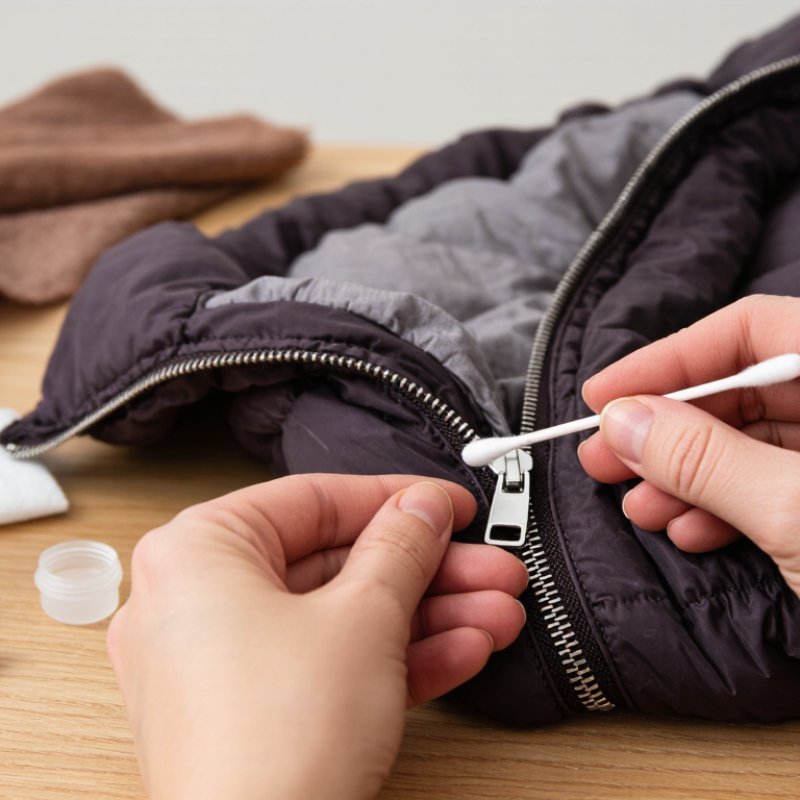
2026 Top Tips How to Fix a Stuck Zipper on a Winter Coat?

Common Causes of a Stuck Winter Coat Zipper

Common Causes of a Stuck Winter Coat Zipper

A winter-coat zipper often jams because fabric slips between the slider and teeth. Check the lining near the bottom stop and around the slider; a thin fold can catch without being obvious. It happens fast. Grit, dried mud, and ice can also block the teeth, especially after a snowy walk. If the teeth look uneven or the slider feels loose, worn or misaligned parts may be responsible. Pulling harder usually adds strain rather than solving the problem.

Cold weather is not always the culprit. A packed pocket or a coat pulled tight across the chest can keep the teeth under tension, making the slider difficult to move. ASTM International’s D2061 standard evaluates zipper strength through tests such as chain strength and slider-lock performance; it offers useful context, but it cannot identify the cause of one stuck coat. UNEP’s 2023 textile-value-chain report estimates that about 92 million tonnes of textile waste are generated globally each year. That figure is not zipper-specific, but it shows why checking a small failure before replacing a garment can matter. Still, diagnosis by sight alone can be wrong: inspect for trapped cloth, dirt, ice, and damaged teeth before deciding what has failed.

Inspect the Zipper and Prepare the Coat

Before trying to move a stuck zipper, lay the coat flat on a table and empty its pockets. Smooth the front panels so the zipper is not under tension. Use bright light to inspect the slider, teeth, and nearby fabric. Good light helps. Look for a loose thread, folded lining, grit, or a bent tooth. A snag can resemble a broken slider, so do not assume the zipper itself is damaged. I sometimes catch myself rushing this check; that is when a lining edge is easiest to miss.

Gently ease trapped fabric away with your fingers, without pulling the slider. Do not pull. Check both sides of the zipper tape, especially near the hem and collar, where bulky layers can bunch. If the coat is wet or icy, let it dry and warm indoors before inspecting it again; cold, stiff fabric can hide the snag. This check is not foolproof. Stop if teeth look bent or the slider is loose, and consider a repair professional rather than forcing it. WRAP’s 2012 Valuing Our Clothes report estimated that extending clothing’s active life by nine months could reduce its carbon, water, and waste footprints by around 20–30%. Careful inspection is a small step toward keeping a coat wearable longer.

Free Trapped Fabric Without Forcing the Slider

A stuck zipper on a winter coat often traps a fold of lining or a loose thread beside the slider. Stop pulling as soon as you feel resistance; extra force can tear the fabric or bend the teeth. Lay the coat flat on a table and use good light to see exactly where the cloth is caught. Good light helps.

Hold the slider still with one hand, without squeezing it hard. With your other hand, gently draw the trapped fabric away from the zipper, working a little at a time. Keep the cloth flat rather than tugging it upward. If the fold is tight, ease the slider back a few millimeters while maintaining light tension on the fabric. No sudden jerks. Avoid scissors, knives, or other sharp tools near the coat.

Once the fabric is free, move the slider slowly in both directions and watch for another snag. Check for loose threads and bent or missing teeth before wearing the coat. A blunt pair of tweezers can help lift a visible thread, but do not dig between the teeth. I sometimes find that rushing this repair makes a small snag worse. If the slider stays stuck or the zipper looks damaged, stop and ask a tailor to inspect it.

Lubricate the Teeth and Move the Slider Gently

2026 Top Tips: How to Fix a Stuck Zipper on a Winter Coat

A stuck coat zipper often needs less force, not more. Check the teeth for ice, lint, or trapped lining fabric. Brush away debris with a dry, soft toothbrush, then free any fabric caught beside the slider. Textile Exchange’s Materials Market Report 2024 estimates that global fiber production reached 124 million tonnes in 2023. The report does not measure zipper repairs, but keeping a coat wearable can help extend its use.

Apply a small amount of fabric-safe zipper lubricant along the teeth near the slider. Test it on a hidden area first, and keep it off the coat fabric to reduce staining. Hold the zipper tape flat. Move the slider slowly a short distance, then back again. Stop if it catches. Pulling harder can bend teeth or strain the slider, and I’d be wary of any quick fix that leaves residue on winter fabric.

Tips: Use only a thin film of lubricant; wipe away excess with a clean cloth. For a frozen zipper, warm the teeth with your hands before applying lubricant. Check that both sides of the zipper are aligned. A little patience helps. If teeth are missing or the slider is visibly bent, lubrication may not solve the problem.

Test the Zipper and Prevent Future Snags

After freeing a stuck zipper, test it before wearing the coat outside. Lay the coat flat and check that the fabric is clear of the teeth. Zip slowly from the bottom to the collar, then lower the slider without tugging. Notice any spot where it catches, separates, or feels unusually stiff. Small changes matter. Check the teeth for bends and look closely at the lining near the slider. A loose thread can catch again, even when the zipper seems fixed. If the zipper moves smoothly while the coat is flat, test it once while wearing the coat. The fabric may pull differently on your body.

To prevent future snags, keep the lining and scarf edges away from the zipper as you close it. Hold the fabric back with one hand and guide the slider with the other. Avoid yanking; extra force can bend teeth or strain the slider. If movement remains rough, use a small amount of zipper-safe lubricant, following its directions, and wipe away residue. Test again on a hidden section first if staining is a concern. Check the zipper after washing, too, once the coat is fully dry. I may miss a tiny catch on the first pass, so repeating the test is worthwhile. A smooth test today cannot rule out later wear, but it can reveal a problem before you are out in the cold.

2026 Top Tips How to Fix a Stuck Zipper on a Winter Coat? - Test the Zipper and Prevent Future Snags

What You Notice Likely Cause How to Test and Fix It How to Prevent Future Snags
The slider stops suddenly near the coat lining. Lining fabric or a loose thread is caught in the slider. Stop pulling. Ease the slider slightly backward, then gently pull the trapped fabric away from the teeth while holding the slider steady. Use your fingers or blunt tweezers; avoid cutting fabric close to the zipper. Keep the lining flat and away from the zipper track as you zip. Repair loose threads and lining seams before they unravel further.
The slider moves with difficulty along the track. Dirt, lint, dried residue, or rough zipper teeth may be creating friction. Inspect both sides of the track, then brush away visible debris with a clean, dry, soft toothbrush. Test the slider gently. If the zipper remains stiff, use a zipper lubricant suitable for the zipper material and follow its instructions. Brush dirt and lint from the zipper periodically, especially after outdoor use. Keep lubricants away from coat fabric and test them on an inconspicuous area first.
The teeth separate again after the slider passes. The slider may be worn or loose, or the zipper teeth may be damaged or misaligned. Lay the coat flat and check whether teeth are bent, missing, or uneven. Zip a short section slowly. If the teeth repeatedly separate, stop forcing the slider; a tailor or repair shop may need to replace the slider or zipper. Start with the bottom ends fully seated and aligned. Zip with steady, gentle pressure rather than pulling the coat panels apart.
The zipper starts crooked or the bottom pin will not engage. The insertion pin and box may not be aligned, or the bottom components may be worn or damaged. Lay the coat flat. Insert the pin fully into the box, keep both sides level, and then pull the slider slowly. If the pin will not stay seated or the box is damaged, seek professional repair. Avoid starting the zipper while the coat is twisted or under tension. Check the bottom stop and insertion parts for looseness during routine inspections.
A tooth looks bent, missing, or out of line. The zipper track may have been pulled under strain or caught on an object. Examine the full track before moving the slider. Do not force a damaged section through the slider; bent or missing teeth can prevent reliable closure and usually require repair or replacement. Remove scarves, drawstrings, and loose threads from the zipper path. Do not use the slider to pull together coat panels that are under strong tension.
The zipper works when open but catches when the coat is worn. Fabric tension, a bulky layer, or a twisted coat front may be putting uneven pressure on the track. Take the coat off and test the zipper while it lies flat. If it runs smoothly off the body, realign the coat panels and reduce tension before zipping it while worn. Zip the coat while standing naturally, without stretching the front panels. Check that pockets or bulky items are not pulling the coat out of shape.

Quick test: With the coat lying flat, move the slider slowly through the full track and check for snags, separation, and damaged teeth. Stop if it catches; forcing it can worsen the damage.

FAQS

What should I check first when a coat zipper gets stuck?

Look for ice, lint, or lining caught beside the slider. Brush away debris with a soft, dry toothbrush. Stop if it catches.

How can I free fabric trapped near the slider?

Hold the zipper tape flat. Gently ease the fabric away from the teeth before moving the slider. Avoid pulling hard.

What lubricant is suitable for a zipper?

Use a small amount of fabric-safe, zipper-safe lubricant along the teeth near the slider. Test it on a hidden area first. Wipe off excess.

What if the zipper is frozen?

Warm the teeth between your hands before applying lubricant. Then move the slider a short distance and back. Slowly, not forcefully.

How should I test a zipper after freeing it?

Lay the coat flat and clear fabric from the teeth. Zip from hem to collar, then lower the slider gently. Notice stiff spots.

Why does the zipper catch again after repair?

A loose lining thread, scarf edge, or misaligned side may still catch. Check around the slider closely. Small details matter.

When might lubricant not fix the zipper?

Missing teeth or a visibly bent slider may need repair or replacement. Lubricant cannot restore damaged parts. That part is easy to overlook.

How can I prevent future zipper snags?

Hold the lining and scarf edges back while closing the coat. Avoid yanking, and check the zipper after washing once the coat is fully dry. I may miss a tiny catch on the first pass, so test it again.

Conclusion

A stuck zipper on a winter coat is often caused by fabric caught in the slider, dirt or debris between the teeth, or teeth that have become misaligned. Before trying to move it, lay the coat flat and inspect the zipper carefully so you can see what is blocking it. If fabric is trapped, gently ease it away from the slider while keeping the zipper still. Avoid yanking, since force can tear the coat or damage the zipper.

To learn how to fix a stuck zipper on a winter coat, try applying a small amount of zipper-safe lubricant to the teeth, then move the slider slowly in short, gentle motions. Once the zipper is free, test it up and down to check that it moves smoothly and the teeth stay aligned. Keep the zipper clean, close it before washing or storing the coat, and check that no fabric is near the slider when zipping up. These simple habits can help prevent future snags.

Aria

Aria

Aria is a dedicated marketing professional with a deep passion for innovative strategies and a keen understanding of our company's product offerings. With a wealth of experience in the industry, Aria excels at crafting engaging content that highlights the unique features and benefits of our......