China Best Seamless Leggings Why Cost More Than Regular Ones

Time:2026-09-24 Author:Sienna
0%

China’s best seamless leggings often cost more than regular ones for practical reasons. The difference starts with production, not branding alone. Seamless knitting uses specialized circular machines, precise yarn control, and experienced technicians. These processes reduce bulky seams around the hips, thighs, and waistband. They also demand careful calibration during every production run.

Why are seamless leggings more expensive than regular ones? The answer usually includes fabric quality, knitting time, labor, testing, and lower production efficiency. A premium pair may use nylon, recycled polyamide, or elastane with carefully balanced stretch. It must recover after squats, cycling, and repeated washing. A poorly balanced fabric can become transparent or lose support quickly.

Small details matter.

During quality checks, manufacturers may inspect waistband pressure, stitch density, color consistency, and size measurements. Reliable suppliers also review shrinkage and abrasion results before shipping. These steps add cost but help buyers avoid unpleasant surprises after purchase. However, a higher price does not automatically prove better quality. Some products still rely on attractive claims without enough testing or traceable information. That deserves attention.

This article examines the real reasons behind China’s seamless leggings pricing. It compares construction, materials, factory expertise, quality control, and long-term wear. It also considers whether the extra cost creates genuine value for consumers and businesses. Practical observations from product development and supplier evaluation can make the comparison more useful. The goal is not to praise every expensive pair. It is to understand what buyers are actually paying for.
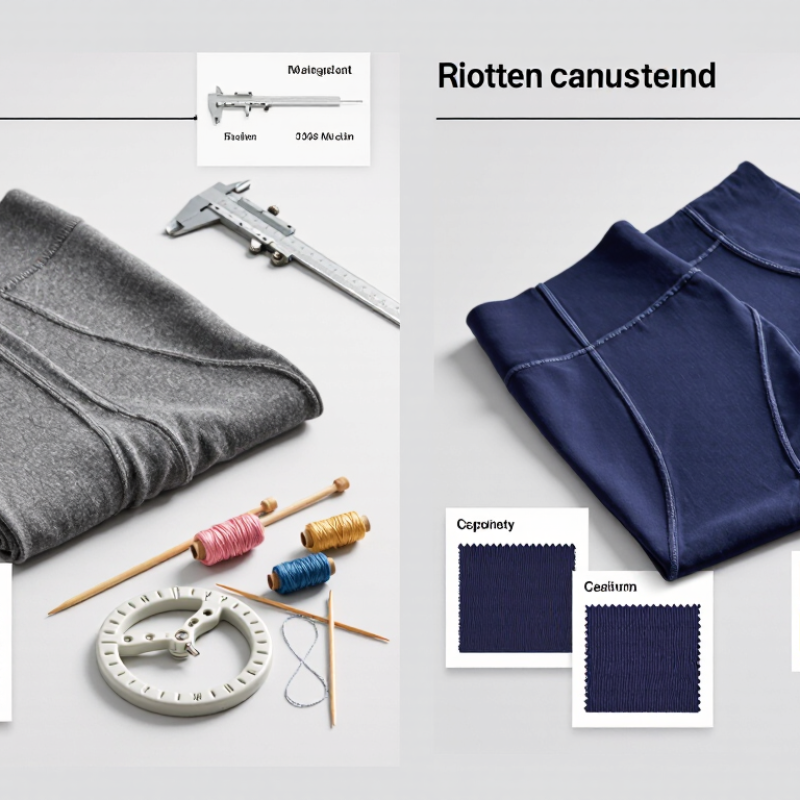
China Best Seamless Leggings Why Cost More Than Regular Ones

What Defines China’s Best Seamless Leggings

What Defines China’s Best Seamless Leggings

“Seamless” does not mean a garment has no seams at all. It usually describes leggings knitted as a tube, reducing side seams while leaving construction joins at the waistband or crotch. Quality shows in the details: even stitches, a smooth inner surface, and no sudden change in compression around the knee. A good pair should stretch during a squat, then recover without sagging. Check the waistband too. It should lie flat without rolling or digging in.

Material matters. Textile Exchange’s 2024 Materials Market Report estimates polyester made up about 57% of global fiber production in 2023. That scale makes polyester common in performance knits, often blended with elastane for stretch and recovery. But fiber content alone proves little. Ask for fabric weight, stretch-and-recovery testing, and laundering results. AATCC TM135 provides a standardized method for assessing dimensional changes after home laundering; it does not, by itself, certify leggings as durable.

For China-made products, dependable quality comes from repeatable knitting settings, careful yarn control, and inspection of finished garments—not a “premium” label. Look for consistent opacity under bright light and a gusset that lies smoothly against the body. A small flaw can still slip through. Better suppliers document batch checks and can explain how they test pilling, seam strength, and colorfastness. I would also request a wear sample: lab figures are useful, but they cannot fully predict comfort on different bodies.

How Seamless Leggings Are Designed and Manufactured

Seamless leggings begin with a digital pattern, not fabric panels. Designers map stretch, compression, ventilation, and support zones on a circular knitting machine. The machine knits a three-dimensional tube with fewer sewn seams. Yarn tension must remain stable throughout production. Small errors can create loose knees, rolling waistbands, or uneven compression.

The 2024 Textile Exchange Materials Market Report estimates global fiber production reached 124 million tonnes in 2023. Polyester represented about 57% of total output. This matters because seamless products often require carefully selected synthetic yarns for recovery and durability. Manufacturers may combine nylon, elastane, and recycled polyester. Recycled inputs can also require tighter quality control. The material choice is only one cost.

Machine programming takes specialist skill. Different body zones may need different stitch densities. A denser knit supports the abdomen, while an open structure improves airflow behind the knees. After knitting, factories inspect dimensions, stretch recovery, color consistency, and seam-free edges. Some products still need waist finishing, labeling, and heat-setting. Seamless does not mean waste-free.

In practical production, one failed setting can affect an entire batch. That risk raises sampling and inspection costs. The Global Fashion Agenda reports that textile production remains resource-intensive, especially in energy and water use. Yet seamless knitting can reduce cutting scraps compared with panel construction. The result is not automatically more sustainable. It depends on yarn selection, machine efficiency, durability, and actual garment life. This is where marketing claims often need closer testing.

Why Premium Materials Increase Production Costs

Premium seamless leggings cost more when their yarns are selected for softness, stretch recovery, and durability rather than price alone. Fine nylon or polyester filaments can feel smoother against the skin, while elastane helps fabric return to shape after repeated wear. These yarns need consistent thickness. Small variations can create uneven tension, visible lines, or weak spots in a seamless knit. That adds up.

Textile Exchange’s Materials Market Report 2024 estimates that global fiber production reached 124 million tonnes in 2023, with polyester making up 57 percent. This shows polyester is widely produced, but not every fiber is suitable for close-fitting, high-stretch garments. The report tracks fiber volumes, not leggings’ factory costs, so it cannot prove a particular price difference. In production, finer yarn specifications, fabric trials, and checks for stretch and recovery can still add time and material expense. Recycled or specialty fibers may require extra sourcing and verification, too. A premium label alone proves little. Buyers should ask about fiber content, fabric weight, and testing; even then, material quality does not guarantee better fit.

How Craftsmanship and Quality Control Affect Pricing

Seamless leggings often cost more because their construction leaves little room to hide uneven work. The fabric is knitted into a tube, so tension must stay consistent across the waist, hips, and legs. A small variation can create a tight band or a thin, see-through patch. Good machines help, but skilled setup matters too.

Quality control adds time. Workers may check fabric stretch, seam strength, waistband recovery, and color consistency across batches. A practical test is to stretch a sample under bright light and inspect whether the knit becomes transparent. They may also wash samples and check for twisting or excessive shrinkage. These checks do not make every pair perfect. They reduce avoidable defects.

Small details matter. A waistband that rolls after a few wears can make an otherwise well-made pair frustrating. Better yarns, careful knitting, and repeated inspection raise production costs, though not every higher price proves better quality. I would compare fabric feel, opacity, and recovery after stretching, rather than trust a price tag alone. Some differences only appear after regular use. That part is hard to judge in a store.

What Buyers Gain from More Expensive Seamless Leggings

Buyers pay more for well-made seamless leggings to gain comfort that lasts beyond a quick try-on. A smooth, low-bulk knit can reduce rubbing under the waistband and inner thighs during a long walk or workout. The fabric may also stretch evenly, helping the leggings stay in place through squats without frequent tugging. Small details matter: a soft inner finish, firm but not pinching support, and stitching that does not create rough spots.

Better construction can help the garment keep its shape after repeated washing, though care still matters. Cold water and air-drying often place less stress on elastic fibers than hot cycles. Fit is not guaranteed, either. Body shapes and preferred levels of compression differ, so even a higher-priced pair may roll at the waist or feel too tight. Check the fabric blend, size chart, and return terms before buying. A higher price is most worthwhile when the leggings feel comfortable after several hours, not just in a dressing room. And sometimes, the fit is simply wrong.

China Best Seamless Leggings: Why They Cost More Than Regular Ones

Typical U.S. retail price ranges for unbranded leggings (USD; indicative ranges, not a live market survey)

What buyers may gain: Seamless leggings can require specialized circular-knitting equipment and more complex production, which can raise manufacturing costs. Depending on the product, buyers may also get fewer seams, a smoother feel, and a closer-fitting design. Price alone does not guarantee better quality, so check fabric composition, construction, and care instructions.

FAQS

How are seamless leggings designed?

Designers create digital patterns before knitting begins. They map stretch, support, compression, and ventilation zones. The machine knits a three-dimensional tube. Fewer seams can reduce bulk. Not always perfectly.

What materials are commonly used in seamless leggings?

Manufacturers may combine nylon, elastane, and polyester. Elastane supports stretch recovery. Nylon and polyester can improve durability. Recycled fibers may require extra quality checks. Fiber choice affects cost.

Why does premium yarn increase production costs?

Premium yarns often need softness, consistent thickness, and strong recovery. Tiny variations can create weak spots or uneven tension. Factories may perform more trials and inspections. Better yarn is not automatically better.

How does machine programming affect the final garment?

Different body areas need different stitch densities. Dense knitting can support the abdomen. Open structures may improve airflow behind the knees. One incorrect setting can affect an entire batch.

What quality checks do factories perform?

Inspectors check dimensions, stretch recovery, color consistency, and edge finishing. They may also test waist finishing and heat-setting. Loose knees or rolling waistbands can reveal production errors.

Are seamless leggings automatically more sustainable?

No. Seamless knitting may reduce cutting scraps. However, production still uses energy, water, and raw materials. Sustainability depends on yarn selection, machine efficiency, durability, and garment life. Marketing claims need checking.

What benefits can buyers expect from expensive seamless leggings?

A smooth knit can reduce rubbing around the waistband and inner thighs. Even stretch may help leggings stay in place during squats. A soft inner finish can improve comfort. The benefit should last beyond one fitting.

How can buyers judge fit and care needs?

Check the fiber blend, fabric weight, size chart, and return terms. Wear comfort matters after several hours. Cold washing and air-drying may reduce stress on elastic fibers. Still, the fit can simply be wrong.

Conclusion

China’s best seamless leggings stand out through their smooth construction, supportive fit, and carefully engineered fabric. Unlike regular leggings, they are designed to minimize seams, which requires specialized knitting techniques, precise pattern development, and equipment suited to producing consistent, close-fitting garments. The choice of premium yarns also affects the cost: soft, durable, and elastic materials can improve comfort, shape retention, and resistance to wear, but they are generally more expensive to source and process.

So, why are seamless leggings more expensive than regular ones? Their higher price reflects not only material costs but also skilled manufacturing and stricter quality control. Each stage, from knitting and shaping to checking fit and finish, must meet demanding standards. For buyers, the extra investment can mean a smoother feel, greater comfort during movement, a more flattering fit, and leggings designed to maintain their performance over time.

Sienna

Sienna

Sienna is a skilled marketing professional with a deep expertise in our company’s core products and services. With a passion for innovation and detail, she plays a pivotal role in crafting insightful blog posts that not only highlight the unique features of our offerings but also provide valuable......