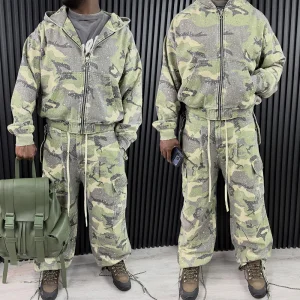
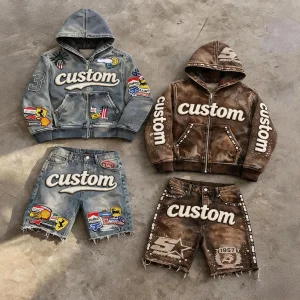
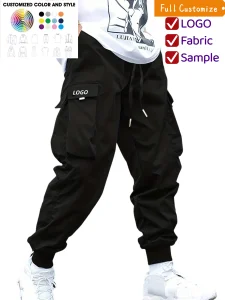
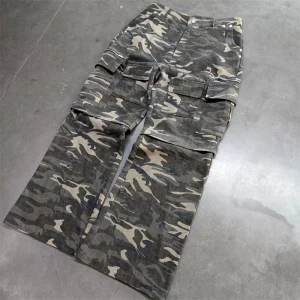
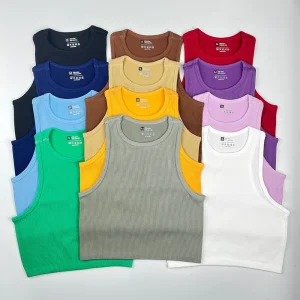
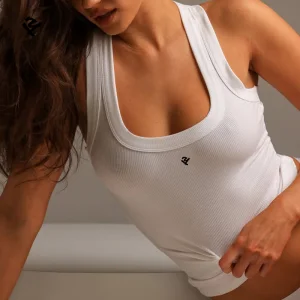
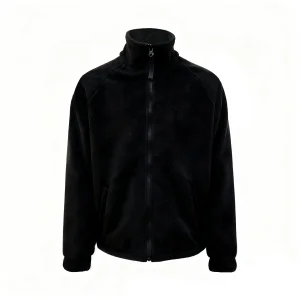
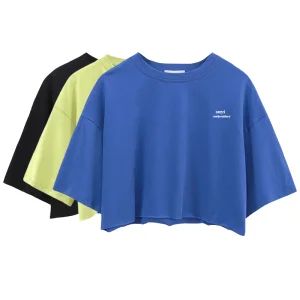
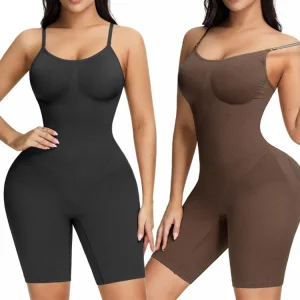
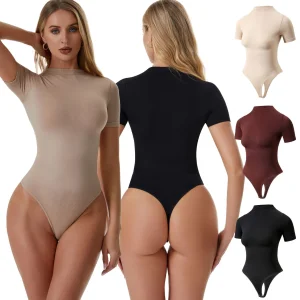
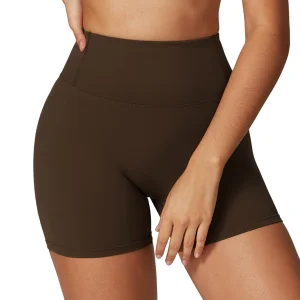
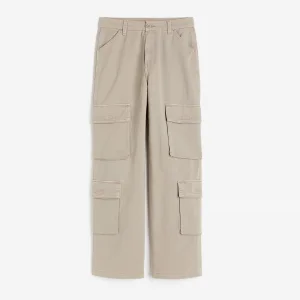
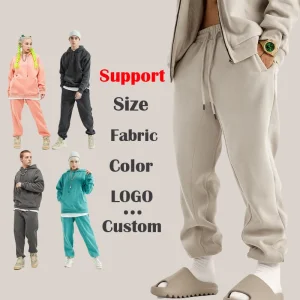
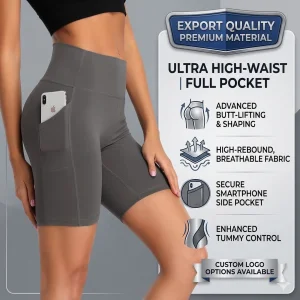
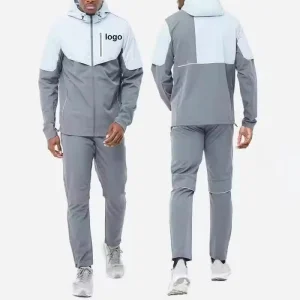
Explore our premium custom products manufactured to international performance standards
Analysis of market values, compound annual growth, and technical evolution driving the functional clothing supply chain.
The global stretch leggings market has graduated from simple fitness apparel into a multi-billion dollar segment of the modern performance textiles ecosystem. In today's landscape, procurement managers, distributors, and brand owners do not merely buy clothing; they buy engineered products. High-recovery elastomers, complex synthetic yarn configurations (such as micro-polyamide and customized elastanes), and advanced seam architectures define the competitive space.
As consumer standards rise, activewear brands face intense pressure to produce leggings that offer squat-proof opacity, thermodynamic cooling, localized muscle compression, and sustainable sourcing credentials. Consequently, standard production setups are insufficient. Accessing a dedicated activewear manufacturing cluster like Guangdong enables brands to deploy specialized synthetic blends, utilize automatic precision cutting systems, and tap into optimized manufacturing logistics.
A B2B technical guide mapping textile composition, mechanical recovery, and construction methods.
Choosing the correct yarn denier determines recovery, touch, and stretch profiles.
Premium stretch leggings rely on polymer engineering to deliver high recovery rates. The combination of polyamide (nylon) and elastane (spandex) forms the foundation of high-performance activewear. Nylon provides durability, soft texture, and colorfastness, while elastane delivers multidirectional elongation.
Leading activewear brands prioritize Nylon 66 because its tighter molecular structure withstands repeated stretching without warping. In contrast, low-grade alternatives warp quickly, resulting in bagging at the knees and hips.
Furthermore, yarn processing plays a critical role. Air-textured yarns (ATY) create a cotton-like feel while retaining synthetic performance, whereas draw-textured yarns (DTY) deliver a sleek, second-skin finish ideal for high-intensity training.
Advanced seams prevent chafing and structural failure under load.
The durability of a pair of leggings depends on its seam construction. Traditional overlock seams create raised ridges that can chafe during movement. Because of this, high-performance leggings require four-needle six-thread (flatlock) machines. This construction creates a flat, durable seam that stretches alongside the fabric.
For seamless production, computer-controlled circular knitting machines assemble the garment body directly from yarn feeds. This technique eliminates seams entirely on the outer leg, reducing structural failure points and allowing for engineered ventilation panels and compression zones.
Finally, pattern makers must design anatomically mapped panels. Placing contoured panels along natural muscle lines supports blood flow, reduces muscle oscillation during workouts, and keeps the waistband securely in place without rolling down.
Corporate Profile: High-Capacity OEM/ODM Sportswear Manufacturing
Guangdong CGE Clothing Co., Ltd. is a professional sportswear and apparel manufacturer specializing in premium OEM, ODM, and private label solutions for brands worldwide. With years of industry experience and a strong manufacturing foundation, we provide high-quality customized apparel that combines innovative design, advanced production technology, and strict quality control.
Our product range covers activewear, yoga wear, gym wear, fitness apparel, running wear, training wear, athleisure, outdoor clothing, and functional sports garments for men, women, and children. From fabric development and pattern making to sampling, bulk production, packaging, and global delivery, we offer comprehensive one-stop manufacturing services that help brands bring their ideas to market efficiently.
At CGE Clothing, we believe that every successful brand deserves a reliable manufacturing partner. By integrating flexible production capabilities, modern equipment, experienced technical teams, and efficient supply chain management, we enable our clients to reduce production complexity, improve product consistency, and accelerate business growth in today's competitive apparel industry.
We implement multi-stage quality control from raw materials to final packaging, ensuring all products align with your specific AQL tolerances.
Equipped with automatic cutting machines and specialized activewear stitching units, we minimize cutting tolerances and improve output quality.
Our experienced pattern makers and sample designers translate complex 2D tech packs and 3D designs into production-ready physical samples.
A behind-the-scenes look at our workflow, raw material inspection, automated cutting systems, and final quality control check.
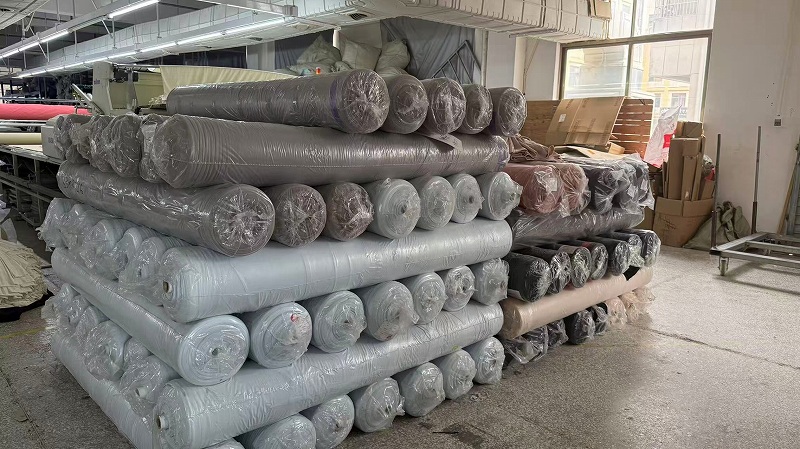
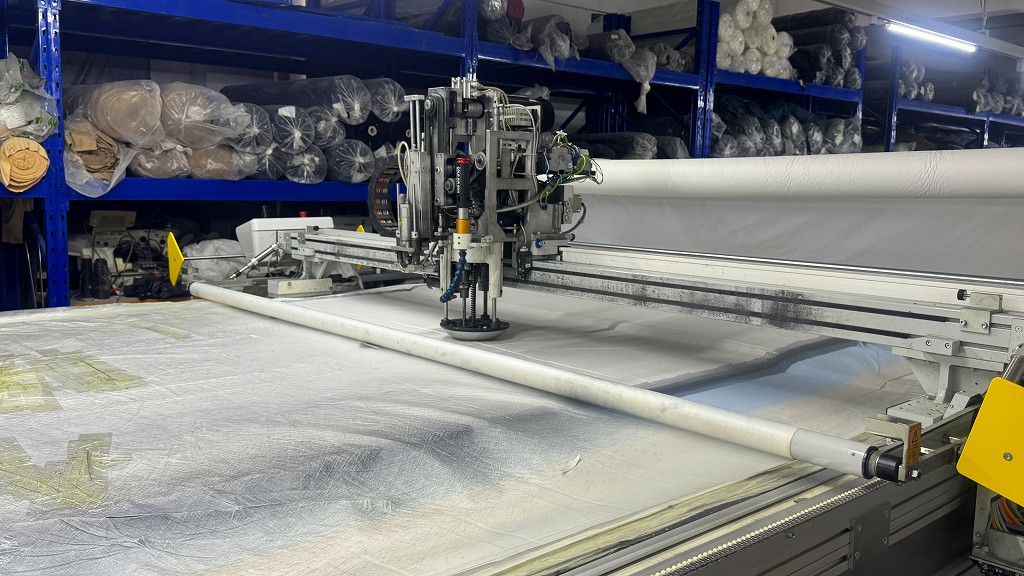
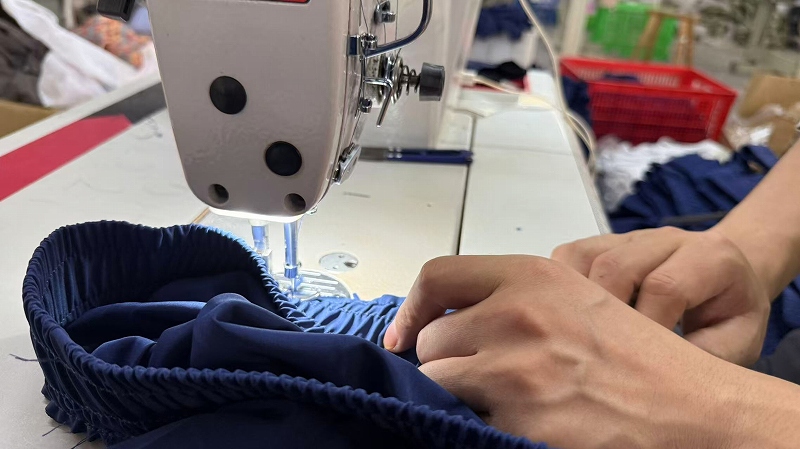
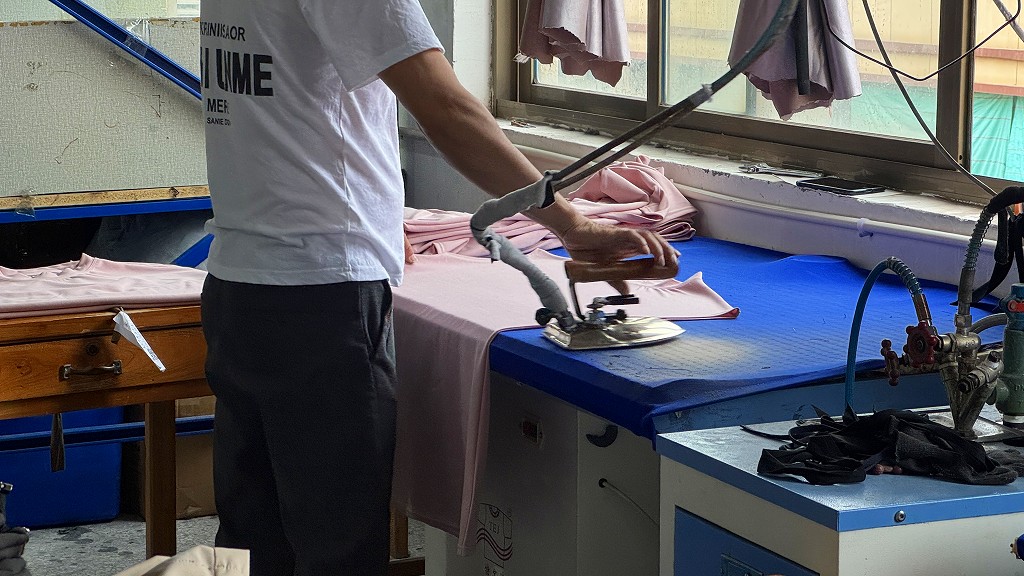
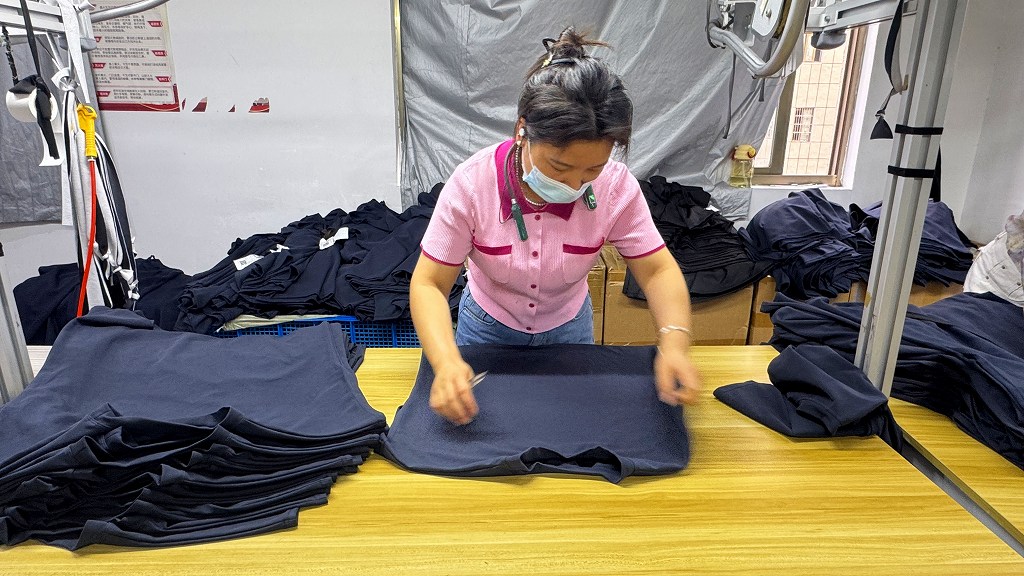
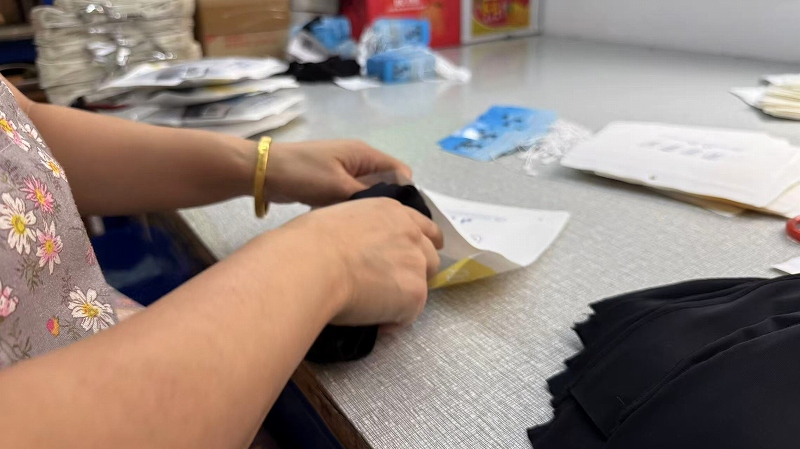
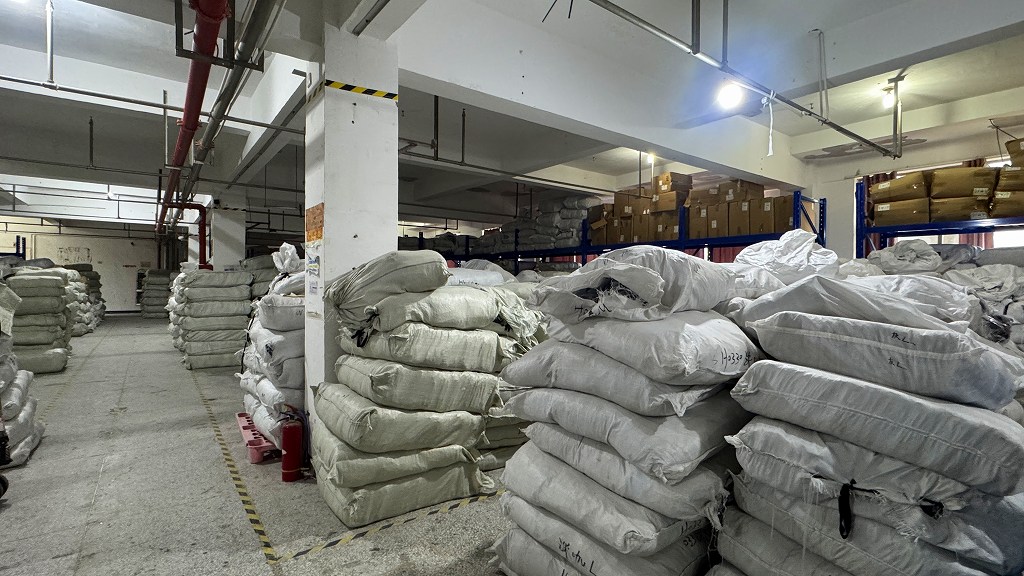
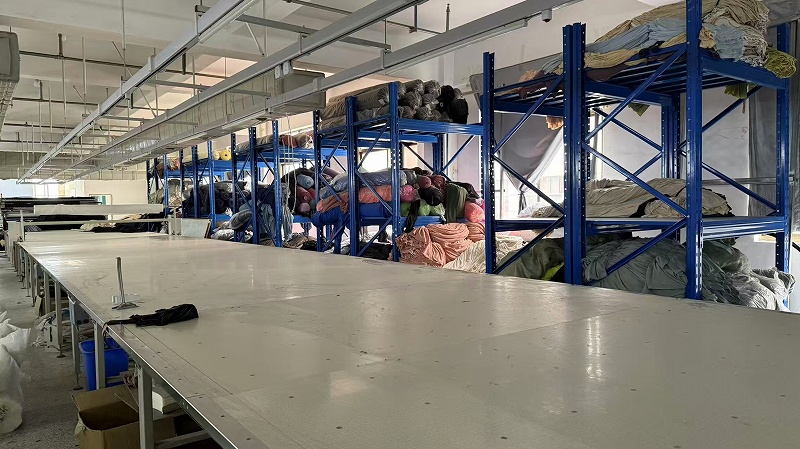
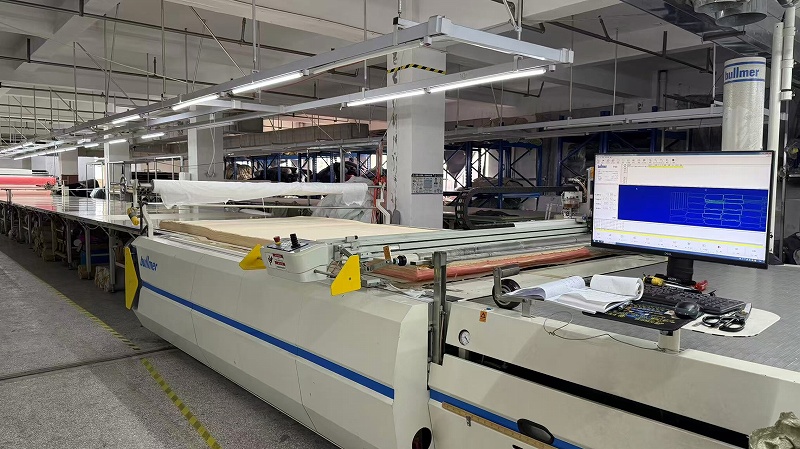
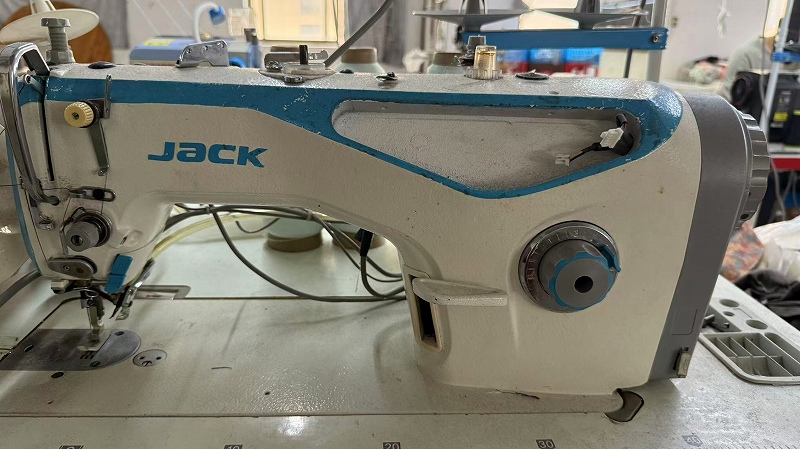
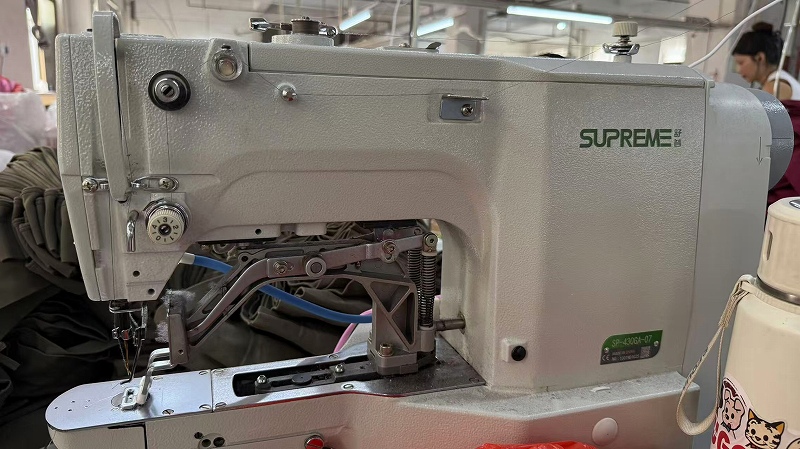
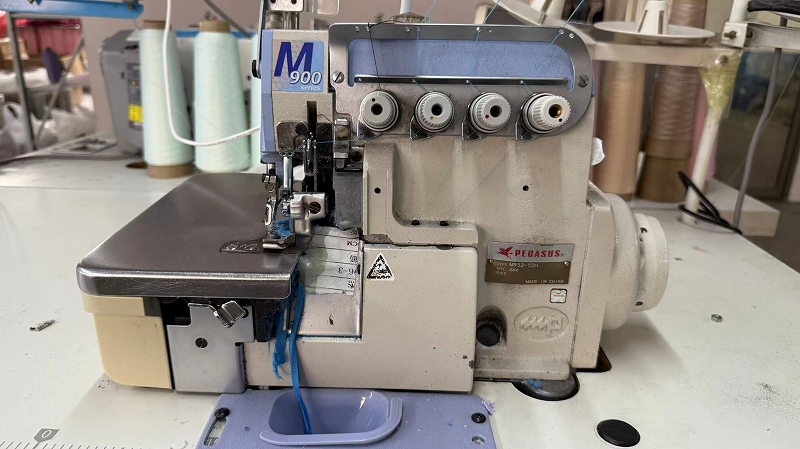
A detailed overview of our product custom design process, tech pack translation, fabric sampling, and mass-scale production timelines.
From idea to global product distribution.
Successful private label production starts with clear technical details. Our team translates design sketches, sizing tables, and fabric requirements into structured production guidelines. For brands working with digital workflows, we accept 3D apparel file formats to speed up pattern making and reduce physical sampling cycles.
After approving the pattern layout, we source performance fabrics from local mills. We customize fabric parameters, including weight (GSM), fiber blend ratios, and treatments like antimicrobial finishes and UV block coatings.
Once raw fabrics pass intake inspections, they move to automatic cutting beds where digital patterns are nested to maximize efficiency and minimize material waste. Parts then route through specialized sewing lines, where they are finished using automated bartacking for stress points and flatlock machines for bulk seaming.
Clear details on Minimum Order Quantities, custom printing options, import logistics, and certifications.
For custom-dyed colors or specialized fiber compositions, our standard MOQ starts at 500-1,000 units per style. However, for standard stock fabrics using custom prints or heat transfer branding, we offer lower minimums starting at 100-300 units.
We provide multiple high-durability print options, including sublimation printing, heat-transfer films, screen printing, and silicone embossing. For yoga pants, we highly recommend silicone heat transfers for their high stretch and crack resistance.
Physical sample creation takes 7-10 working days, depending on fabric availability. Bulk production ranges from 25 to 45 days after deposit payment and pre-production sample approval.
Yes. We partner with OEKO-TEX Standard 100 and Global Recycled Standard (GRS) certified yarn spinners. We also provide full traceability documents for brands incorporating recycled ocean plastic or PET yarns into their products.
Our quality control workflow covers raw fabric testing, inline inspections, and a final pre-shipment check matching AQL 1.5 standards. Clients are welcome to hire third-party inspection firms before final dispatch.
We offer flexible shipping terms including FOB, CIF, DDP, and EXW. Our logistics team handles custom declarations and manages door-to-door delivery with leading sea, air, and rail carriers.
Complete your brand inventory with our activewear, cargo, and body-shaping lines
 CGE Clothing