Discover our highly requested bespoke textile offerings, serving international brands with unparalleled speed and manufacturing consistency.

Unlocking macroeconomic shifts, material advancements, and consumption pipelines driving the vegan outerwear market.
The global synthetic leather market size is expected to witness substantial growth, accelerating at a CAGR of over 7.8% and projected to surpass USD 65 billion by 2030. Faux leather jackets, once viewed merely as budget-friendly alternatives to animal hide, have evolved into a core segment of sustainable luxury, fast fashion, and high-performance outerwear. Driving this shift is the conscious consumer's rejection of animal cruelty combined with strict environmental regulations in North America and Western Europe.
Furthermore, structural improvements in material science have solved historical paint points such as plastic stiffness, low breathability, and rapid peeling. Modern polyurethane (PU) and bio-based synthetics replicate the grain, hand-feel, and micro-porosity of natural hides, providing fashion buyers with premium aesthetics coupled with weatherproofing capabilities.
B2B fashion buyers must navigate diverse polymer structures depending on product targets. Polyurethane (PU) remains the standard for consumer outerwear due to its soft hand, flexibility, and suitability for complex seam tailoring. Polyvinyl Chloride (PVC) is restricted to heavy industrial or high-wear applications, given its rigidity and the environmental concerns surrounding plasticizers.
Emerging as the modern standard are bio-polyols derived from agricultural waste (such as corn starch, pineapple leaves, and cactus fibres). The integration of bio-based substrates allows manufacturers to reduce carbon footprints by up to 40% compared to petroleum-derived equivalents, yielding valuable marketing leverage for premium private label brands.
A statistical breakdown of global synthetic outerwear production, quality control, and supply chain efficiencies.
An authoritative analysis of leading global suppliers ranked by supply chain stability, technical mastery, and material innovation.
Overview: Widely recognized as a leader in premium athletic apparel and complex fashion outergarments, CGE Clothing leverages high-precision manufacturing clusters in Southern China. Offering robust OEM/ODM pipelines, they are uniquely capable of handling hybrid fabric blends, joining tech fleece, windbreaker membranes, and high-grade PU faux leather components with exceptional precision.
Core Strengths: Streamlined smart production lines, rapid CAD pattern adjustments, and deep compliance validation for western retail groups.
Overview: As one of China's chemical and polymer giants, Huafon supplies a substantial share of the raw polyurethane and synthetic leather used worldwide. Their vertical integration from raw raw chemical bases to finished synthetic rolls guarantees price consistency and high raw material quality control.
Core Strengths: Scale of production, proprietary micro-porous PU patents, and robust supply chain resilience.
Overview: Serving as a primary nearshore hub for European luxury retailers, Turkish manufacturers excels in artisan-level leather stitching. Many factories are equipped to execute high-end distressed washings and vintage patinas on water-based PU materials.
Core Strengths: Proximity to Europe, short transport transit times, and skill with hardware accessories and detailing.
Overview: A dominant player in the South Asian synthetic leather space, Mayur caters to automotive, footwear, and apparel markets. Their facilities produce large volumes of low-VOC PVC and high-grade PU materials.
Core Strengths: Cost-efficient manufacturing models, reliable raw material consistency, and ISO certifications.
Overview: The pioneer of high-performance micro-fiber synthetic leather (such as "Clarino"). Japanese engineering excels in replication of the dense collagen fibre structure of natural suede and full-grain leather.
Core Strengths: Premium material quality, high abrasion resistance, and leadership in bio-based eco-options.
Overview: San Fang is a major material supplier to global athletic giants. They operate advanced synthetic processing mills in Vietnam and China, delivering high-performance surface layers.
Core Strengths: Heavy investment in research and development, waterless processing options, and strict compliance with chemical safety codes.
Overview: Situated in China's manufacturing heartland, this plant specializes in fashion-forward PU leather coats. They offer extensive design catalogs, matching seasonal market trends with quick turnarounds.
Core Strengths: Low minimum order requirements, extensive pattern archives, and efficient domestic fabric sourcing.
Overview: Haining is a global epicenter for real and faux leather trade. The manufacturing consortium provides unparalleled access to global components, including heavy metal trims, insulation linings, and custom packing options.
Core Strengths: Massive production scale, highly competitive cost structures, and experienced export-handling personnel.
Overview: A Southeast Asian industrial textile plant focusing on PVC and PU synthetic sheeting. They service local and international apparel brands looking to diversify their manufacturing footprints outside of East Asia.
Core Strengths: Competitive labor cost structure, compliance with ASEAN trade agreements, and reliable baseline quality.
Overview: Fusing European design sensibilities with modern textile techniques, these Spanish operations focus on premium eco-certified PU leather collections for select high-end boutiques and brands.
Core Strengths: Premium design sensibility, compliance with strict EU REACH chemicals regulations, and high-precision craftsmanship.
Your Premier Manufacturing Partner for Sportswear, Outerwear, and Private Label Solutions.
Guangdong CGE Clothing Co., Ltd. is a professional sportswear and apparel manufacturer specializing in premium OEM, ODM, and private label solutions for brands worldwide. With years of industry experience and a strong manufacturing foundation, we provide high-quality customized apparel that combines innovative design, advanced production technology, and strict quality control.
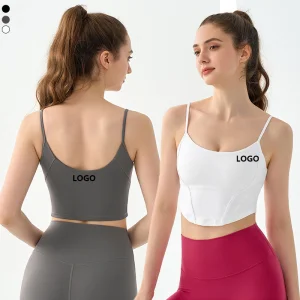
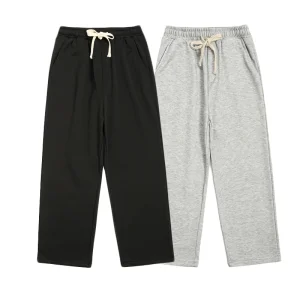
Our product range covers activewear, yoga wear, gym wear, fitness apparel, running wear, training wear, athleisure, outdoor clothing, and functional sports garments for men, women, and children. From fabric development and pattern making to sampling, bulk production, packaging, and global delivery, we offer comprehensive one-stop manufacturing services that help brands bring their ideas to market efficiently.
At CGE Clothing, we believe that every successful brand deserves a reliable manufacturing partner. By integrating flexible production capabilities, modern equipment, experienced technical teams, and efficient supply chain management, we enable our clients to reduce production complexity, improve product consistency, and accelerate business growth in today's competitive apparel industry.
At CGE Clothing, quality, innovation, and partnership are at the heart of everything we do. We continuously invest in advanced manufacturing technologies, skilled craftsmanship, and sustainable production practices to ensure every garment meets international quality standards and customer expectations.
Our experienced team understands the evolving needs of the global sportswear market and is dedicated to helping brands respond quickly to changing trends while maintaining consistent product quality.
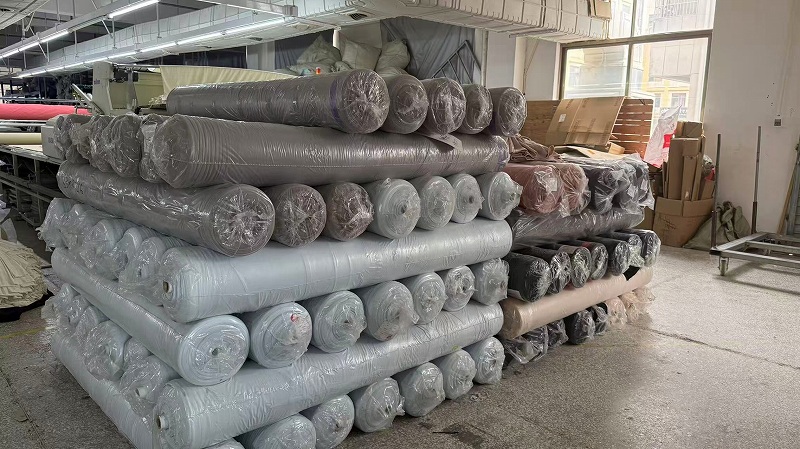
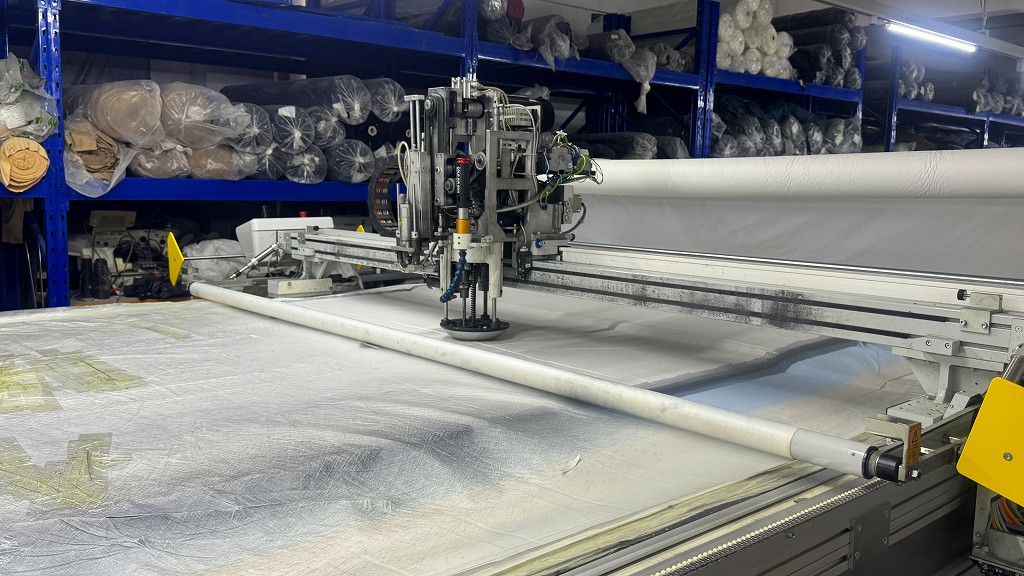
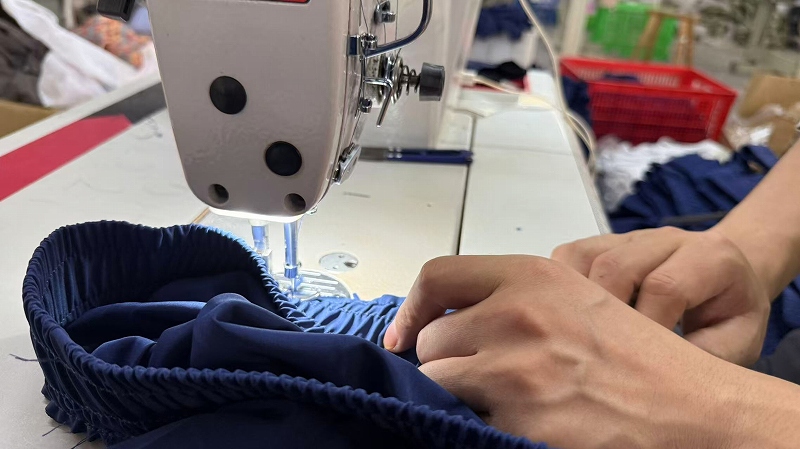
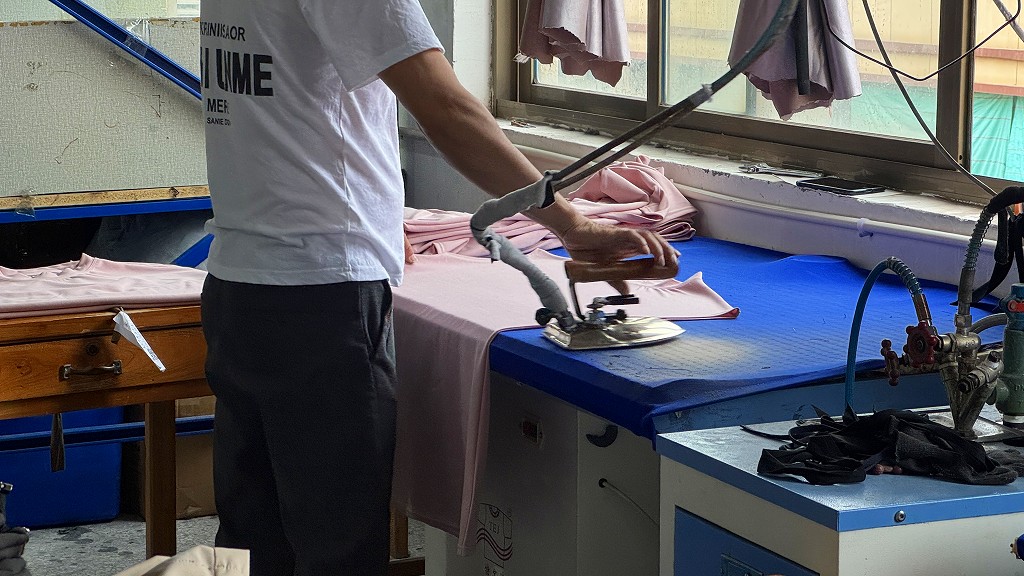
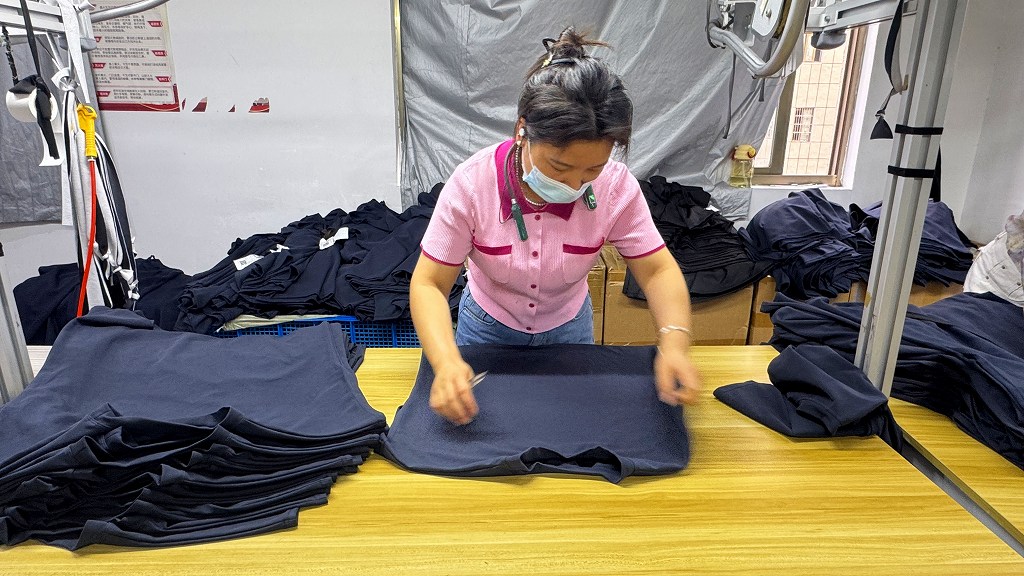
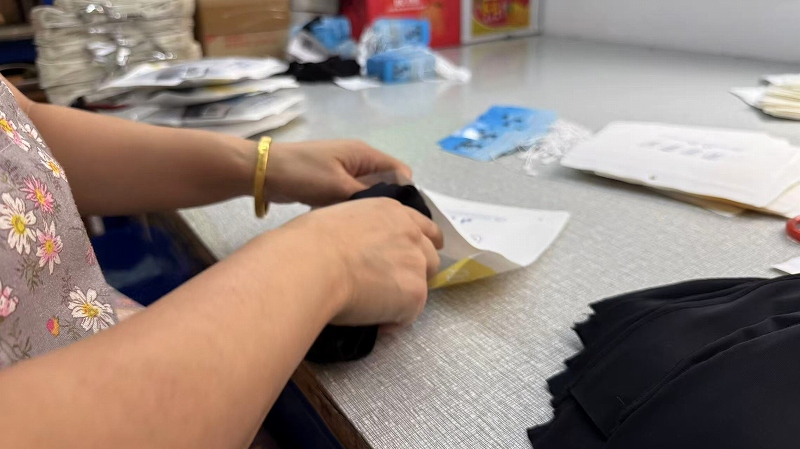
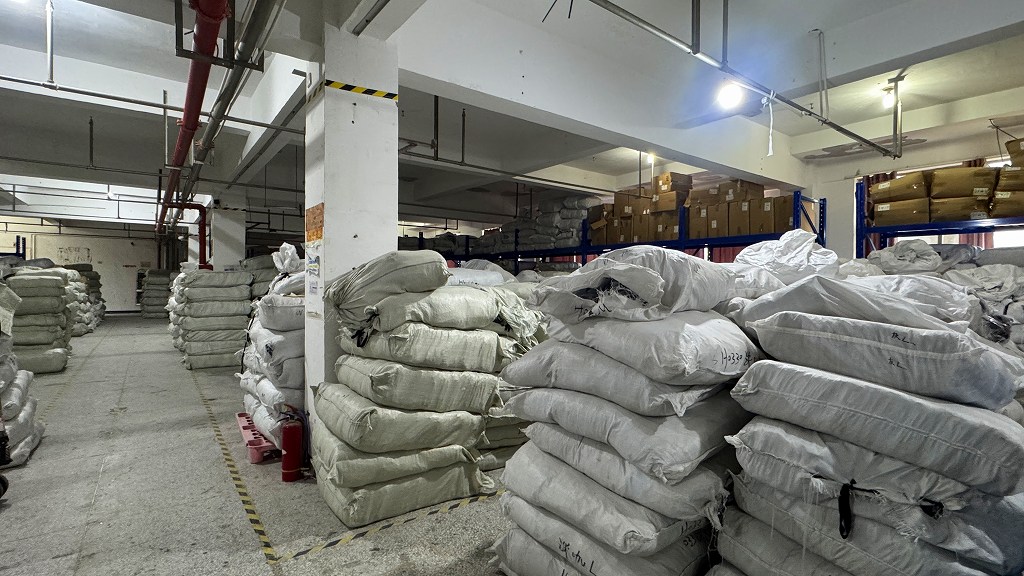
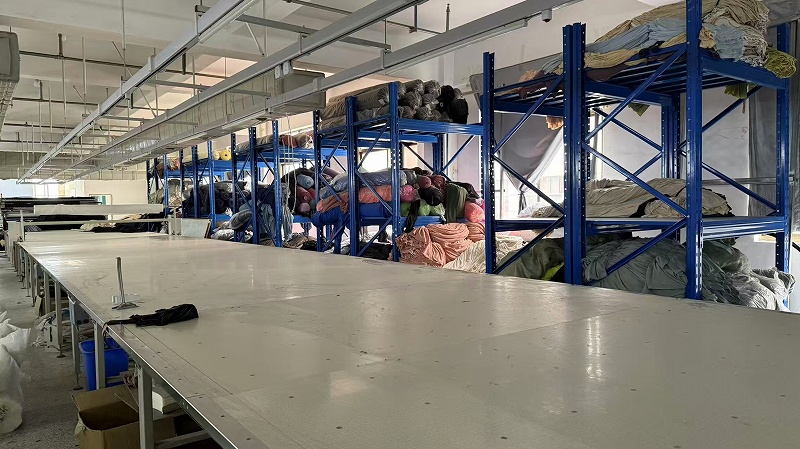
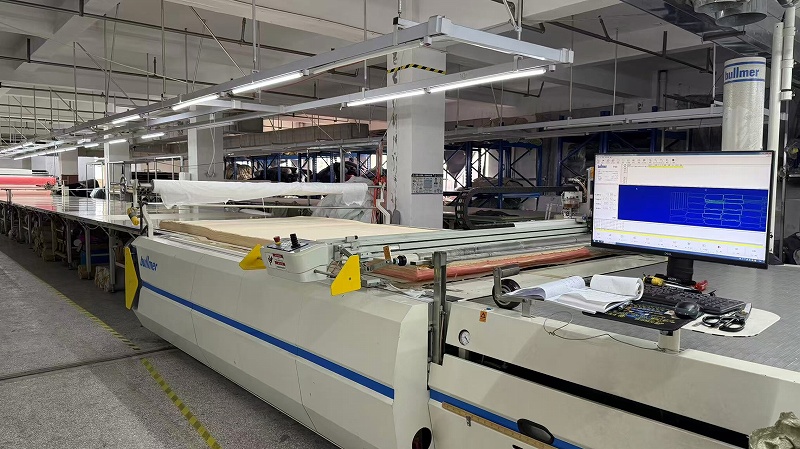
Take a virtual walkthrough of our state-of-the-art facility in Guangdong. We manage every step to maintain the highest quality standards.
Why the Pearl River Delta remains the global cornerstone for synthetic leather jacket sourcing.
The manufacturing efficiency of Chinese apparel factories stems from a mature, localized supply ecosystem. In Guangdong province, a factory is situated within a two-hour drive of raw polymer mills, hardware factories specializing in high-tensile metal zippers, lining weavers, and specialized button stamping plants. This concentration minimizes domestic logistics costs and shortens materials consolidation cycles from weeks to days.
Additionally, this infrastructure supports rapid material and trim development. If an overseas client requires a customized pull tab or a specific grain embossing plate, local workshops can fabricate custom molds and deliver physical pre-production samples within 72 hours.
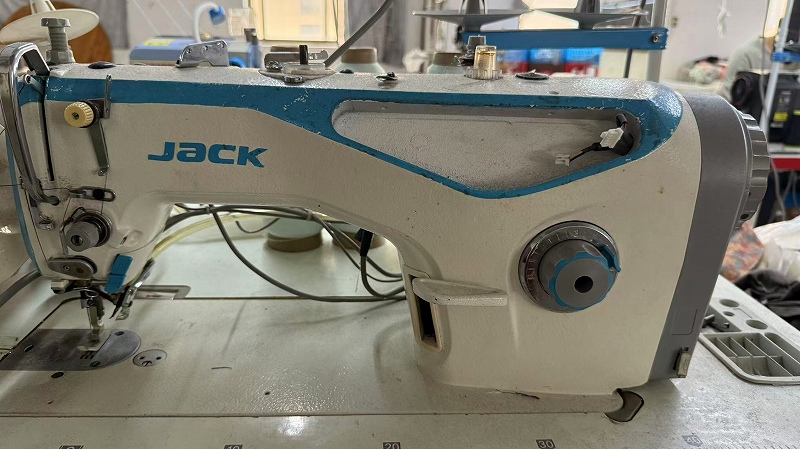
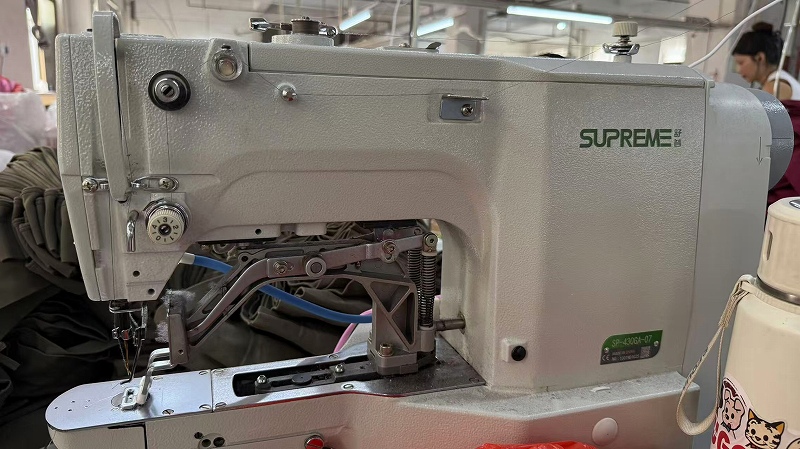
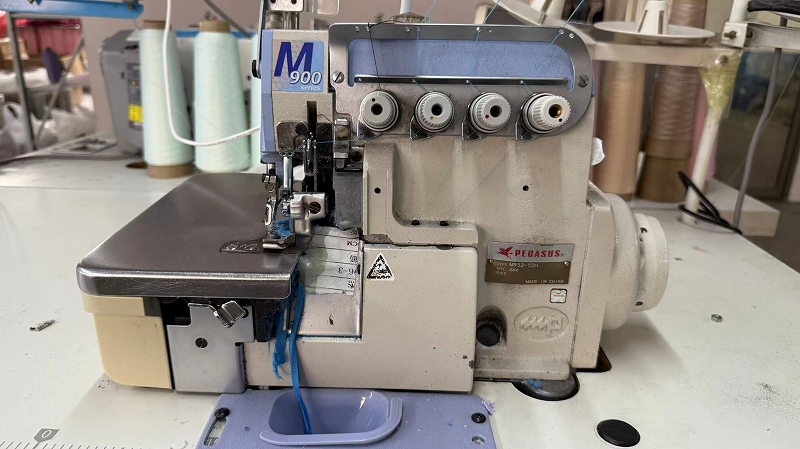
As domestic labor markets tighten, top-tier factories have shifted towards automated production setups. Incorporating Automatic CNC Cutting Systems and computer-guided sewing templates ensures cutting precision down to the millimeter, minimizing fabric waste by up to 15%. Computerized sewing heads execute stitch runs with absolute uniformity, mitigating common sewing errors such as seam puckering or uneven stitching, which are frequent in manual factories.
For high-performance sportswear and outer layers, these plants use specialized machinery (such as the Bartack Machine and Over-lock Machine shown above) to reinforce stress points, ensuring durability under real-world usage.
Tailoring material formulation, design aesthetics, and functional profiles for diverse consumer categories.
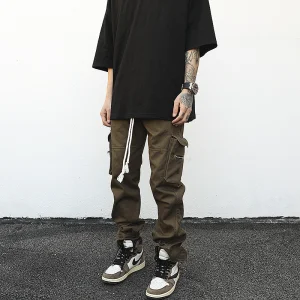
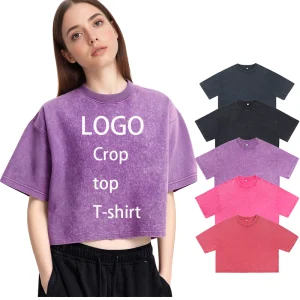
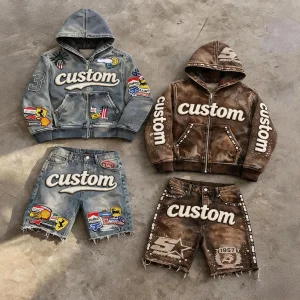
Modern streetwear focuses on oversized fits, dropped shoulders, and heavy-washed textures. Top manufacturers create distressed, vintage-looking synthetic finishes by using chemical-wash processes and mechanical tumbling. These treatments give PU jackets a authentic worn-in look without compromising the strength of the underlying backing fabric.
For active lifestyles, commuting, and urban outdoor wear, jackets must offer element protection. Manufacturers integrate water-resistant membranes underneath the PU layer, tape critical seams, and add underarm ventilation eyelets. This creates windproof and water-resistant outerwear that remains comfortable and breathable.
Corporate procurement requires durable, easy-care materials that can handle heat transfers or machine embroidery. By selecting robust PVC-polyurethane hybrid fabrics, manufacturers deliver jackets that hold up to commercial laundering and frequent wear while maintaining a clean look.
Staying ahead of material breakthroughs and environmental compliance standards.
Forward-thinking brands are moving away from traditional petroleum-based polymers. The latest sourcing focus is on recycled water-borne PU, which eliminates harmful dimethylformamide (DMF) solvents from the production process. Additionally, utilizing bio-based fillers sourced from food byproducts or fast-growing plants allows brands to target the eco-conscious consumer segment effectively.
To reduce sample-making waste and shorten approval times, leading factories use 3D garment simulation tools. Brands can check fit, adjust pocket placement, and preview draping virtually before committing to physical materials. This digital-first approach shortens development cycles from over a month to just a few days.
Critical quality criteria and compliance standards for importing faux leather goods.
Ensure your supplier complies with international chemical frameworks, including REACH (Europe), CA Prop 65 (US), and OEKO-TEX Standard 100. Checking for these certifications protects your brand from customs holds and product recall issues.
Ask for verified laboratory test results for key durability metrics: Martindale Abrasion Resistance (aim for >50,000 rubs), Flexing Resistance (no cracking after 100,000 cycles), and Color Fastness to Light.
Verify that production facilities hold up-to-date third-party audits, such as BSCI or Sedex (SMETA). Ethical supply chains are essential for modern retail distribution and brand reputation.
Answers to essential questions for sourcing managers and fashion buyers.
PU (Polyurethane) is softer, more flexible, and offers better breathability, making it the preferred choice for premium apparel. PVC (Polyvinyl Chloride) is stiffer and cheaper, but it is less breathable and less environmentally friendly due to the plasticizers used during production.
Minimum Order Quantities (MOQs) generally range from 300 to 500 pieces per style/color. However, utilizing stock fabric colors can sometimes reduce the required minimums for smaller production runs.
Peeling is prevented by using high-quality polyurethane layers applied to strong, stable backing fabrics (such as woven polyester or microfiber) and ensuring proper curing times during production. Lower-grade PVC fabrics are much more prone to cracking and peeling.
Once the pre-production sample is approved, bulk manufacturing typically takes 30 to 45 days. Custom fabric developments or specialized hardware can add 10 to 15 days to this timeline.
Yes, PU leather can be color-matched to specific Pantone references. This process requires a minimum run of fabric (typically around 1,000 meters) to run the color adjustment lines.
From activewear to structured outerwear, we provide reliable manufacturing services to grow your brand's collections.

 CGE Clothing