Explore our high-performance apparel engineered for durability, flexibility, and absolute comfort.
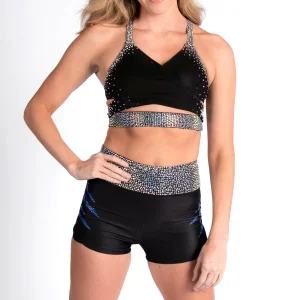
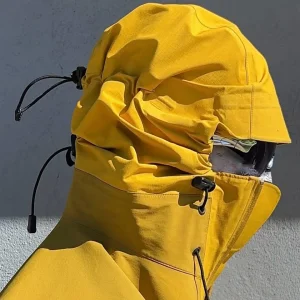
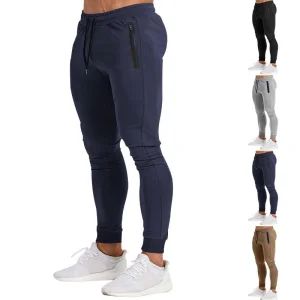
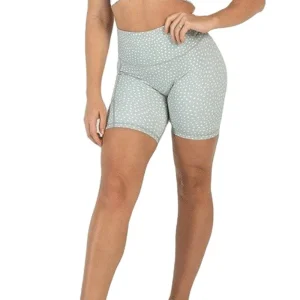
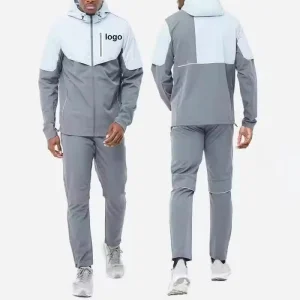
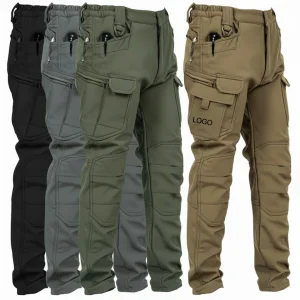
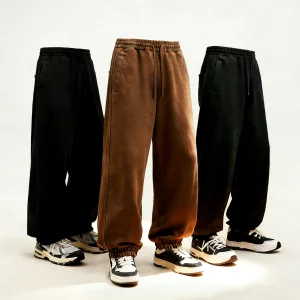
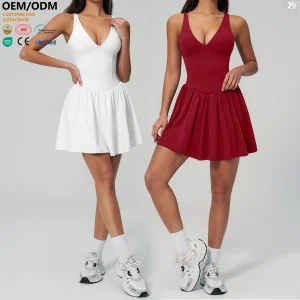
Guangdong CGE Clothing Co., Ltd. stands at the forefront of premium sportswear and custom apparel manufacturing. We specialize in delivering end-to-end OEM, ODM, and private label solutions tailored to the dynamic needs of global fashion, athleisure, and eco-conscious brands.
By leveraging deep textile expertise, cutting-edge automated cutting lines, and premium ecological raw materials, we enable brands to launch and scale product lines seamlessly. From fabric testing and precision pattern development to bulk high-volume manufacturing, our processes strictly adhere to international benchmarks.
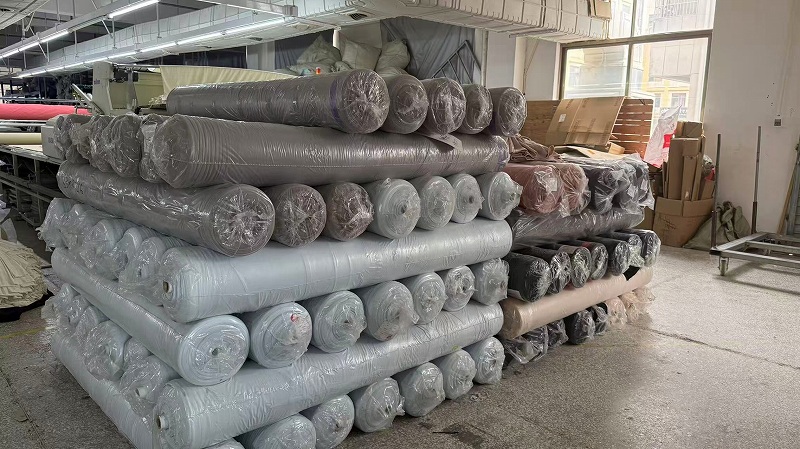
In the wake of the global transition toward sustainability, bamboo fiber clothing has evolved from a niche green alternative to a mainstream powerhouse in the global apparel industry. Known for its luxurious hand-feel, thermoregulating qualities, and low carbon footprint, bamboo fabric is redefining premium casual wear, athleisure, and performance sportswear. For brand owners, sourcing directors, and product designers, selecting the right partner in China—the world's epicentre of bamboo cultivation and textile processing—is critical to achieving high market margins and maintaining supply chain compliance.
This industry guide explores the industrial dynamics of China's bamboo textile mills, fabric engineering advances, regulatory certifications, and the manufacturing prowess of leaders like Guangdong CGE Clothing Co., Ltd.
China is home to over 500 species of bamboo, producing over 70% of the world's raw bamboo pulp suitable for textiles. However, raw material availability is only one part of the equation. The true competitive advantage of Chinese factories lies in their integrated vertical supply chains:
Chinese factories are located within industrial clusters where spinning mills, knitting plants, dye houses, and logistics hubs operate in close proximity, minimizing transportation times and costs.
Investment in advanced machinery, such as high-speed circular knitting machines and computer-aided sewing, ensures consistency that smaller manufacturing hubs cannot replicate.
Leading Chinese chemical factories utilize closed-loop solvent systems, recycling up to 99% of processing agents, ensuring the final fabric aligns with international ecological regulations.
Guangdong, being a core apparel manufacturing hub, blends this raw material availability with highly efficient export logistics, making it the perfect gateway for international brands to procure top-quality bamboo shirts.
When sourcing bamboo shirts, buyers must understand the primary types of bamboo textiles available on the market. Each offers distinct mechanical properties, cost structures, and ecological profiles:
The most common form of bamboo fabric. The cellulose is extracted from raw bamboo pulp and extruded using a wet-spinning process. This yields an exceptionally soft, silky, drape-heavy fabric ideal for luxury t-shirts, loungewear, and activewear. It features natural moisture-wicking and hypoallergenic qualities.
Unlike standard viscose, the Lyocell process uses a non-toxic organic solvent in a closed-loop system. This process recovers 99.5% of the chemical agents, drastically reducing environmental impact. Bamboo Lyocell exhibits superior tensile strength, both wet and dry, and retains the smooth texture of bamboo viscose.
Blends are highly popular for activewear and daily wear. Standard configurations include:
• 70% Bamboo / 30% Organic Cotton: Offers the structure and durability of cotton with the softness and breathability of bamboo.
• 95% Bamboo / 5% Spandex: Provides the high stretch and recovery needed for yoga, athletic training, and performance shirts.
Understanding the functional benefits of bamboo allows brands to optimize their product descriptions and align with consumer search intent. High-quality bamboo fabrics engineered by Guangdong CGE Clothing offer:
Global brands must protect their reputation by ensuring that the factories they partner with comply with international social and environmental standards. Guangdong CGE Clothing operates with the highest levels of transparency and holds key compliance capabilities:
Ensures that the finished bamboo shirt is free from harmful levels of toxic substances, making it completely safe for direct skin contact.
Verifies that the raw bamboo used to produce the textiles is sourced from responsibly managed forests that preserve biodiversity.
Confirms that the manufacturing facility operates under fair labor practices, safe working conditions, and ethical treatment of all personnel.
By partnering with certified manufacturers in China, brands avoid regulatory delays at customs and gain the trust of eco-conscious consumers who demand traceability.
Witness how Guangdong CGE Clothing transforms premium raw materials into precision-engineered garments through strict procedural standards.
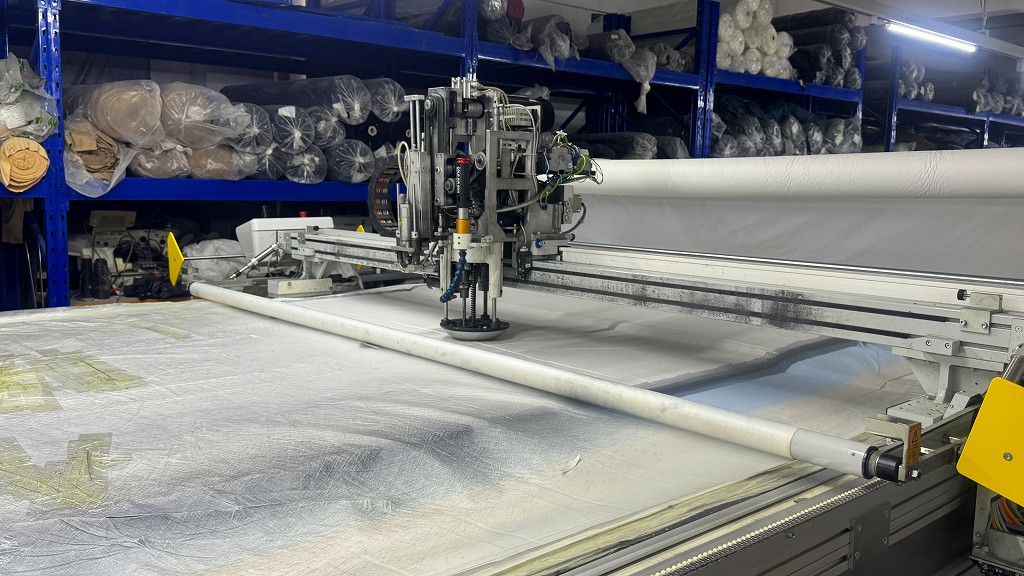
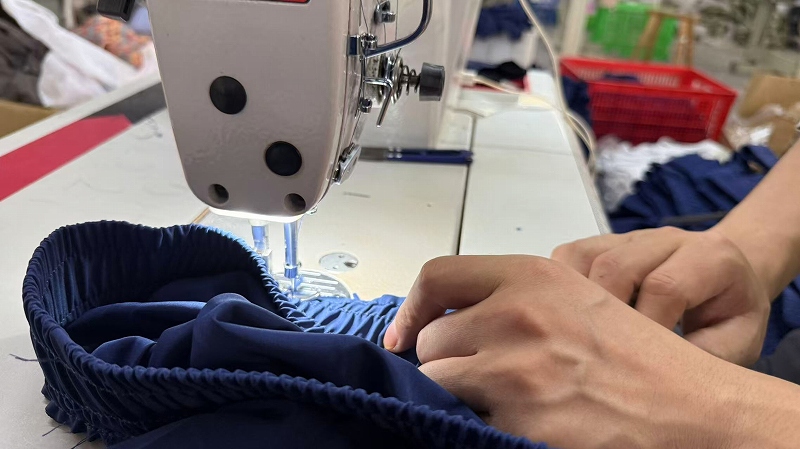
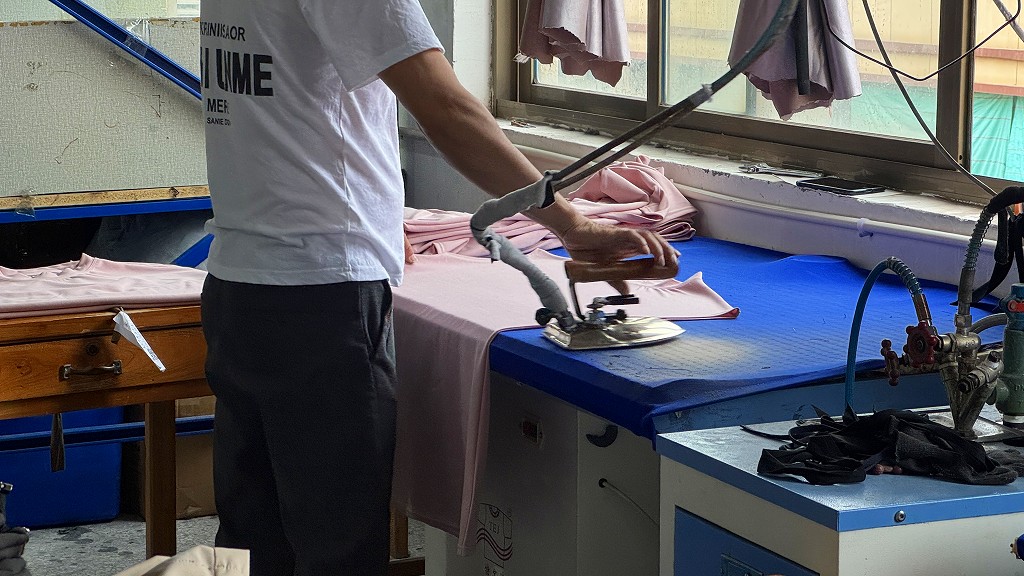
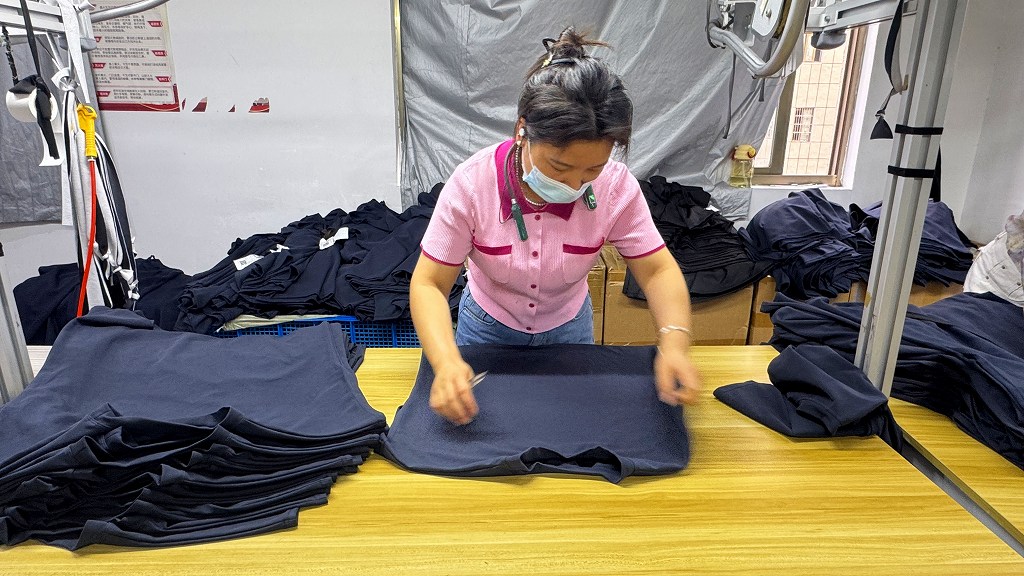
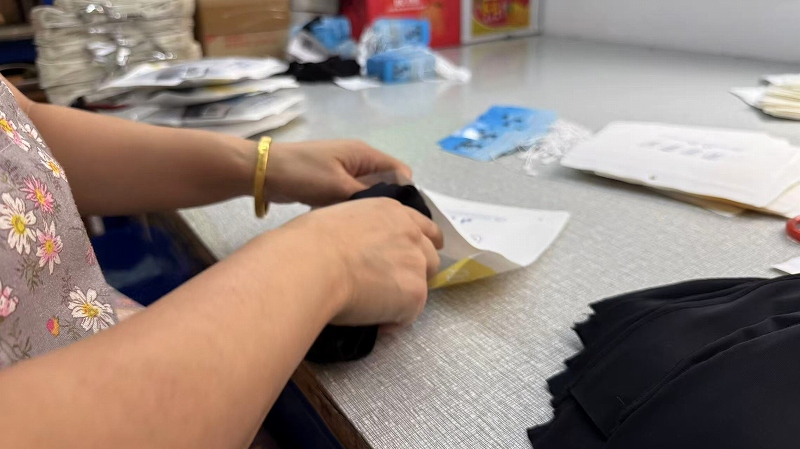
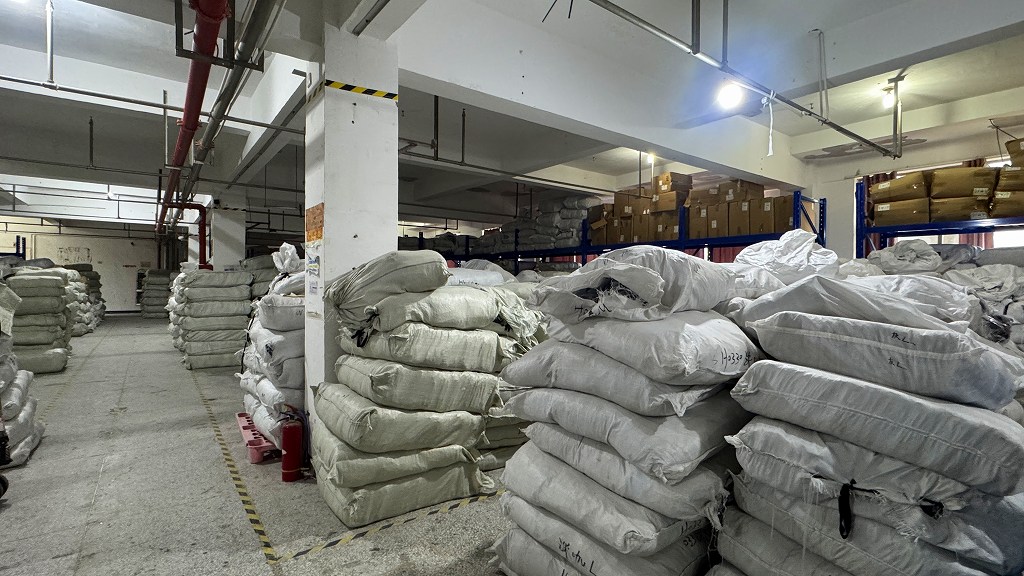
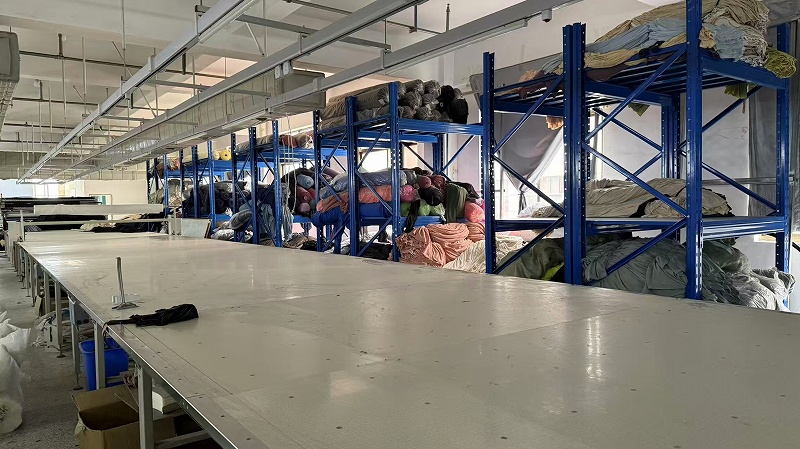
Our workshop is equipped with specialized automatic machineries to drive speed, precision, and consistency across bulk orders.
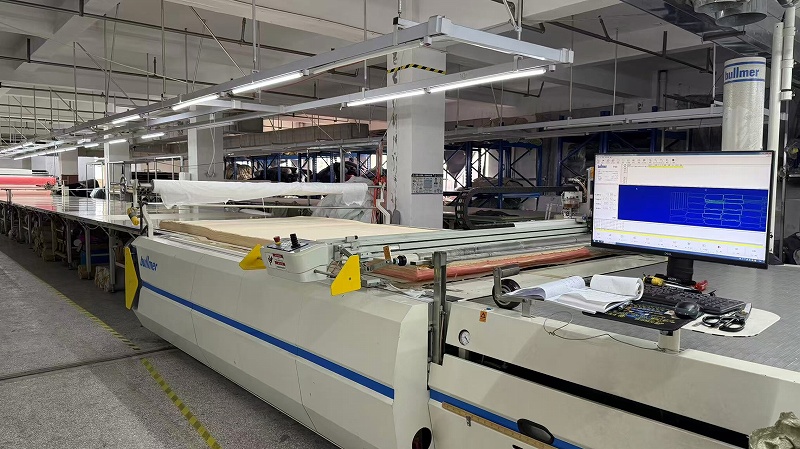
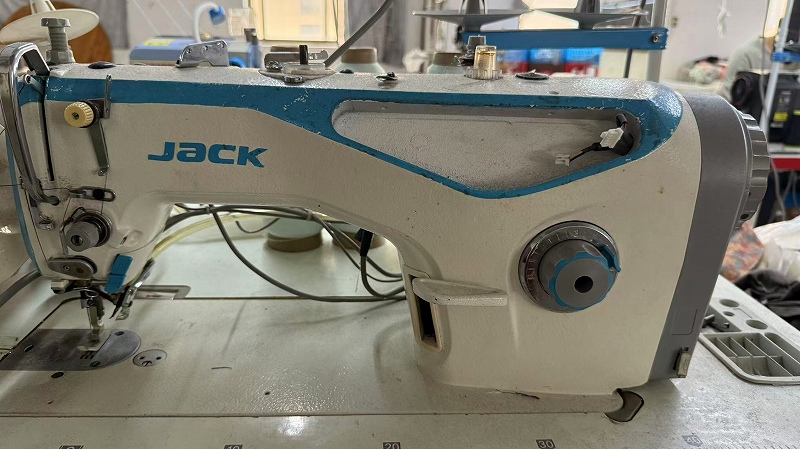
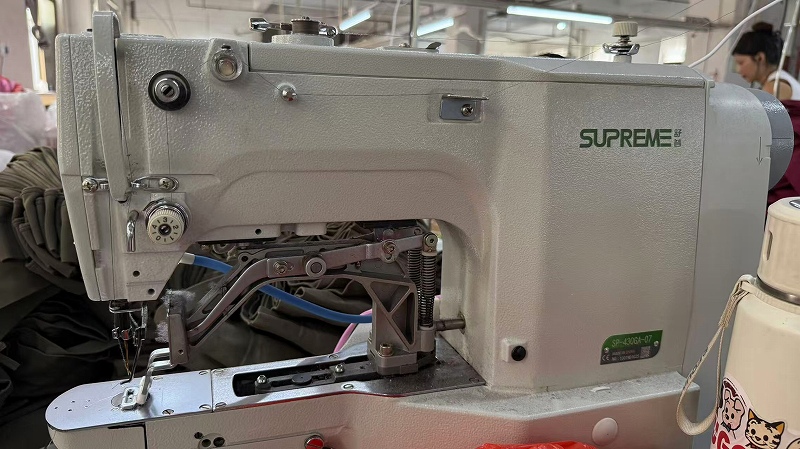
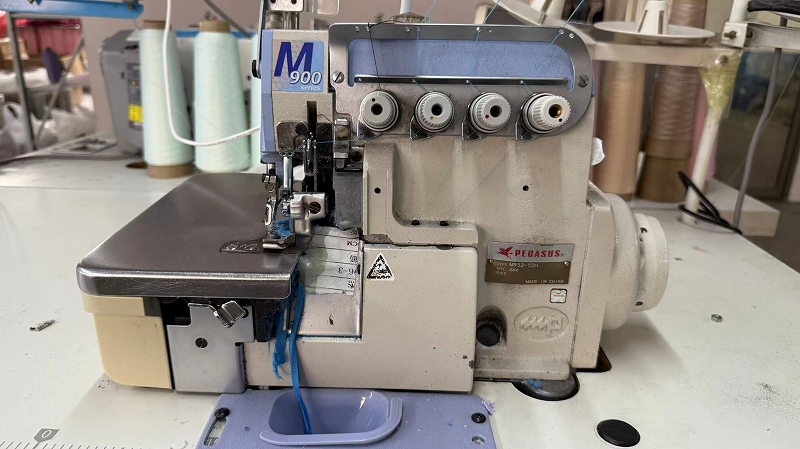
Navigating customized apparel manufacturing requires clear, step-by-step processes to avoid sizing and alignment errors. At Guangdong CGE Clothing, our design and prototyping phase is structured to ensure absolute accuracy:
We work closely with your design team to interpret tech packs, including measurement charts, seam instructions, and logo placements. If you do not have a tech pack, our ODM services can generate digital templates based on physical samples or inspiration images.
We source the ideal bamboo weight (GSM - grams per square meter) and execute custom lab dips to ensure color accuracy under multiple light conditions (D65, TL84, etc.). For bamboo blends, we carefully monitor the dyeing process to maintain a uniform color across organic cotton or spandex fibers.
A prototype is sewn using our advanced automated sewing systems. This sample allows you to evaluate the fit, tactile feel, and performance of the bamboo shirt before green-lighting the main manufacturing run.
As consumer behavior shifts and circular economic policies become law, several macro trends are impacting the bamboo shirt manufacturing landscape:
Brands now demand 100% biodegradable garments. CGE Clothing offers organic cotton sewing threads and biodegradable buttons (coconut shells or recycled wood) paired with compostable cornstarch bags to eliminate single-use plastics from the delivery process.
Historically, bamboo was confined to loungewear. Modern circular-knitting technology now allows for performance blends combining recycled nylon and bamboo, creating high-stretch, moisture-wicking shirts suitable for high-intensity training, climbing, and running.
Consumers want to scan a QR code and trace their shirt back to the bamboo forest. Chinese factories are adapting by partnering with blockchain-enabled supply chain platforms to provide full batch traceability from plantation to retail shelf.
Everything you need to know about partnering with a leading Chinese apparel manufacturer.
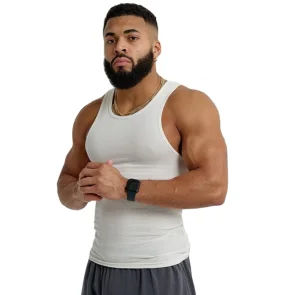
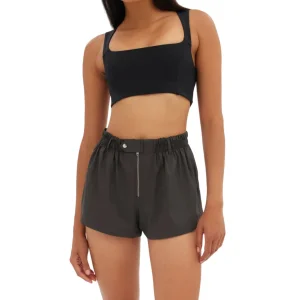
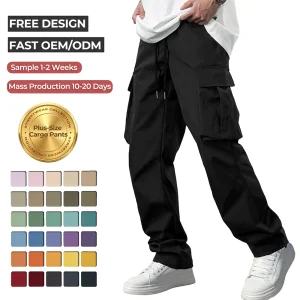
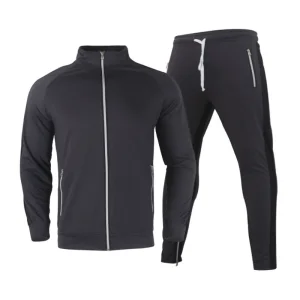
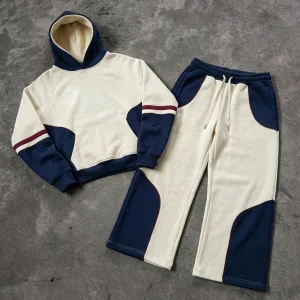
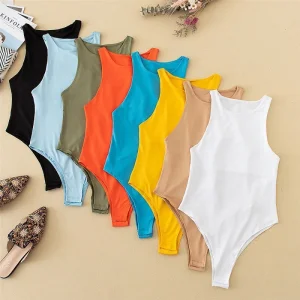
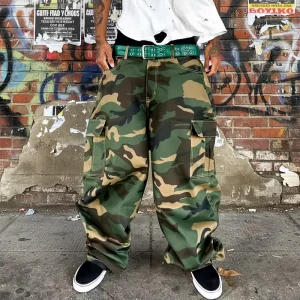
Premium quality clothing manufactured for high-performance and relaxed urban wear.

 CGE Clothing