A Comprehensive White Paper on Strategic Global Sourcing, Industrial Dynamics, and Advanced OEM/ODM Infrastructure
Engineered for global fashion brands. Premium raw materials coupled with precision manufacturing pipelines.
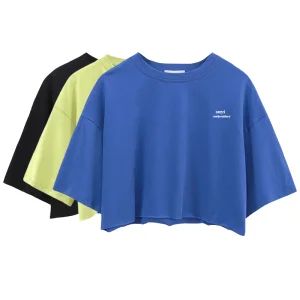
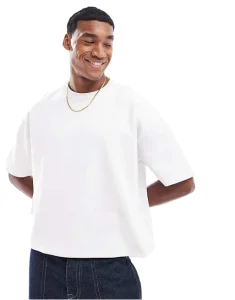
The global apparel landscape is undergoing a tectonic shift. As international fashion retailers seek the optimal balance between cost efficiency, compliance stability, and production scalability, the Bangladesh RMG (Ready-Made Garment) market has solidified its position as the premier manufacturing powerhouse for casual wear and high-volume knits. Among these categories, crop tops have transitioned from seasonal fast-fashion items to permanent mainstays of athletic, street, and casual wear portfolios worldwide.
This white paper provides an in-depth analysis of the crop top manufacturing ecosystem in Bangladesh. It explores the regional production clusters, macro supply chain dynamics, and technological integrations required to deliver premium products to global markets. We analyze how Guangdong CGE Clothing Co., Ltd. leverages a unique "Dual-Engine Sourcing Model"—combining China’s advanced fabric R&D, tech stacks, and machine infrastructure with Bangladesh's large-scale industrial efficiency—to provide unparalleled supply chain resilience for enterprise apparel brands.
Bangladesh boasts the second-largest RMG export industry globally. Key industrial zones like Dhaka, Gazipur, Narayanganj, and Chittagong host thousands of state-of-the-art facilities specializing in circular knitting. Crop tops, predominantly fabricated from single jersey, rib knit, interlock, and French terry, leverage the country's extensive infrastructure for spun cotton yarns.
The concentration of cotton-spinning mills and dye houses in Narayanganj allows for immediate processing of standard knit structures. Furthermore, the duty-free market access (GSP/EBA) granted by the European Union, Canada, and various Asia-Pacific nations makes Bangladesh a highly cost-effective departure port for volume buyers seeking tariff mitigation.
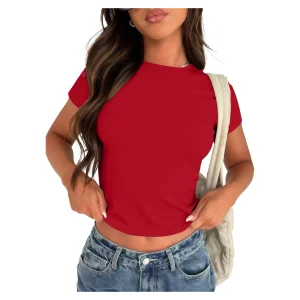
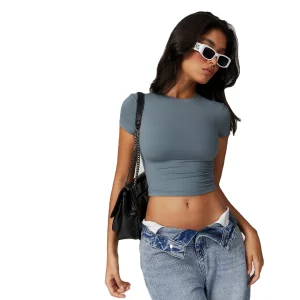
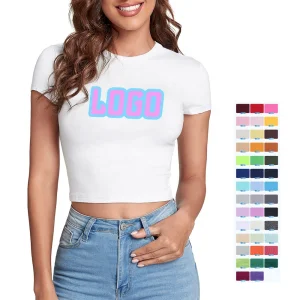
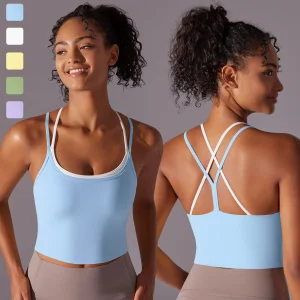
While local cotton knit production is highly efficient, Bangladesh historically faces constraints in high-stretch elastane blends, complex garment washes (such as high-level acid washes), and specialized trims. This is where cross-border technical partnerships become crucial for brands requiring high-fashion Y2K baby tees or specialized cross-back padded yoga crop bras.
The modern consumer demands versatility. Crop tops have evolved from pure activewear or basic underwear into central components of capsule wardrobes. Manufacturers must adapt to three key industry-shifting trends:
Crop tops must now perform. Consumers expect moisture-wicking coatings, 4-way stretch nylon-spandex blends, and anti-odor features. Traditional basic crop factories must implement interlock knitting machines and flatlock stitching to avoid friction during high-intensity training.
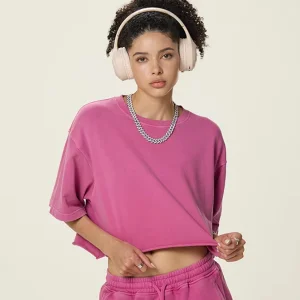
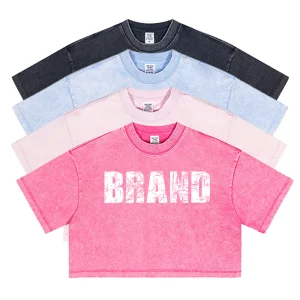
Streetwear-focused brands demand heavy weight fabrics (230gsm and above) paired with complex pigment washes and acid-wash techniques to create worn, vintage aesthetics. This requires specialized wash houses with advanced eco-filtering to manage effluent outputs responsibly.
GOTS-certified organic cotton, Better Cotton Initiative (BCI) inputs, and Global Recycled Standard (GRS) polyester are no longer optional. Supply chains must provide full transaction certificates (TC) tracking the fiber from farm to final packaging.
Sourcing directly from South Asia presents complex operational hurdles. Major fashion companies face common challenges, including:
Guangdong CGE Clothing Co., Ltd. is a professional sportswear and apparel manufacturer specializing in premium OEM, ODM, and private label solutions for brands worldwide. With years of industry experience and a strong manufacturing foundation, we provide high-quality customized apparel that combines innovative design, advanced production technology, and strict quality control.
Our product range covers activewear, yoga wear, gym wear, fitness apparel, running wear, training wear, athleisure, outdoor clothing, and functional sports garments for men, women, and children. From fabric development and pattern making to sampling, bulk production, packaging, and global delivery, we offer comprehensive one-stop manufacturing services that help brands bring their ideas to market efficiently.
At CGE Clothing, we believe that every successful brand deserves a reliable manufacturing partner. By integrating flexible production capabilities, modern equipment, experienced technical teams, and efficient supply chain management, we enable our clients to reduce production complexity, improve product consistency, and accelerate business growth in today's competitive apparel industry.
At CGE Clothing, quality, innovation, and partnership are at the heart of everything we do. We continuously invest in advanced manufacturing technologies, skilled craftsmanship, and sustainable production practices to ensure every garment meets international quality standards and customer expectations.
Our experienced team understands the evolving needs of the global sportswear market and is dedicated to helping brands respond quickly to changing trends while maintaining consistent product quality.
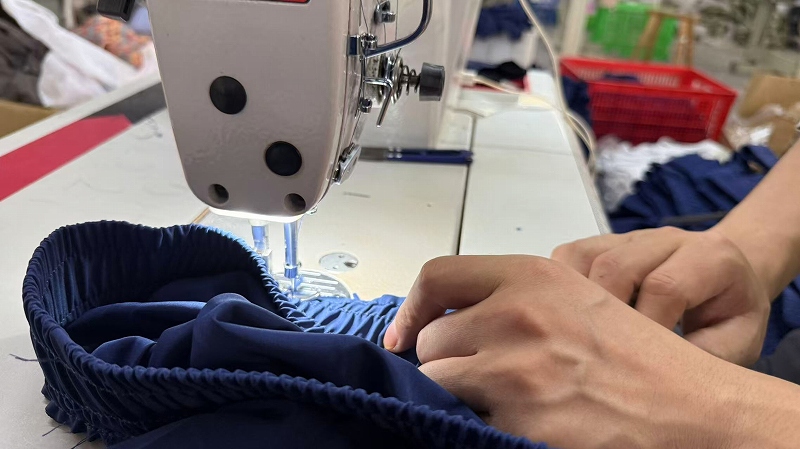
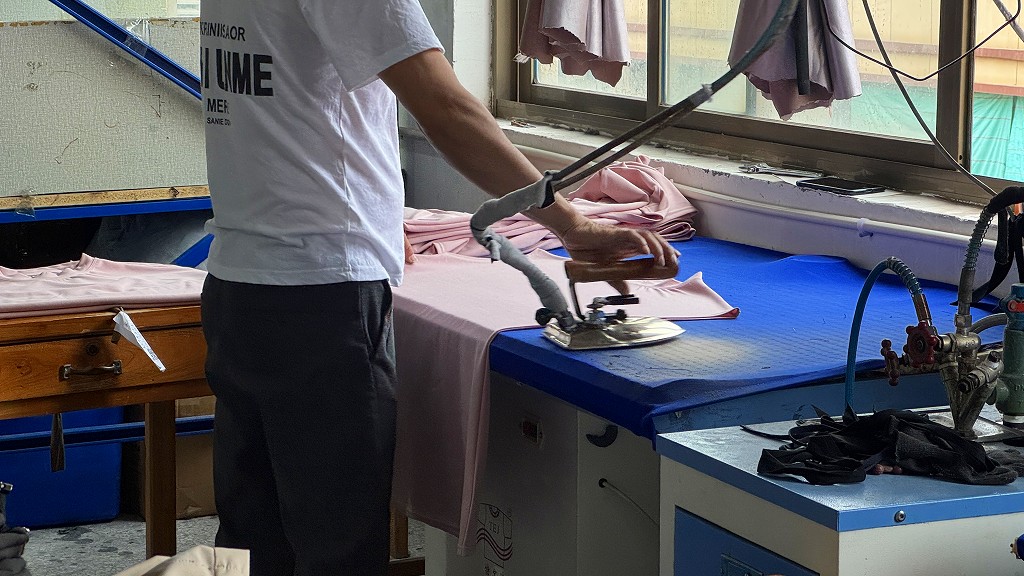
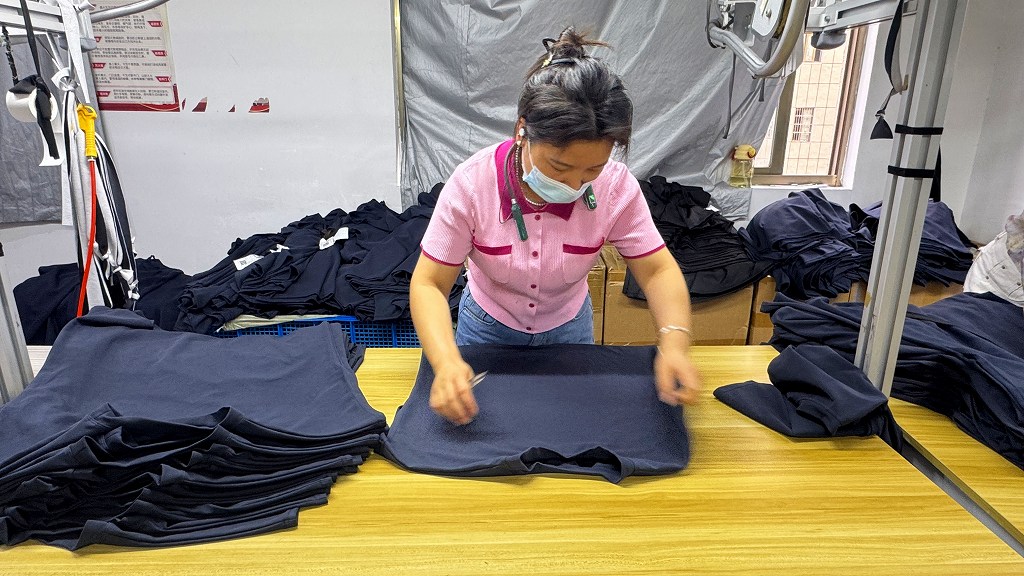
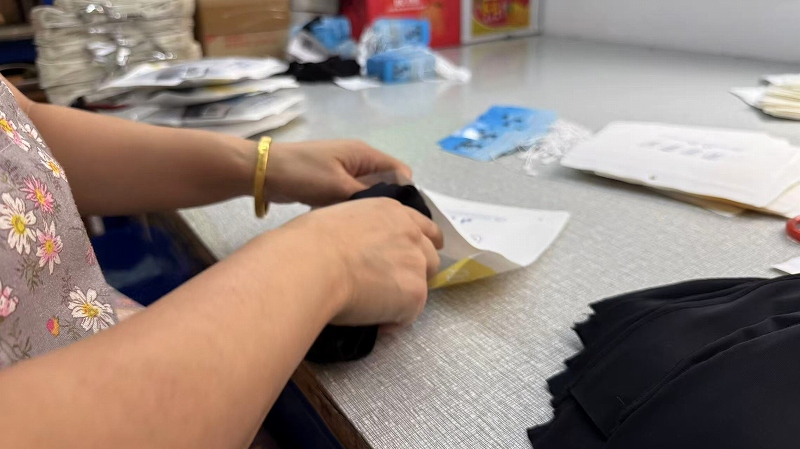
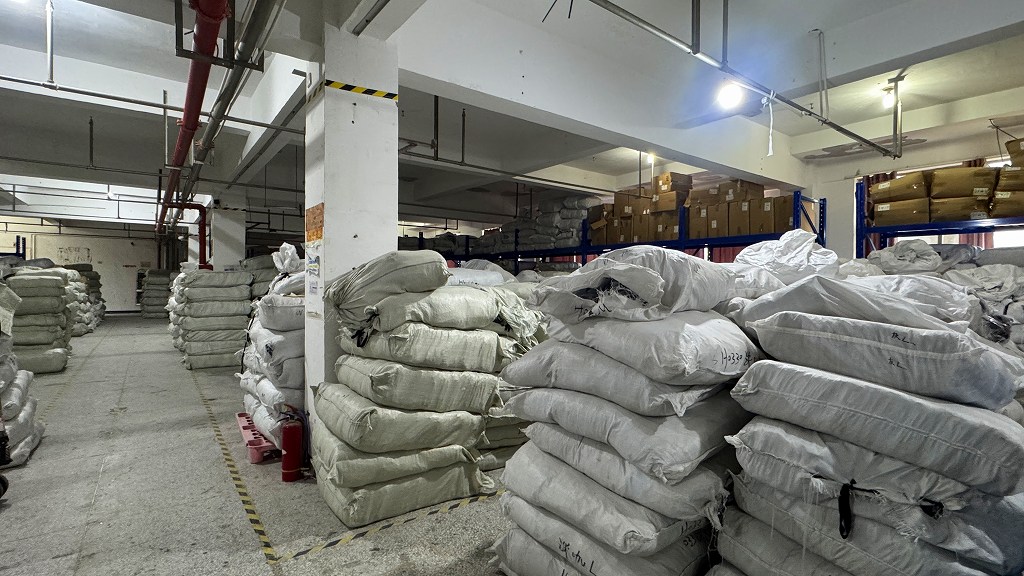
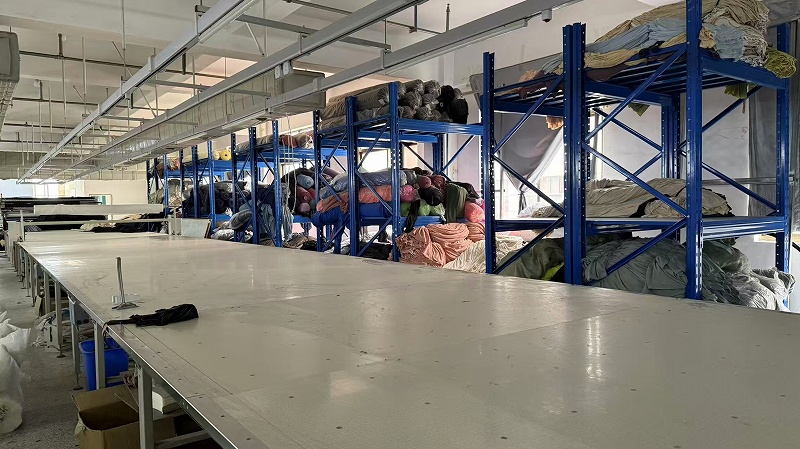
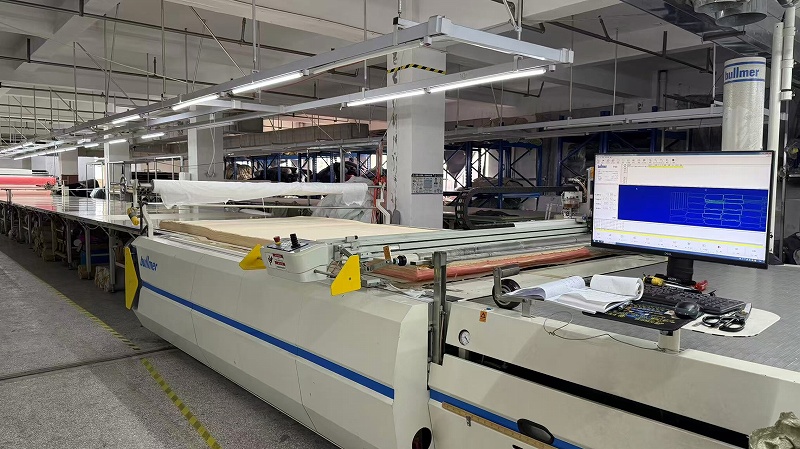
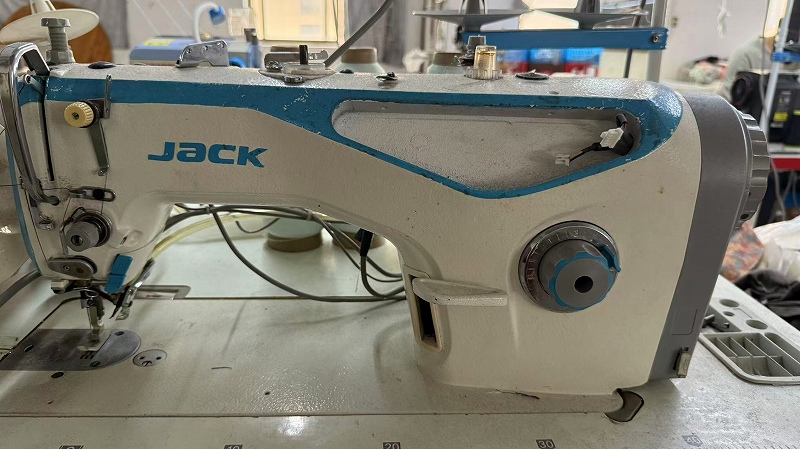
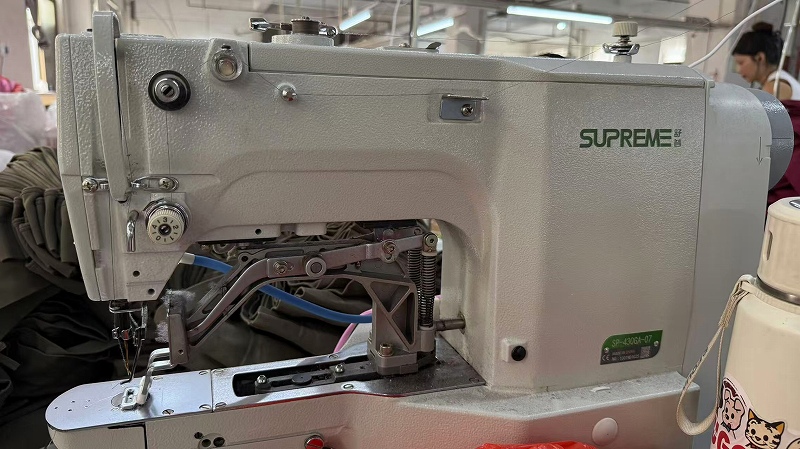
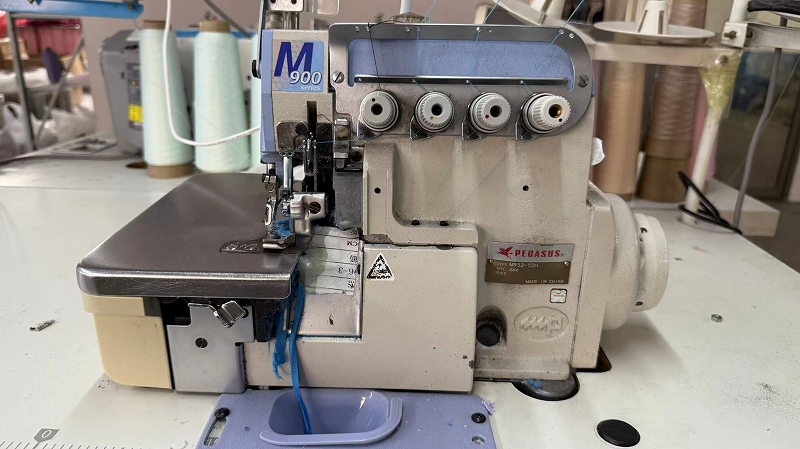
Precision execution requires advanced machinery. CGE Clothing employs state-of-the-art technology across our production lines. Below is our standardized workflow, illustrating our capacity to maintain consistency from raw materials to final cargo loading:
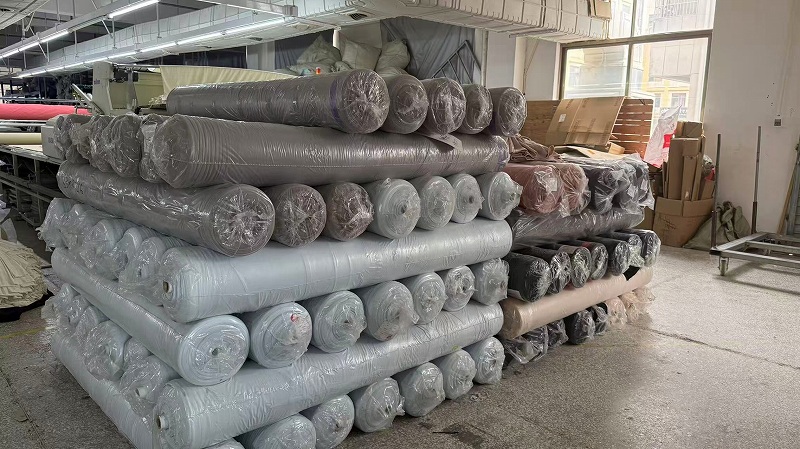
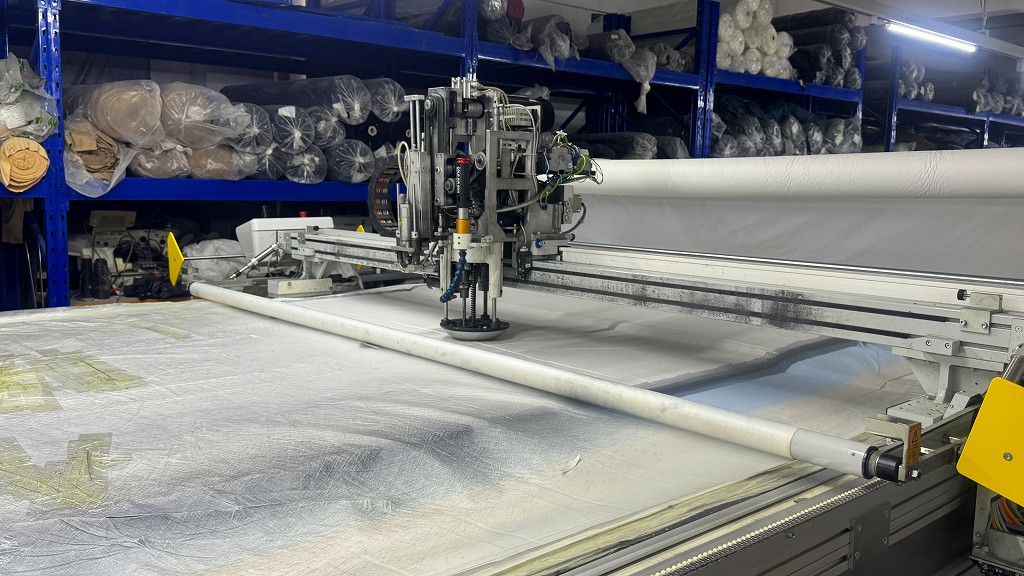
As we look toward 2030, the apparel supply chain will prioritize digitalization and circularity. CGE Clothing is actively rolling out technologies to streamline operations for global partners:
Partner with an industry leader. Access advanced fabric R&D, compliant factories, and scalable manufacturing tailored for global brands.
Send Inquiry NowExplore our diverse product lines, featuring streetwear-inspired vintage tees, sports activewear, and daily basics.
 CGE Clothing