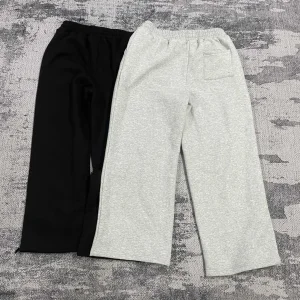

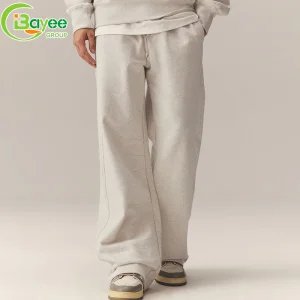
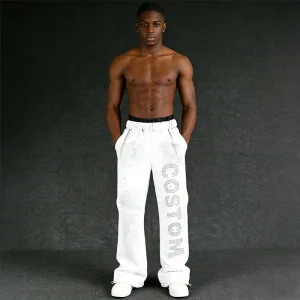
Sweden’s athleisure and apparel industry is currently experiencing a profound transformation. Driven by the twin engines of uncompromising functional design and strict environmental regulations, modern Swedish consumer choices are heavily geared toward sustainability and durability. From Stockholm’s fashion-forward streetwear districts to Kiruna's arctic outdoor training environments, joggers have transitioned from basic activewear to core wardrobe items.
Swedish brands, however, face major domestic manufacturing limitations. With high labor costs, strict zoning regulations, and a relative shortage of vertical textile mills in Scandinavia, local fashion brands, corporate merch providers, and gym chains are looking abroad. Sourcing managers in Stockholm, Gothenburg, and Malmö are tasked with finding partners who can balance strict European REACH compliance, GOTS (Global Organic Textile Standard), and OEKO-TEX® Standard 100 certifications with cost efficiencies and high manufacturing throughput.
The Nordic climate dictates the material specification requirements. A Swedish consumer demands warm fleece garments (typically ranging between 360gsm to 450gsm heavyweight cotton) to handle sub-zero autumn and winter commutes, alongside highly breathable, moisture-wicking synthetic and organic cotton blends for indoor winter gym sessions. Our production lines cater specifically to these requirements by developing heavy brushed French Terries and performance fabric structures engineered to survive harsh Scandinavian weather, washing cycle after washing cycle.
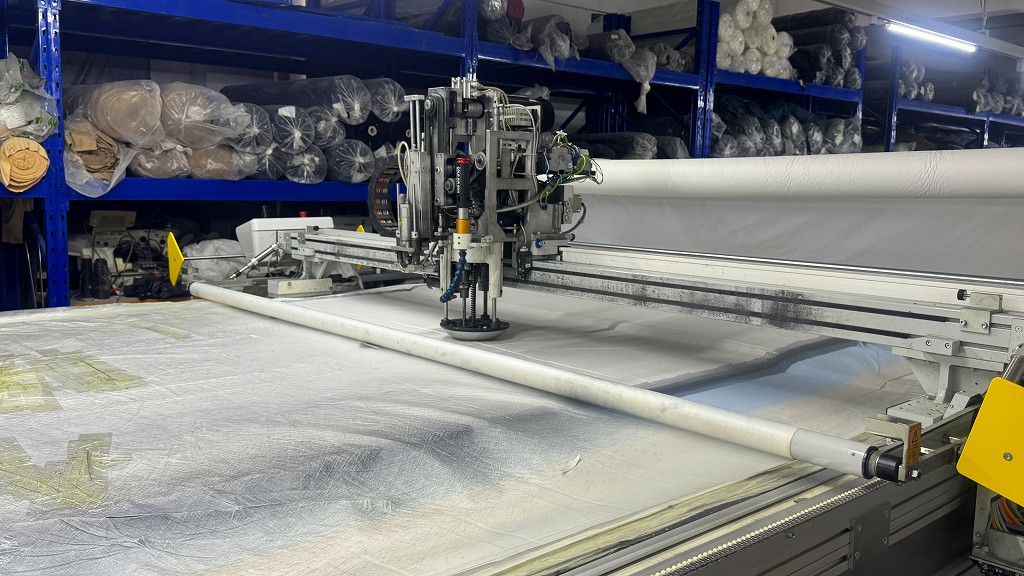
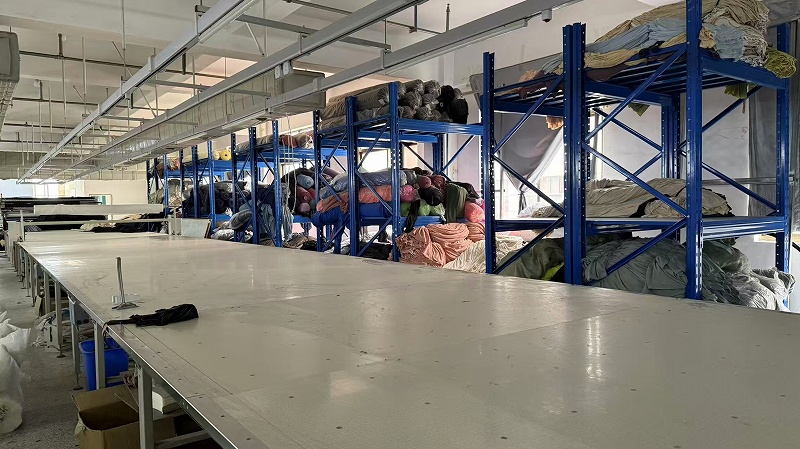
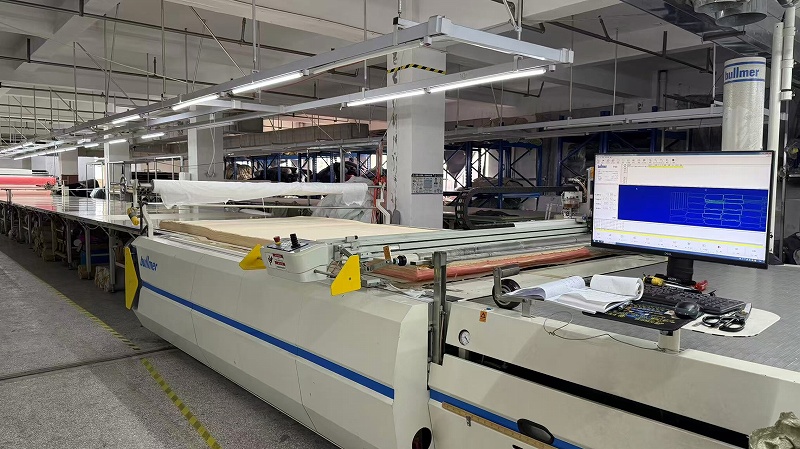
Over the last decade, smart apparel factories in Guangdong have redefined global garment manufacturing. As a leading manufacturer based in this manufacturing hub, Guangdong CGE Clothing Co., Ltd. has adopted an Industry 4.0 infrastructure to mitigate supply chain volatility. By replacing traditional, error-prone manual setups with digital pattern systems and computer-guided cutting technologies, we ensure that every dimension in your tech pack translates precisely to the final fabric pattern.
For Swedish importers worried about high freight costs and long transit times, efficiency at the origin is crucial. Our smart hanging system dynamically routes cut panels to different sewing tables based on machine utilization. This shortens the production lifecycle, allowing Swedish brands to receive their custom orders weeks faster than conventional factories can achieve. This agility enables our customers to operate lean inventories, reducing financial holding costs and reducing the risk of unsold stock at the end of the season.
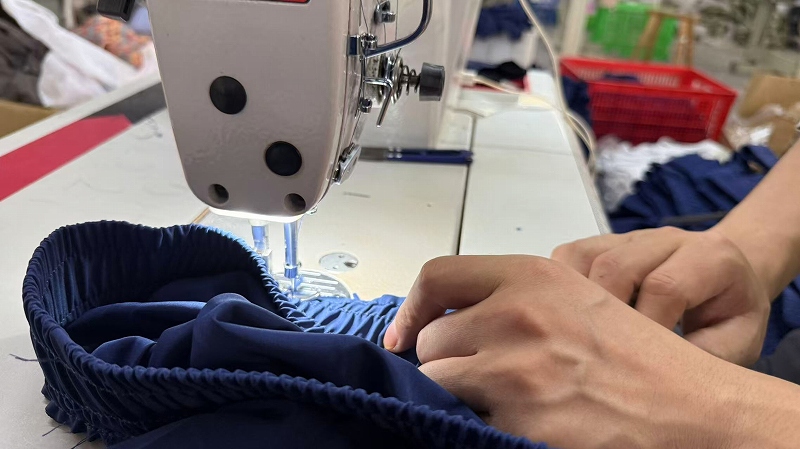
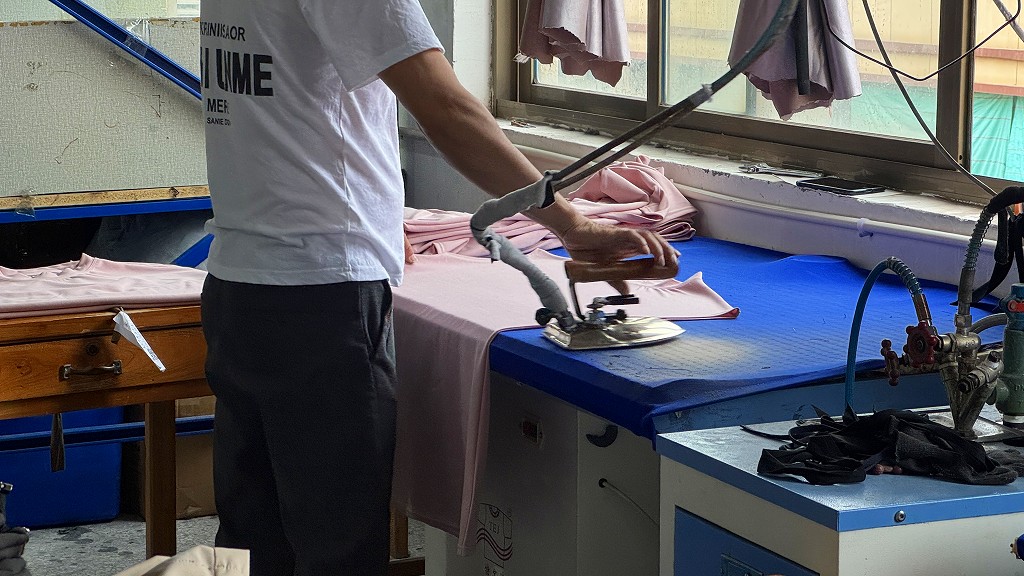
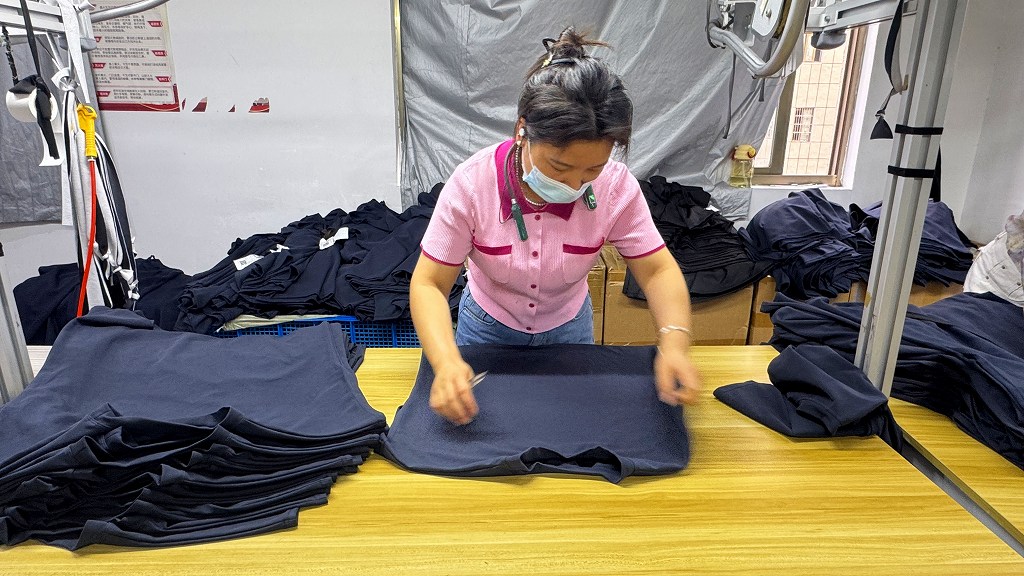
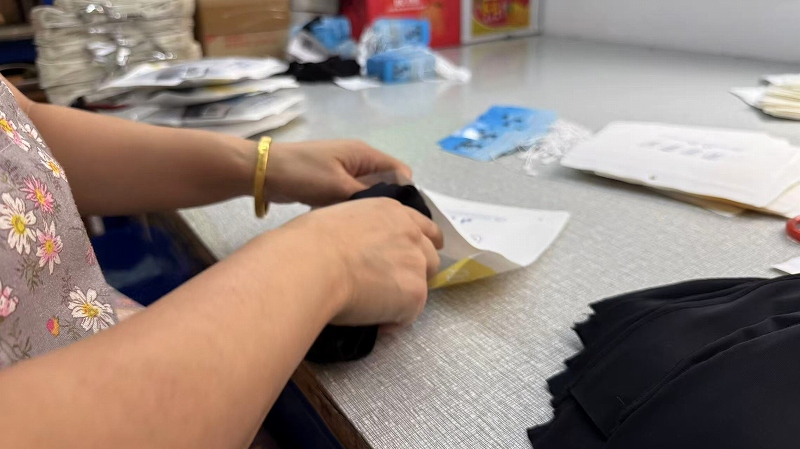
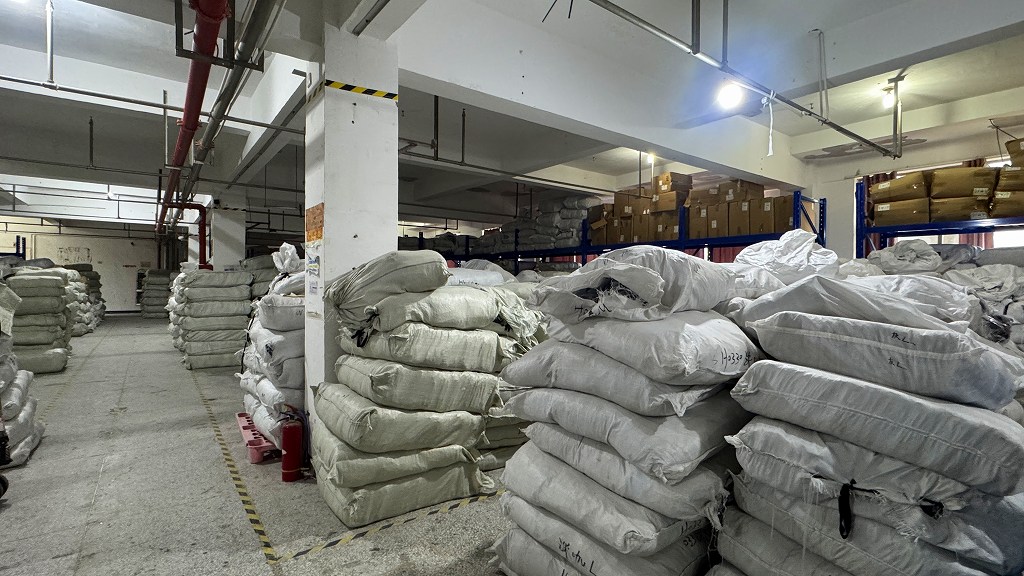
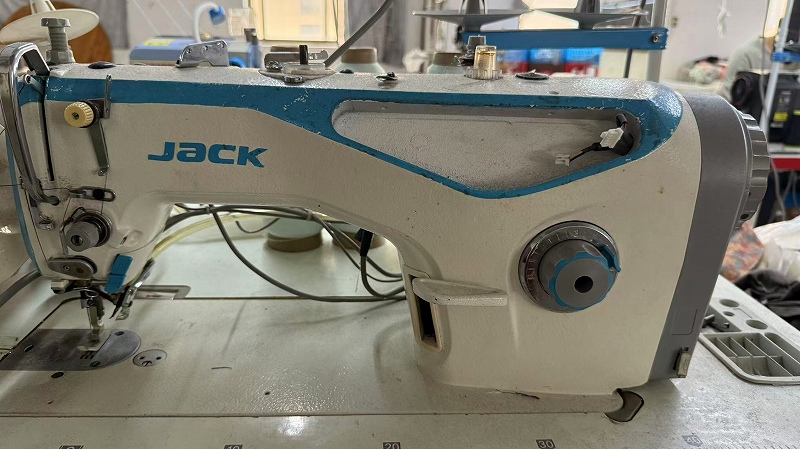
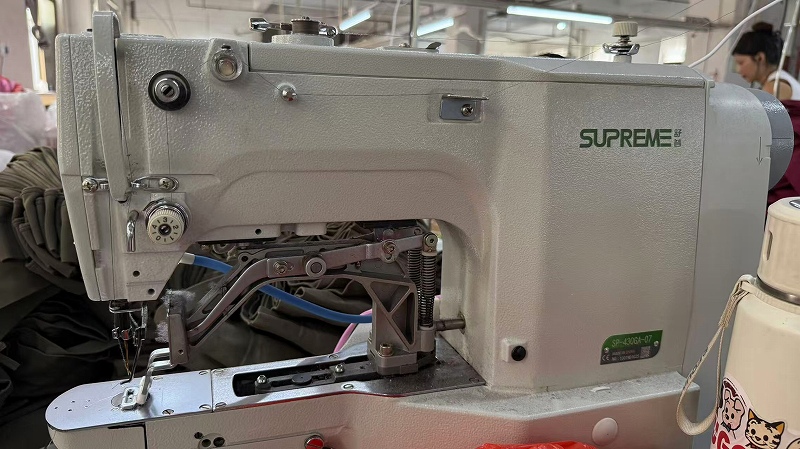
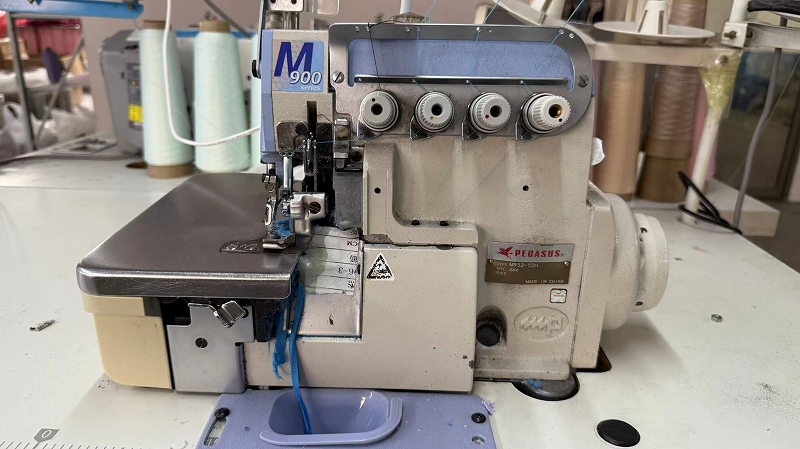
We offer robust, fully integrated apparel solutions. From fabric R&D to automated cutting, specialized stitching (including overlock and bartack reinforcements), custom printing/embroidery, and comprehensive quality assurance, we handle the entire process in-house. Our facilities are designed to meet the strict quality standards expected by premium Swedish streetwear and sports apparel retailers.
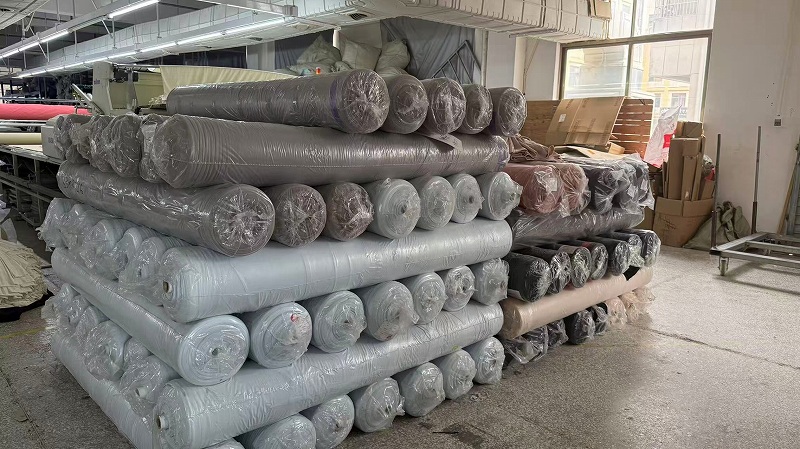
When Swedish brands source joggers, the primary technical point of failure is often the fabric selection. A garment's durability, touch, drape, and colorfastness are determined at the knitting stage. Let's look at the key specifications every sourcing manager must define:
For Sweden's transitional autumn/winter collections, we recommend a minimum of 380gsm to 420gsm. Heavyweight French Terry or brushed fleece provides natural thermal insulation while maintaining the structured, premium silhouette required in contemporary streetwear. For spring/summer activewear lines, a 280gsm to 320gsm organic cotton-polyester blend ensures comfort and breathability.
While 100% organic cotton offers unmatched soft feel, incorporating 20-30% high-grade polyester yarn increases tensile strength, minimizes shrinkage, and helps prevent "knee bagging" (the fabric stretching permanently at the knees after extended wear). Recycled polyester (rPET) blended with GOTS-certified organic cotton is the most sought-after blend for Swedish private label brands aiming to align with local environmental values.
Achieving vintage, washed-down finishes like "acid wash" or "sun-faded" looks requires controlled ozone washing and enzyme treatment. These eco-friendly techniques minimize water usage, comply with EU environmental standards, and produce soft-feel garments with unique coloration.
Exporting apparel from China to Sweden requires an efficient and reliable logistics workflow. We collaborate with top maritime and air shipping lines to offer multiple transit options:
For volume shipments, sea freight routes from Shenzhen or Guangzhou ports to the Port of Gothenburg (Sweden's largest port) provide the most economical pricing. For time-sensitive product drops, our air cargo channels deliver to Stockholm Arlanda Airport in 5-7 business days, including customs clearance processing. We manage all documentation, including export declarations and certificates of origin, ensuring your imports clear Swedish Customs without delay.
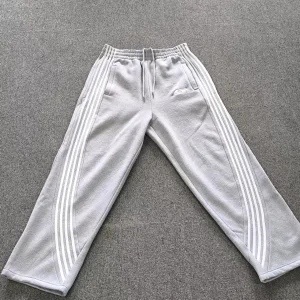
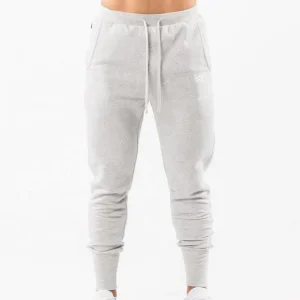
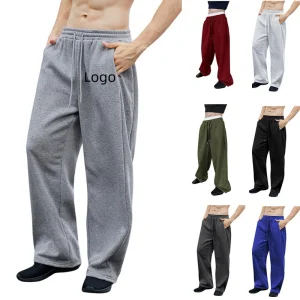
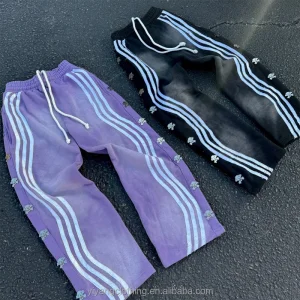
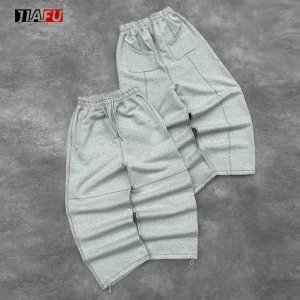
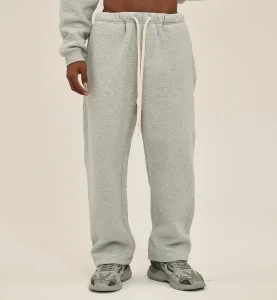
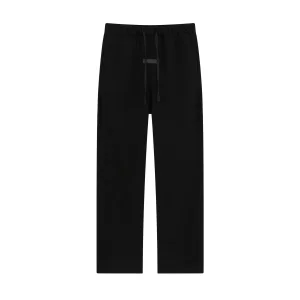
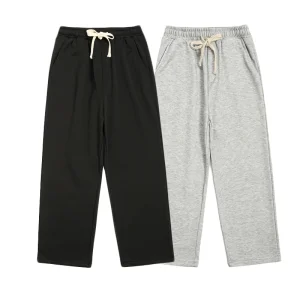
Accelerate your design cycle, scale your inventory efficiently, and offer your Swedish or global customers premium, climate-resilient athleisure products. Speak directly with our production engineers today.
Send Inquiry Now CGE Clothing