Novosibirsk buyers need a manufacturing partner that can move from concept to bulk without sacrificing fabric handfeel, fit consistency, decoration quality or compliance documentation. These four tank top programs are highly relevant to local gyms, fitness studios, outdoor retailers, university sports clubs, promotional distributors and private-label activewear brands because they combine commercial scalability with customization.


Novosibirsk is not only the largest city in the Siberian Federal District but also one of Russia’s most important scientific, educational, industrial and logistics hubs. Akademgorodok gives the city a dense research and university culture, while the Trans-Siberian Railway, Tolmachevo transport corridor and regional distribution networks make Novosibirsk a practical entry point for brands serving Siberia and neighboring markets. For apparel sourcing teams, this creates a distinctive demand profile: consumers understand performance clothing, institutions order uniforms and event merchandise in planned cycles, and retailers need styles that can move from heated indoor training spaces to cool outdoor conditions without looking purely seasonal.
In this environment, tank tops function across several use cases. Gyms and fitness studios need moisture-managed, shape-retaining tank tops that can survive frequent washing. Outdoor and travel retailers prefer lightweight base layers that fit smoothly under fleece, hoodies and technical shells. University sports clubs and corporate buyers require consistent sizing, dependable decoration and repeatable color matching. E-commerce sellers, meanwhile, need sharp visual differentiation, low-risk launch quantities and reliable restock planning. That is why an effective Novosibirsk tank top program should combine climate-aware fabric selection with local labeling, size-chart clarity and export-ready documentation.
The local commercial opportunity also extends beyond pure sportswear. Novosibirsk has a strong culture of indoor fitness, winter sports, academic events, retail marketplaces and promotional merchandise. A tank top supplier serving Novosibirsk should therefore think in assortments, not isolated SKUs: a lightweight running tank top for indoor cardio; a heavyweight cotton gym tank for strength training; a soft ribbed tank for women’s athleisure; a relaxed drop-arm tank for studio-to-street wear; and a plus-size blank program for distributors and corporate printers.
A successful tank top manufacturing solution for Novosibirsk should solve four macro problems at the same time: climate adaptation, brand differentiation, supply reliability and compliance readiness. The most competitive programs treat these as one connected system rather than separate purchasing steps.
Select cotton, modal, polyester, spandex blends, rib knits, mesh and quick-dry constructions based on end use. For Siberian indoor training, prioritize breathability, smooth layering, low pilling and dimensional stability after repeated washing.
Adjust grading for local retail expectations, including relaxed gym fits, women’s ribbed slim fits, plus-size blanks and youth or unisex institutional programs. Russian-language size charts reduce returns and improve sell-through.
Support screen printing, heat transfer, sublimation, embroidery, woven labels, printed care labels, barcode tickets and polybag labels. Decoration must be tested for stretch, washing and packing compatibility.
Balance low-MOQ launch needs with bulk efficiency. Use stock fabrics for faster market tests, then plan dyed lots, lab dips and trim bookings for repeat programs with stable color continuity.
For Novosibirsk, the most resilient tank top assortment is usually modular. A retailer can anchor the range with a proven rib knit tank, a performance running tank and a heavyweight cotton gym tank, then add fashion details such as lace trim, raw-edge hems, square necklines, racer backs or built-in-bra constructions. This approach improves information gain for buyers: each style has a clear use case, target consumer and sourcing rationale rather than being a generic catalogue item. It also helps distributors forecast fabric consumption and pack sizes more accurately.
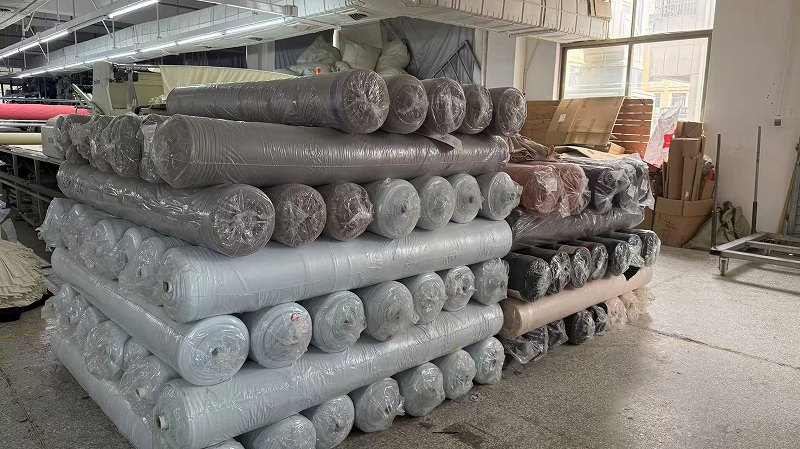
Macro solutions should also account for the full chain: yarn and fabric inspection, shrinkage and colorfastness testing, pattern grading, sample approval, cutting, sewing, bartacking, overlocking, ironing, quality control, packing and warehouse consolidation. When all of these steps are managed under one coordinated manufacturing structure, brands reduce communication loss, shorten the sample-to-bulk learning curve and gain stronger cost visibility.
The next stage of tank top sourcing will not be won by simply offering more colors. It will be won by manufacturers that can connect digital product development, material science, cold-climate logistics and compliance documentation into a repeatable route map.
Use structured tech packs, measurement charts, artwork files, construction notes and approved lab dips to reduce sampling ambiguity. Clear product data improves speed and protects consistency across repeat orders.
Build a fabric library for quick-dry jersey, seamless mesh, cotton-modal blends, 230g–250g heavyweight cotton and stretch rib knits, with test data for shrinkage, colorfastness and stretch recovery.
Validate cartons, polybags, labels, hangtags and adhesives for long-distance rail and road transport. Winter logistics planning should include moisture control, load planning and packaging integrity checks.
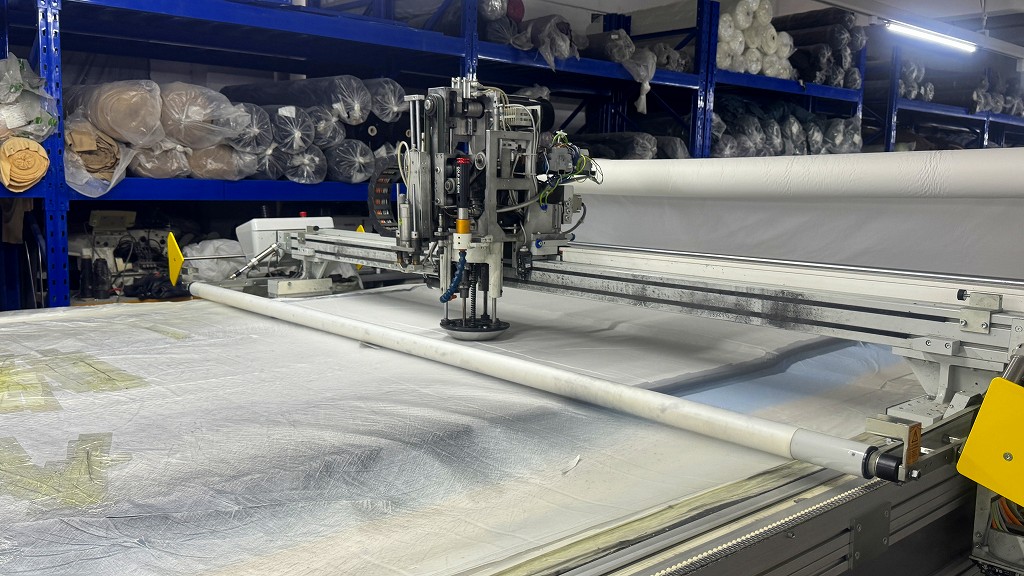
Connect automatic cutting, machine routing, QC records and packing lists to batch-level production data. Digitized traceability supports faster issue resolution and stronger audit readiness.
Looking ahead, we expect Novosibirsk-facing apparel programs to move toward smaller, more frequent replenishment cycles, localized Russian-language packaging and stronger demand for recycled or lower-impact materials. Brands will increasingly compare suppliers not only on price per piece, but also on fabric traceability, documentation speed, packaging accuracy and ability to support marketplace-ready SKUs. There is also a clear opportunity for micro-warehousing strategies: initial production can be consolidated in China, while future regional stock planning may use practical reorder triggers for fast-selling colors and sizes.
Technology will continue to reshape the route map. Digital specification libraries, automated cutting, machine-coded quality checks and barcode-controlled warehouse operations reduce human error. At the same time, consumer expectations around comfort, size inclusivity and sustainability will require manufacturers to test more blends, improve care-label clarity and document material claims carefully. The winning future supplier will be the one that can translate these trends into production-ready decisions for each Novosibirsk buyer.
Sourcing for Novosibirsk requires more than sending a size chart in English. Buyers need practical localization support across labels, packaging, documents and logistics so that products arrive ready for local retail, distribution or marketplace listing.
Composition, care instructions, size information, country of origin and importer details can be prepared according to the approved SKU data and buyer specifications, with final wording reviewed before bulk production.
Where applicable, apparel may require compliance steps under EAEU technical regulations such as TR CU 017/2011. The final declaration or certification route should be confirmed per product, fabric and importer arrangement.
Support carton planning, packing lists, barcode labels and shipment consolidation for air, rail or road corridors through hubs such as Tolmachevo and major Trans-Siberian routes, subject to the selected incoterm and forwarder plan.
Prepare commercial invoice, packing list, material or test reports where available, inspection records and shipment photos. These documents help buyers manage customs communication and retail receiving requirements.
Localization also affects product design. For Novosibirsk retailers, hangtags and labels should be legible in Russian, size charts should correspond to the approved measurement method, and carton marks should match the warehouse or distributor’s receiving system. For marketplace sellers, polybag labels, barcodes and SKU logic become critical because a single incorrect sticker can delay intake. For gyms and corporate buyers, packaging clarity and size sorting can be just as important as fabric quality.
Compliance should be treated as a pre-production workstream, not a last-minute export task. Before bulk production, the buyer and manufacturer should confirm product classification, label wording, fiber content tolerance, care symbols, test requirements and any documentation needed by the importer. This disciplined approach protects both the brand and the distributor while making repeat orders faster.
Guangdong CGE Clothing Co., Ltd. is a professional sportswear and apparel manufacturer specializing in premium OEM, ODM, and private label solutions for brands worldwide. With years of industry experience and a strong manufacturing foundation, we provide high-quality customized apparel that combines innovative design, advanced production technology, and strict quality control.
Our product range covers activewear, yoga wear, gym wear, fitness apparel, running wear, training wear, athleisure, outdoor clothing, and functional sports garments for men, women, and children. From fabric development and pattern making to sampling, bulk production, packaging, and global delivery, we offer comprehensive one-stop manufacturing services that help brands bring their ideas to market efficiently.
At CGE Clothing, we believe that every successful brand deserves a reliable manufacturing partner. By integrating flexible production capabilities, modern equipment, experienced technical teams, and efficient supply chain management, we enable our clients to reduce production complexity, improve product consistency, and accelerate business growth in today's competitive apparel industry.
At CGE Clothing, quality, innovation, and partnership are at the heart of everything we do. We continuously invest in advanced manufacturing technologies, skilled craftsmanship, and sustainable production practices to ensure every garment meets international quality standards and customer expectations.
Our experienced team understands the evolving needs of the global sportswear market and is dedicated to helping brands respond quickly to changing trends while maintaining consistent product quality.
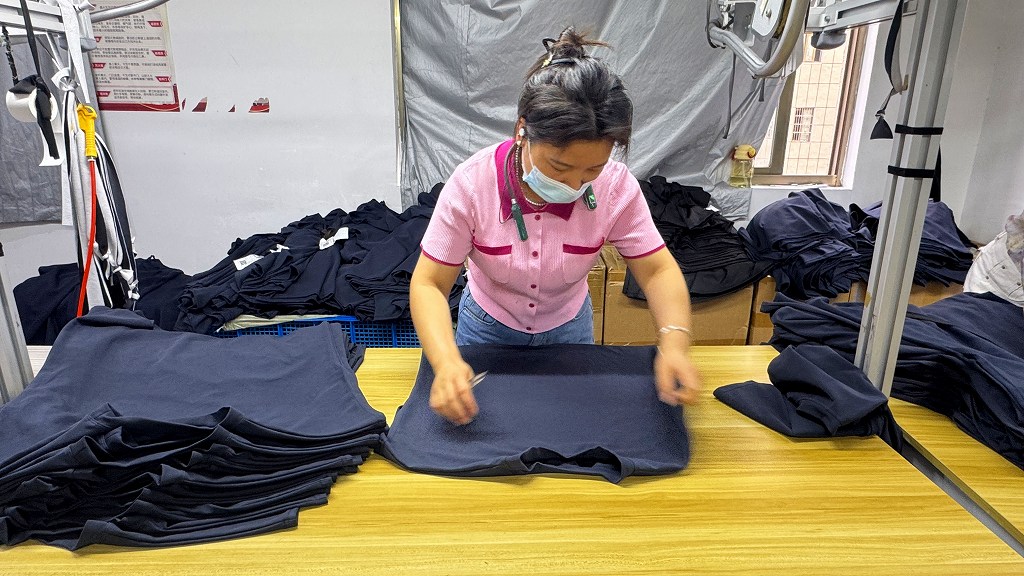
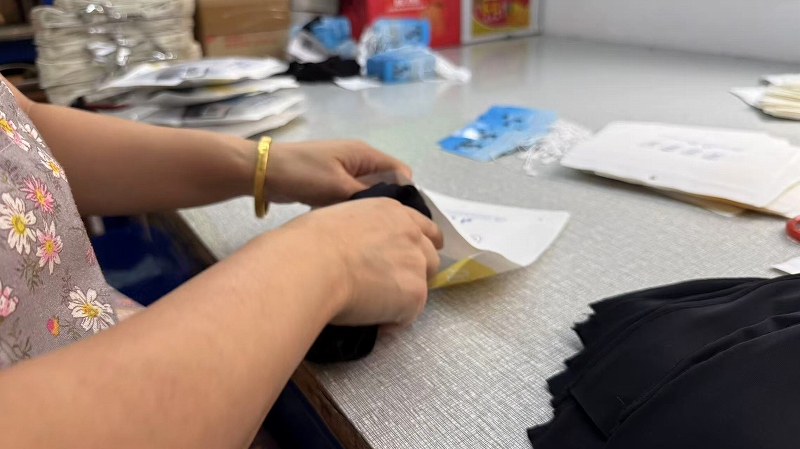
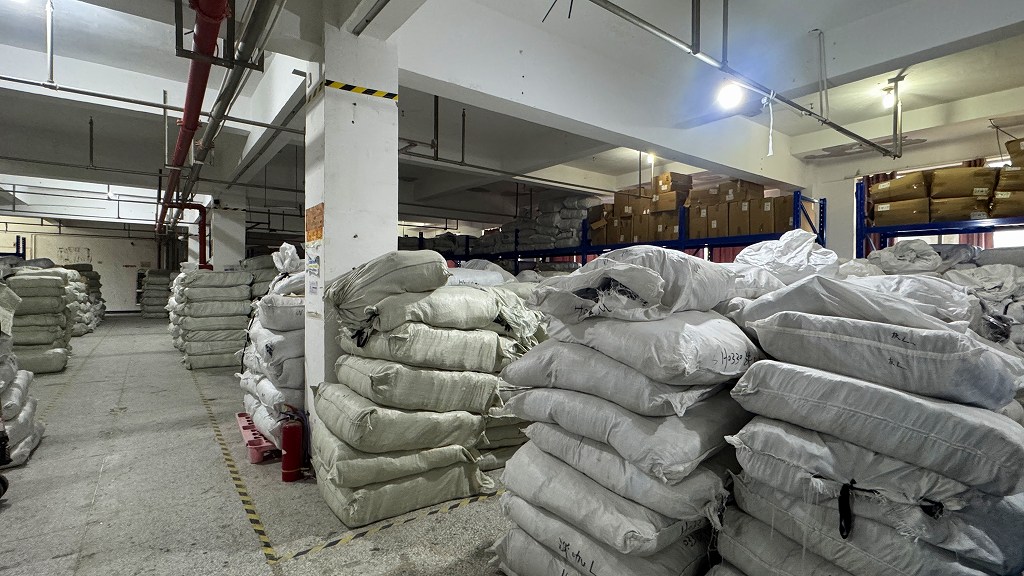
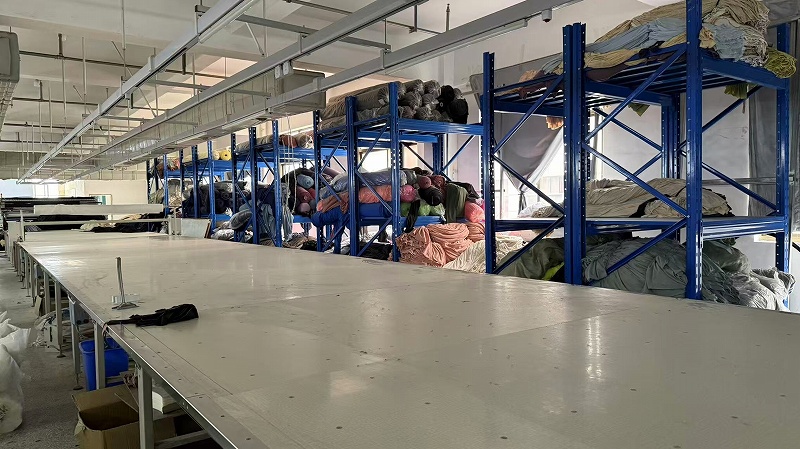
China Factory 4.0 is not only about automation; it is about coordinating people, equipment, materials and data so that a buyer in Novosibirsk receives fewer surprises. CGE Clothing combines modern cutting, sewing, bartack, overlock, ironing, quality control, packing and warehouse processes with a flexible supply chain for fabrics, trims, labels and packaging. This structure helps absorb demand fluctuations, reduce production bottlenecks and keep specifications consistent from sample to bulk. For brands selling in Siberia, resilience means the ability to plan around long transport distances, seasonal peaks, marketplace replenishment and multi-SKU orders without losing visibility.
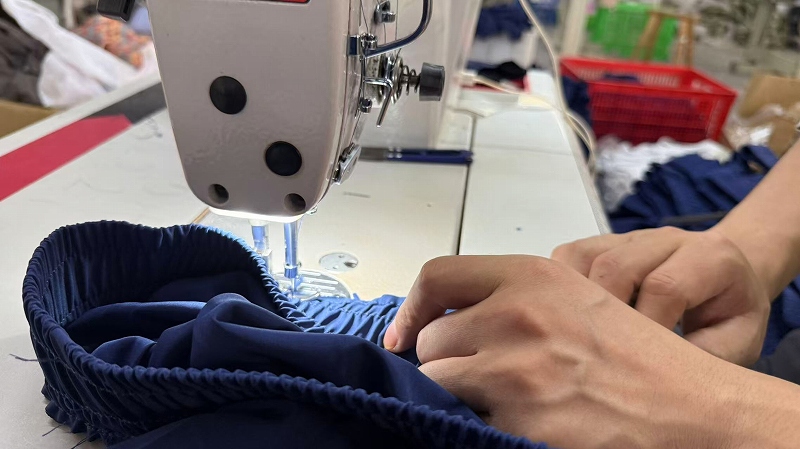
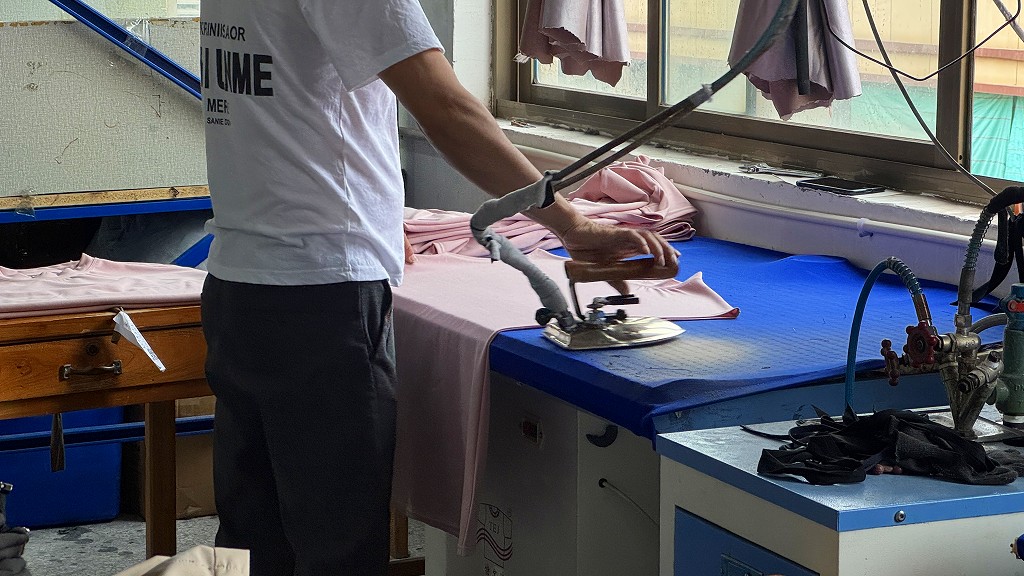
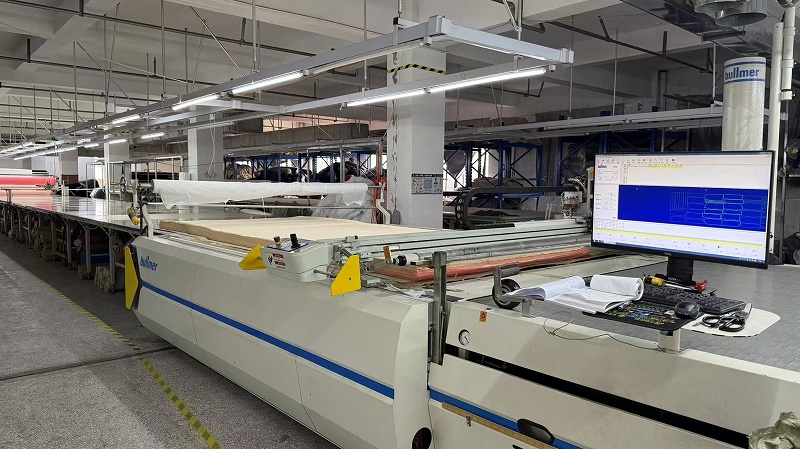
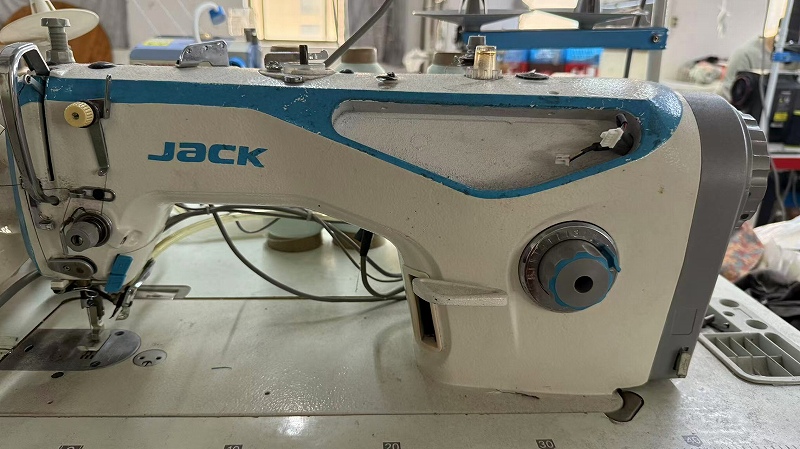
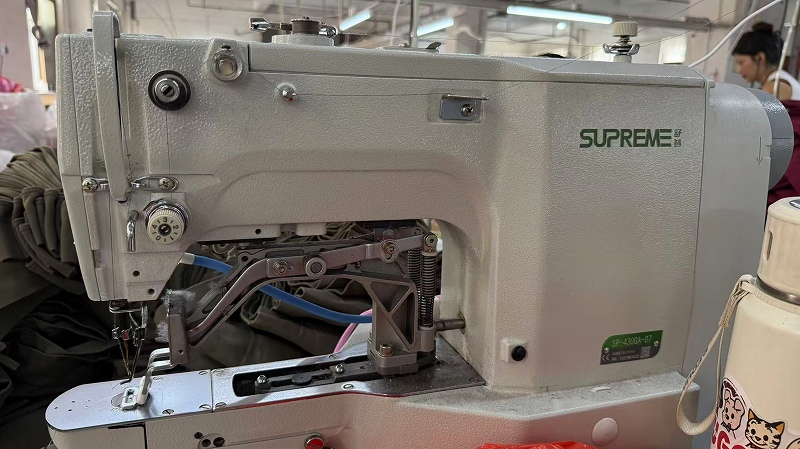
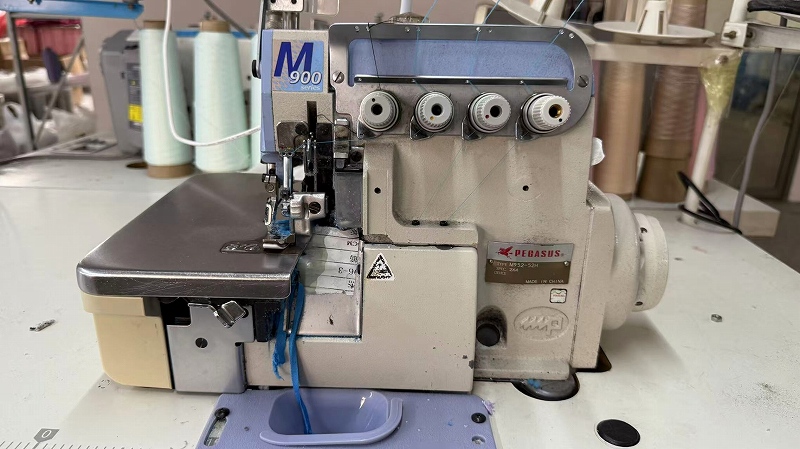
The process images below preserve the original production workflow structure: Raw Material, Cutting, Sewing, Ironing, QC Check, Packing, Warehouse, Cutting Machine, Automatic Cutting Machine, Sewing Machine, Bartack Machine and Over-lock Machine. Each step matters for tank tops because lightweight knit garments are sensitive to tension, stretch, seam stability and measurement tolerance. Automatic cutting supports repeatability; bartack and over-lock machines reinforce high-stress areas; QC and packing controls protect the final presentation. The result is a practical efficiency advantage: faster sampling feedback, clearer production planning and stronger consistency across repeat orders.
Whether a buyer represents a gym chain, a sports retailer, a marketplace seller or a multi-country distributor, the procurement checklist is increasingly similar: predictable quality, documented specifications, supply continuity and clear communication.
Approved fabric, color, measurement and decoration standards should be recorded and referenced in every production batch. This is especially important for core tank top colors that replenish season after season.
Buyers need organized tech packs, sample records, inspection notes, packing lists and shipment photos. Clear documentation reduces disputes and supports smoother customs and retail receiving workflows.
Multi-tier fabric and trim planning helps manage color shortages or peak-season pressure. Stock fabric options support launch testing, while dedicated bulk planning improves efficiency for repeat winners.
Woven labels, printed neck labels, hangtags, polybags and barcode tickets should match brand guidelines and marketplace requirements. Packaging is part of the product, not an afterthought.
Fabric weight, yarn type, seam construction, decoration method, packaging and order quantity all affect cost. A professional supplier explains cost drivers clearly so buyers can make informed trade-offs.
When issues arise, fast root-cause analysis matters: measurement deviation, shade variation, packing error or decoration stretch. A structured QC workflow protects long-term partnership value.
For Novosibirsk and the wider Siberian market, global procurement standards should be adapted rather than ignored. A “good” tank top is not merely one with an attractive sample. It is a garment that fits the target body range, survives washing and transport, carries correct labeling, packs efficiently and can be reordered without color or measurement drift. That is the practical meaning of reliability in this category.
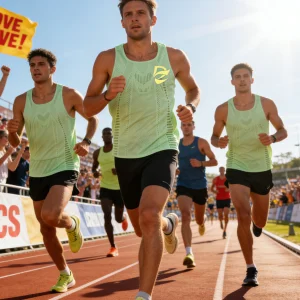
These four additional programs expand the assortment beyond the first group. They are useful for distributors and private-label brands that need breathable cotton basics, running performance, women’s ribbed wholesale styles and OEM/ODM built-in-bra constructions.



MOQ depends on fabric availability, color, size range, decoration and packaging. Stock fabric programs can support lower launch quantities, while custom-dyed fabrics and complex private-label builds are more efficient at larger volumes. Share your target quantity and tech pack for a precise recommendation.
We can coordinate label content and production data such as composition, care instructions, size information, country of origin and carton marks. Compliance requirements for EAEU markets should be confirmed per SKU and importer; where applicable, TR CU 017/2011 requirements and EAC marking should be reviewed before bulk production.
We plan cartons, polybags, labels and packing methods according to the shipment route. For long-distance rail or road transport, moisture control, carton strength, load planning and clear carton marks are important. Shipment photos and packing lists help buyers verify the load before dispatch.
Yes. We support OEM, ODM and private-label projects covering fabric selection, pattern making, sample development, logo decoration, labels, hangtags, polybags and bulk production. Buyers can start from an existing style or provide a reference sample and technical requirements.
For indoor training, breathable quick-dry knits, cotton-modal blends, rib knits and lightweight mesh are practical. For gym and streetwear, 230g–250g heavyweight cotton, cotton blends and relaxed-fit jersey are strong options. For layering under winter clothing, smooth, low-bulk fabrics with good shape recovery are usually preferred.
Send your target style, reference images, fabric preference, size range, logo artwork, packaging requirements and estimated quantity. Our team can review the brief, suggest suitable constructions and outline the sampling and production route. Use the “Send Inquiry Now” button to begin.
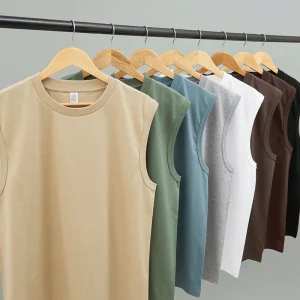
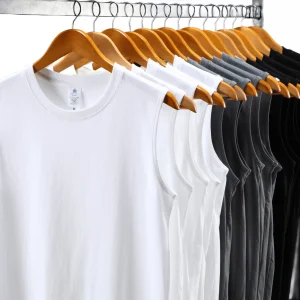
The final eight programs below complete the original tank top selection. They cover heavyweight gym basics, women’s breathable sleeveless tops, men’s quick-dry running singlets, modal sports tanks, minimalist women’s styles, private-label ribbed fitness tanks, wholesale muscle tanks and 230g heavyweight cotton gym tank tops.



From fabric development and sampling to bulk production, private-label packaging and export documentation, our team supports brands that need dependable OEM and ODM manufacturing in the global activewear market. Share your target styles, quantities and compliance requirements to receive a practical production recommendation.
Send Inquiry NowTank top manufacturing, private label activewear, OEM gym wear and export-focused supply chain support for Novosibirsk buyers and global brands.
 CGE Clothing