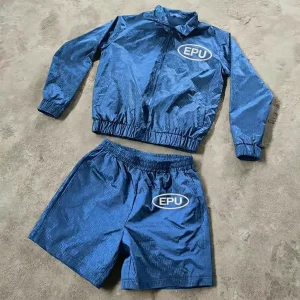
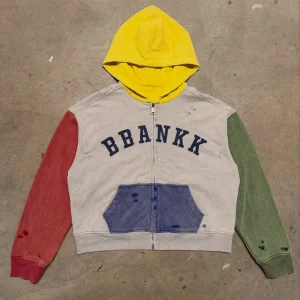
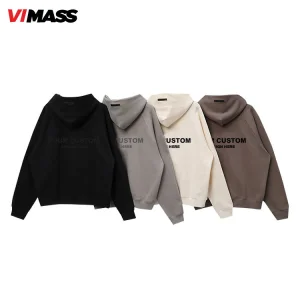
Engineered for urban athletic wear, Nagoya streetwear hubs, and active performance scenarios. Explore our flagship custom tracksuits designed with high-grade fabrication and bespoke fit aesthetics.
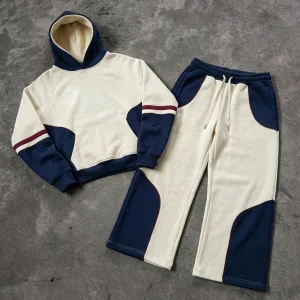
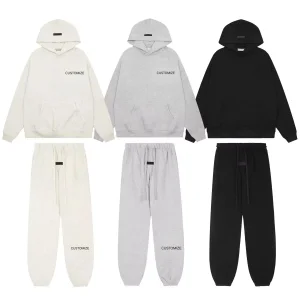
Nagoya, the capital of Japan’s Aichi Prefecture, stands as a massive economic hub in the Chubu region. Globally recognized for its heavy industrial roots, particularly automotive and aerospace manufacturing, Nagoya is currently undergoing a structural cultural shift. An emerging demographic of urban professionals, college students in districts like Showa-ku, and active commuters are blending high-performance sportswear into their daily wardrobes. Tracksuits, once confined strictly to school physical education or athletic club uniforms, have become standard apparel across Nagoya's premier shopping sectors, notably the historic Osu District and the high-end retail avenues of Sakae.
SEO Insight & Market Reality: Nagoya's geographical location—sandwiched between the Ibuki mountain range and the Pacific coast—results in severe winter winds (known locally as the *Ibuki Oroshi*). This climatic profile demands high-GSM (grams per square meter) fabrics, windproof exterior shells, and thermal insulation values that exceed standard Tokyo or Osaka urban fashion specs.
Apparel retailers and distributors in Nagoya require suppliers who understand the strict technical specifications of this market. Japanese consumers prioritize meticulous sewing tolerances, durable colorfastness under high-humidity conditions, and precise structural fits that align with Asian sizing standards. For Nagoya's private label brands, sourcing tracksuits from advanced manufacturers in Guangdong, China—where industrial cluster effects ensure fabric availability and rapid prototyping—has become the gold standard for maintaining a competitive edge.
The global tracksuit market is no longer driven solely by basic sportswear manufacturers. The industry is currently experiencing a convergence of high-end streetwear, technical outdoor performance wear, and sustainable material sciences. From the streets of Nagoya to London, consumers expect garment versatility: a tracksuit must transition seamlessly from a cold-weather morning run to a casual co-working space.
Key global factors influencing tracksuit production include:
At Guangdong CGE Clothing Co., Ltd., we approach tracksuit manufacturing as an engineering discipline. We have developed a proprietary technical roadmap to satisfy the meticulous demands of Nagoya's retail chains. This involves selective blending of synthetic and natural fibers to target specific thermal and mechanical performance thresholds:
Utilizing high-density French Terry and double-sided fleece structures designed to trap air currents, providing warmth against the harsh Ibuki Oroshi winter winds of central Japan.
Integrating hydrophobic polyester backing filaments with hydrophilic outer cotton fibers, pulling perspiration away from the skin during intensive activities.
Preshrunk processes combined with eco-friendly reactive dyeing methodologies guarantee color fastness scores of Grade 4.5+ under testing methods equivalent to JIS L-0844.
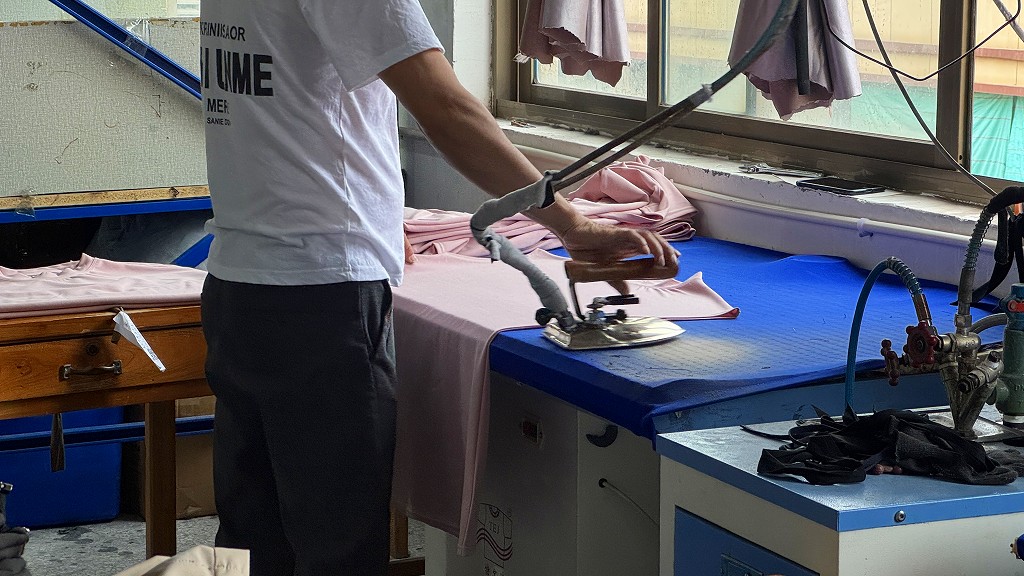
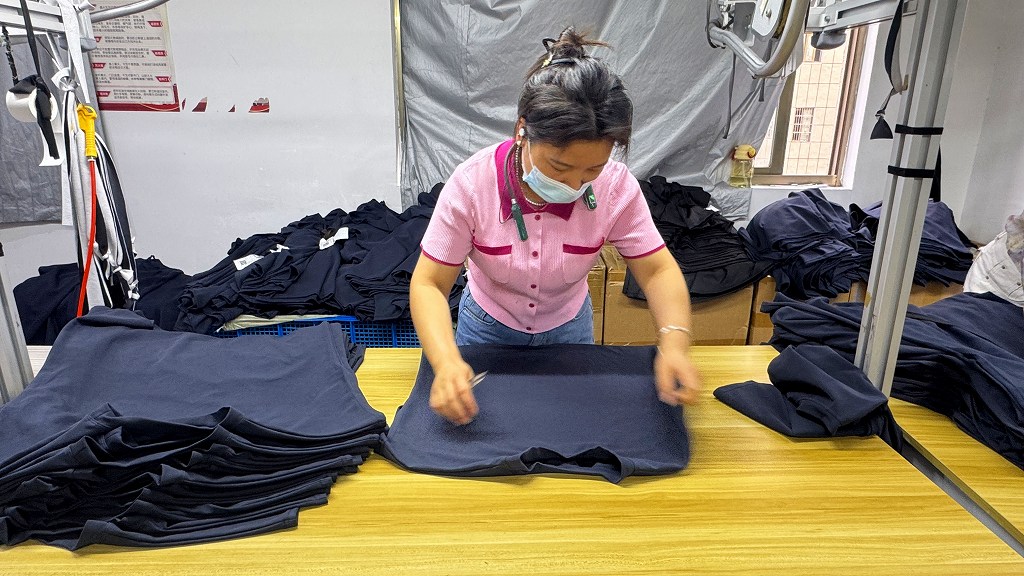
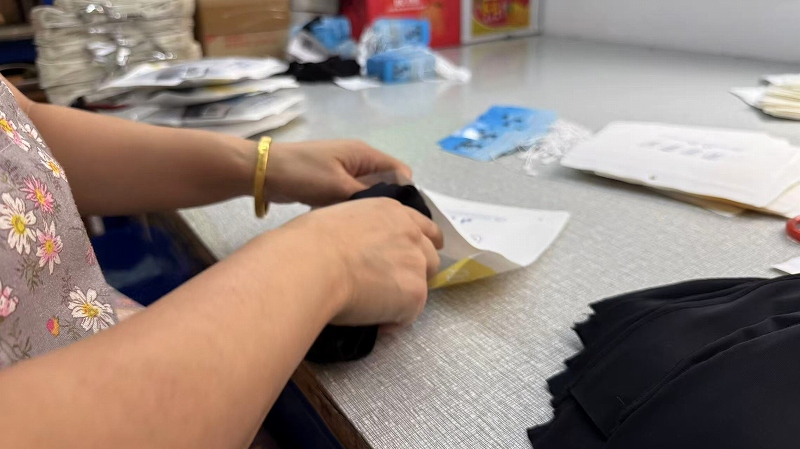
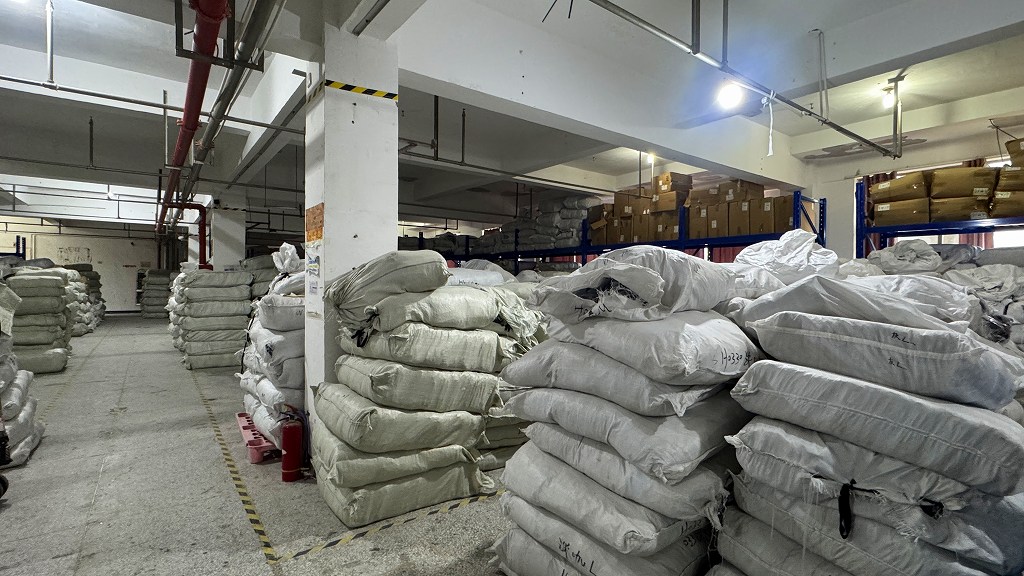
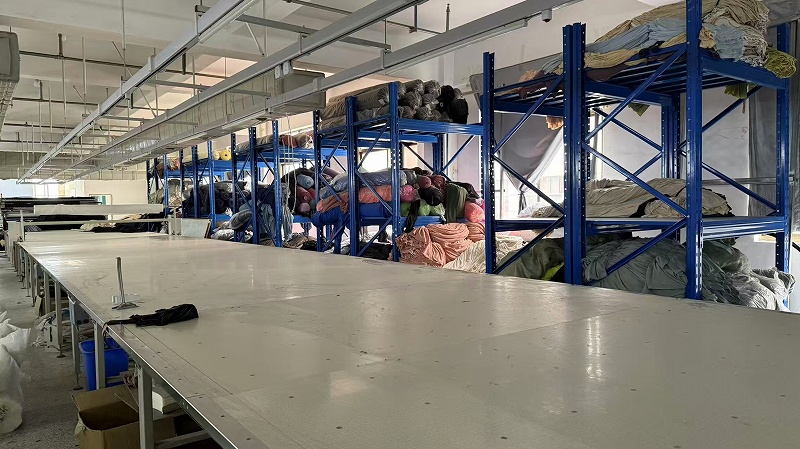
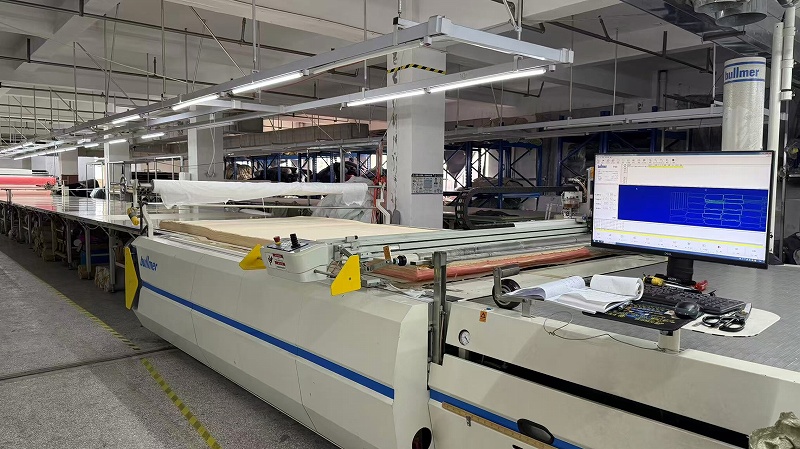
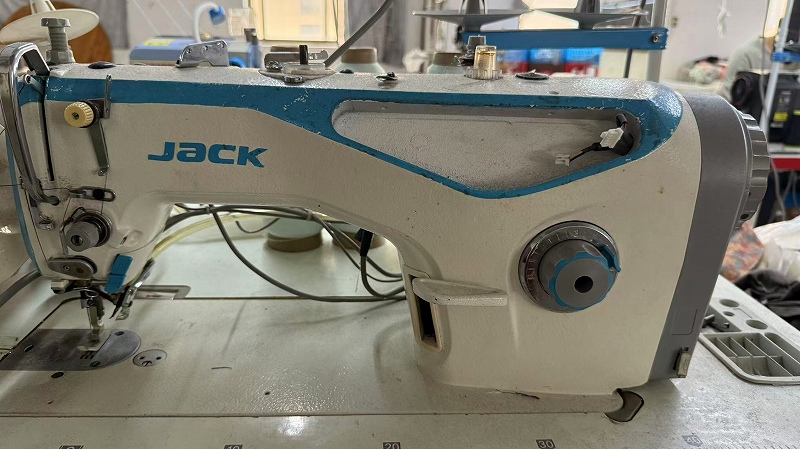
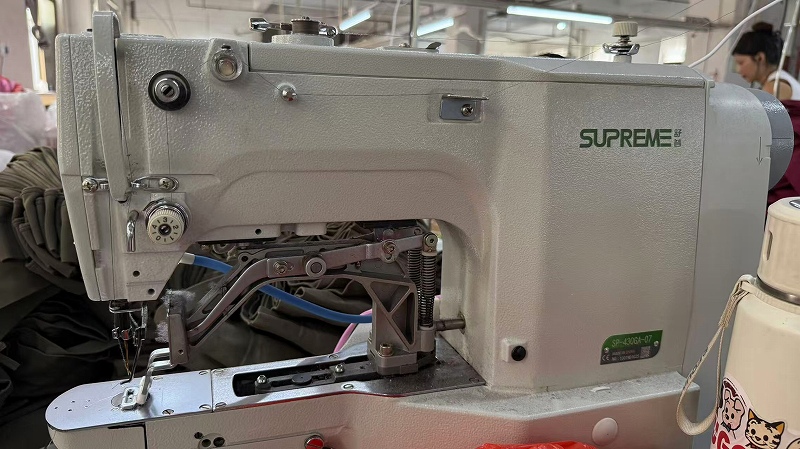
Every tracksuit we supply to the Nagoya market is produced inside our state-of-the-art facility in Guangdong. Our production line integrates automated precision machinery with rigorous quality control workflows to ensure flawless execution.
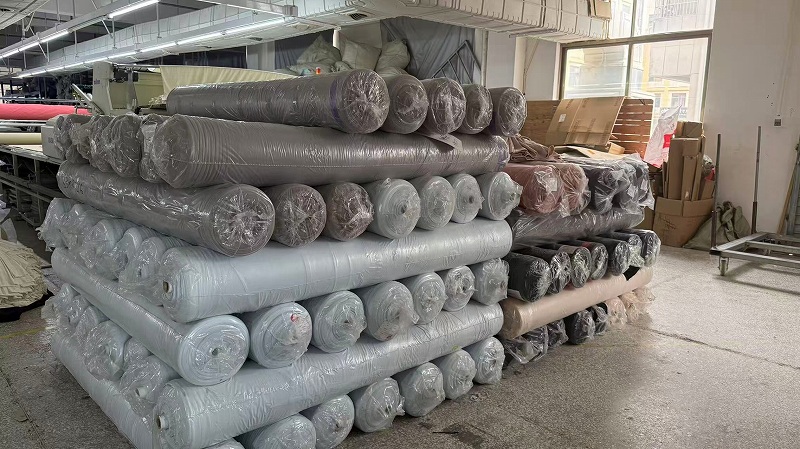
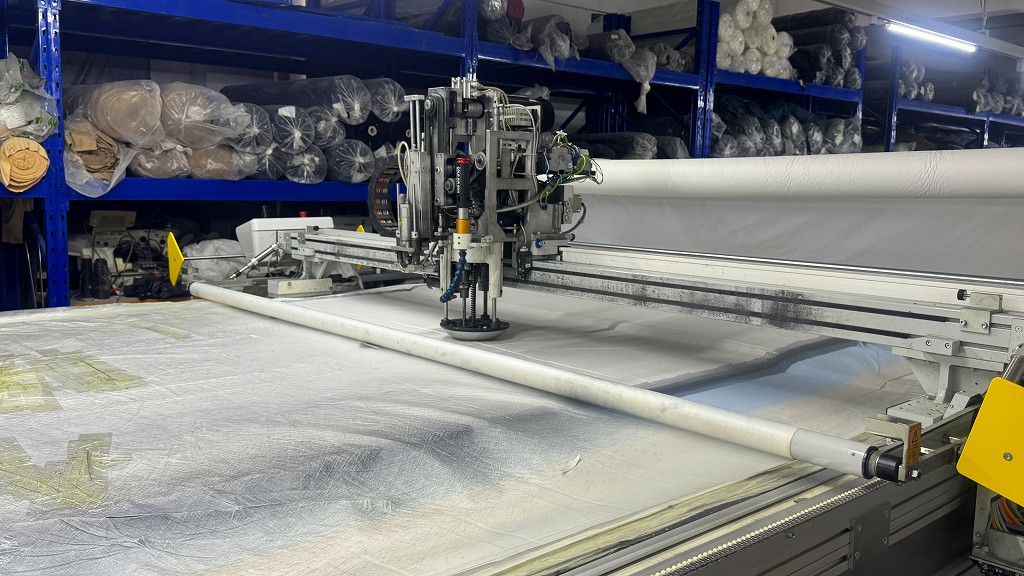
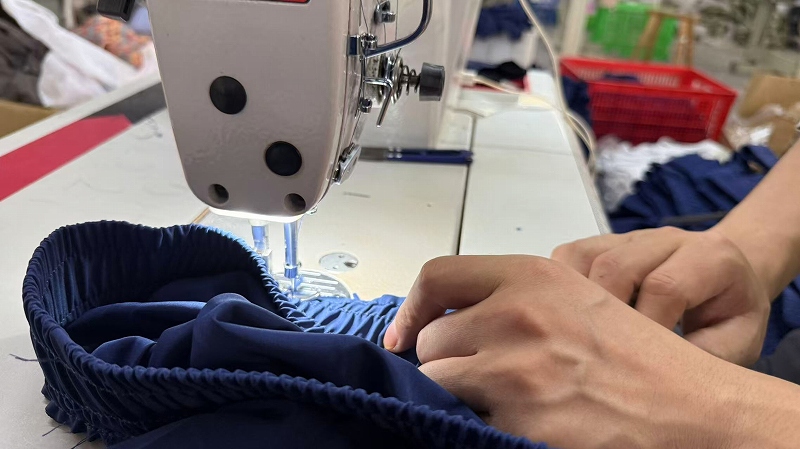
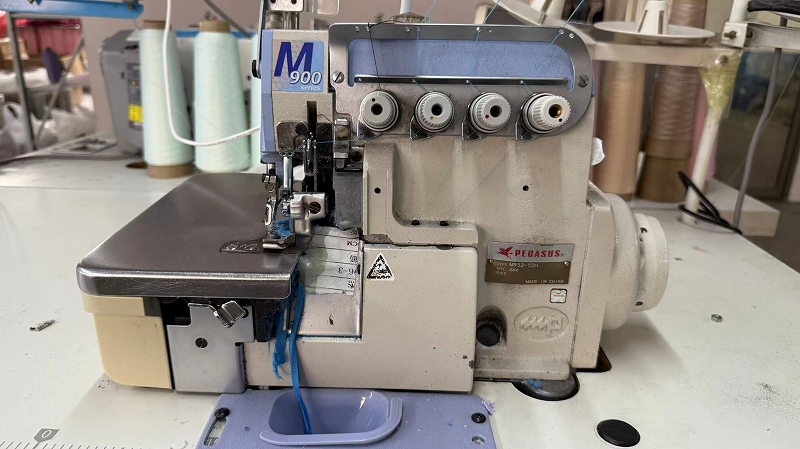
To design products that resonate with end-consumers in Nagoya, we categorize our manufacturing outputs into distinct use-cases matching the urban lifestyle of the Chubu region:
For outdoor workouts along the hills of Higashiyama, tracksuits require lightweight thermal regulating linings and reflective safety tapes to protect athletes during night runs.
The streetwear epicenters demand heavy 100% cotton constructions, baggy silhouettes, drop-shoulders, and vintage acid wash finishes that project a rugged, curated aesthetic.
Commuting on the Meitetsu or Subway lines requires wrinkle-resistant fabrics, ergonomic zip-pockets for electronics, and quick-dry characteristics to manage temperature changes.
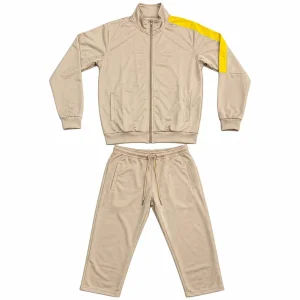
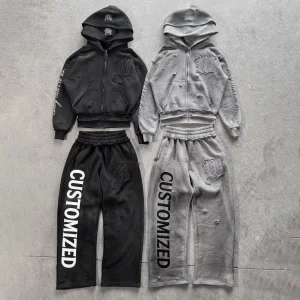
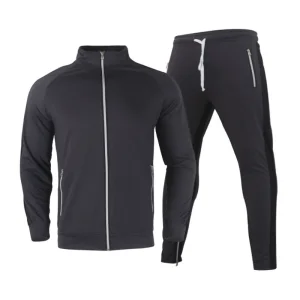
These models showcase our diverse production capabilities, ranging from reflective jogging gear to rhinestone patterns and heavy sun-faded street garments.
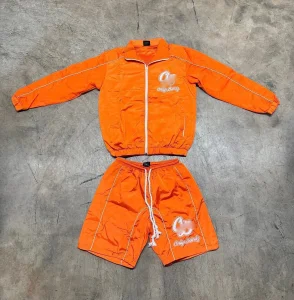
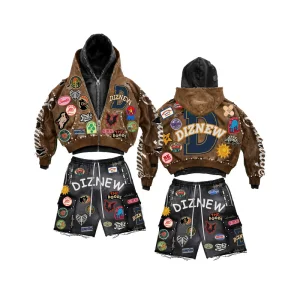
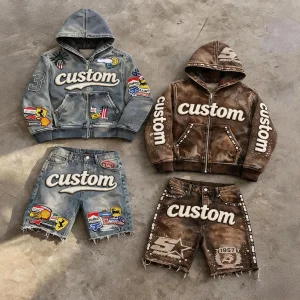
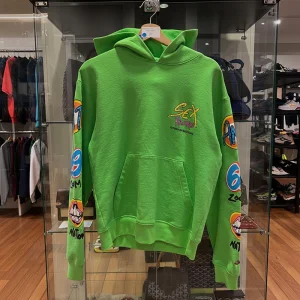
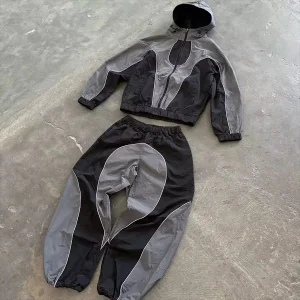
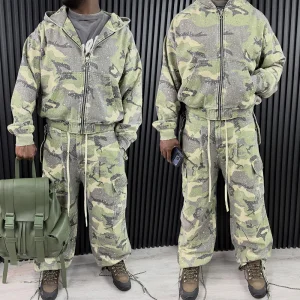
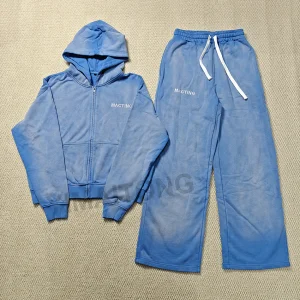
Sourcing tracksuits internationally requires robust logistics management. We operate streamlined shipping pipelines directly from Guangdong to the Port of Nagoya and Chubu Centrair International Airport. Because Japanese customs authorities (Zeikan) strictly inspect textiles for compliance with household goods labeling regulations, our export team coordinates all paperwork, ensuring clear fiber compositions and origin tracking.
Logistics Advisory: Shipments routing through the Port of Nagoya generally clear customs within 48 hours when supported by our pre-filed Japanese-compliant bills of lading and commercial invoices. Airfreight options are routed via Shenzhen or Hong Kong directly into Centrair (NGO), offering rapid replenishment cycles during peak seasonal shifts.
Furthermore, we offer specialized DDP (Delivered Duty Paid) options. This handles all local Japanese customs tariffs and consumption taxes on behalf of our clients, delivering product directly to warehouses in Nagoya, Ichinomiya, or Toyohashi without administrative friction.
Get professional answers to your production, customization, and logistical questions regarding Nagoya tracksuit supply chains.
Elevate your retail collection with high-end tracksuits tailored for the Nagoya market. Get in touch with our design and engineering team today.
Send Inquiry Now CGE Clothing